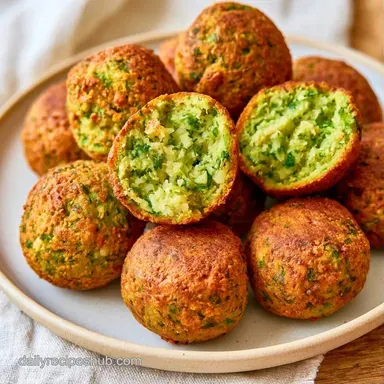
Crispy Falafel Lunchbox
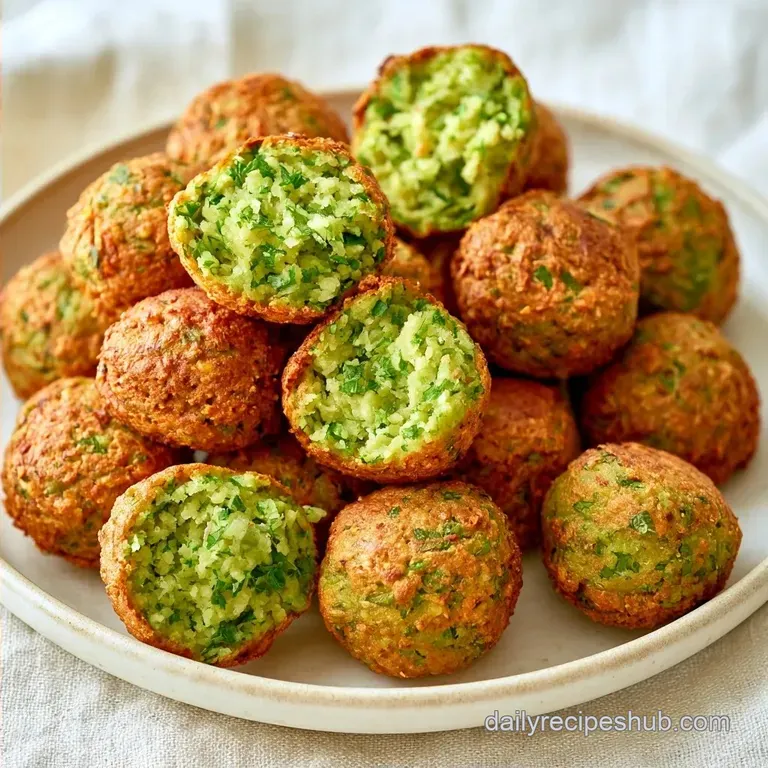
- Time: 25 min active + 25 min cooking
- Flavor/Texture Hook: Deeply toasted exterior with a zesty tahini drizzle
- Perfect for: Healthy school lunchbox recipes or weekday office meal prep
You know that feeling when you buy a "healthy" Mediterranean bowl and the falafel tastes like wet cardboard? It happens because most places over process the beans into a paste or under cook the center.
I used to deal with the same thing at home, ending up with rubbery balls that fell apart the second they touched the pan.
The fix is actually simple. You have to stop the food processor before the mixture looks smooth. You want a coarse, pebbly meal. That's how you get the crunch and the right bite.
This Falafel Lunchbox approach solves the soggy bottom problem by layering the components strategically. Instead of a sad wrap that turns into a sponge by noon, we're building a structured box. This ensures your Falafel Lunchbox stays fresh and the textures remain distinct until you're ready to eat.
Easy Falafel Lunchbox Meal Prep
Right then, let's look at the logistics. We're aiming for a balance of protein, healthy fats, and fresh crunch. This isn't a fancy restaurant plate, it's a fuel focused meal designed to keep you full without that 3 PM slump.
The timing is tight. We've got 25 minutes for the prep and another 25 for the cooking. If you're using an air fryer, you can actually use that time to chop your cucumbers and tomatoes.
| Method | Time | Texture | Best For |
|---|---|---|---|
| Pan Fry | 25 min | Deep crunch | Maximum flavor |
| Air Fry | 25 min | Lighter crisp | Healthier prep |
- For a firmer set
- chill the mixture 30 minutes before frying.
- For a softer bite
- increase the olive oil in the mix by 1 tsp.
- For extra zing
- add 1 tsp of sumac to the chickpea blend.
Why These Methods Work
Coarse Texture: Pulsing the chickpeas instead of blending them prevents the mixture from becoming a gluey paste. This creates air pockets that allow the heat to penetrate the center quickly.
Tighter Binding: Adding a small amount of flour absorbs excess moisture from the canned beans. This keeps the balls from expanding and cracking when they hit the hot oil.
Acidity Balance: The lemon juice in the tahini cuts through the richness of the fried chickpeas and hummus. It wakes up the earthy tones of the cumin and coriander.
The Main Components
Canned chickpeas are a huge time saver, but you must pat them completely dry. According to Serious Eats, eliminating surface moisture is essential to prevent the dough from becoming gummy.
The fresh greens provide the vibrant color. Don't discard the stems of the parsley and cilantro; they contain a lot of punchy flavor and help maintain the falafel's structure.
The Base Mix
- 1 can (15 oz / 425g) chickpeas, drained and patted dryWhy this? Provides the protein and structure
- 1/2 cup (60g) fresh parsley, stems includedWhy this? Adds brightness and color
- 1/2 cup (30g) fresh cilantro, stems includedWhy this? Essential earthy aroma
- 1 small (100g) yellow onion, roughly choppedWhy this? Sweetness and moisture
- 3 cloves (15g) garlic, mincedWhy this? Sharp flavor contrast
- 1 tbsp (6g) ground cuminWhy this? Classic warm spice
- 1 tsp (2g) ground corianderWhy this? Citrusy top note
- 1/2 tsp (3g) saltWhy this? Magnifies the savory notes
- 1/4 tsp (1g) black pepperWhy this? Subtle heat
- 2 tbsp (16g) all purpose flourWhy this? Binds the mixture
- 2 tbsp (30ml) olive oilWhy this? For frying
Tahini Drizzle
- 1/4 cup (60ml) tahiniWhy this? Creamy, nutty base
- 2 tbsp (30ml) fresh lemon juiceWhy this? Cuts the richness
- 1 tbsp (15ml) maple syrupWhy this? Balances the bitter tahini
- 1 clove (5g) garlic, gratedWhy this? Pungent kick
- 3 tbsp (45ml) warm waterWhy this? Thins the sauce
Lunchbox Fillers
- 2 cups (60g) baby arugula
- 1 cup (150g) cherry tomatoes, halved
- 1 cup (150g) Persian cucumbers, diced
- 1/4 cup (40g) pickled red onions
- 1/2 cup (125g) hummus
- 1/4 cup (40g) Kalamata olives, pitted
- 1 cup (185g) cooked quinoa
| Original Ingredient | Substitute | Why It Works |
|---|---|---|
| All purpose flour | Chickpea flour | Same flavor profile. Note: Makes it gluten-free |
| Maple syrup | Honey | Similar sweetness. Note: Not vegan |
| Arugula | Baby spinach | Similar mild bitterness. Note: Less peppery |
| Quinoa | Brown rice | Hearty grain. Note: Slightly chewier texture |
Necessary Kitchen Tools
A professional kitchen isn't required for this Falafel Lunchbox, but a food processor is essential. Attempting to mince chickpeas into a coarse meal by hand is a tedious process that takes far too long.
I recommend using a heavy bottomed stainless steel skillet for frying. It retains heat more effectively than non-stick pans, preventing the oil temperature from dipping when you add the falafel, which guarantees a consistent mahogany crust.
For the sauce, a glass bowl and small whisk are ideal. A handheld milk frother also works well to get the tahini perfectly smooth.
Step-by-step Cooking Guide
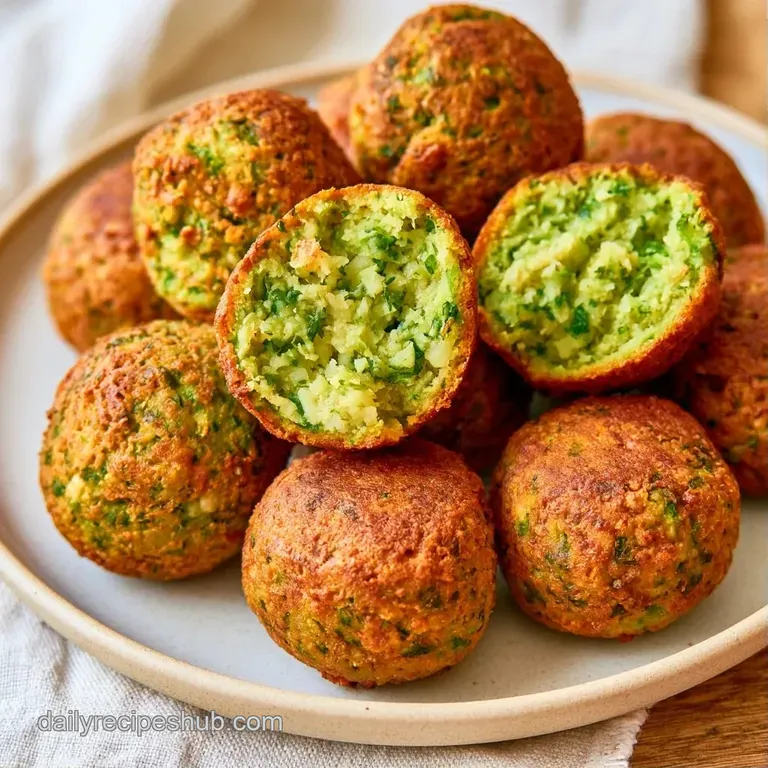
Let's get into the flow. I like to organize my station first. Get your chopped veggies and quinoa ready before you even touch the food processor. This keeps the kitchen from feeling chaotic.
Phase 1: Crafting the Falafel Base
Toss the chickpeas, onion, garlic, parsley, cilantro, cumin, coriander, salt, and pepper into the food processor. Pulse in short bursts until the mixture looks like coarse sand. Do not let it turn into a paste. Stop as soon as the chunks are small but still visible.
Stir in the flour with a spoon until just combined.
Phase 2: Achieving the Golden Crunch
Scoop about two tablespoons of the mix and roll it into 1 inch balls. Heat the olive oil in your skillet over medium heat. Drop the balls in and fry for 2-3 minutes per side until the exterior is deep mahogany colored.
If you're using an air fryer, set it to 375°F (190°C) and cook for 12-15 minutes, shaking the basket halfway through.
Phase 3: Emulsifying the Sauce
Whisk the tahini, lemon juice, maple syrup, and grated garlic together in a bowl. It will look thick and clumpy at first. Slowly drip in the warm water, whisking constantly, until the sauce becomes a velvety, pourable cream.
Phase 4: Strategic Box Assembly
Grab your containers. Start by layering the cooked quinoa or baby arugula at the bottom. This creates a bed for the other ingredients. Place the falafel balls on one side, then add dollops of hummus. Fill the remaining gaps with cucumbers, tomatoes, and olives. Top it off with pickled onions.
Store the tahini sauce in a small separate jar to keep the Falafel Lunchbox from getting soggy.
Chef's Note: If you're making a smashed falafel wrap instead of a box, just flatten two falafel balls onto a tortilla and top with the same ingredients.
Avoiding Cooking Fails
When I first started making this Falafel Lunchbox, my balls would either explode in the pan or taste like raw beans. It usually comes down to the moisture level. Canned chickpeas hold a lot of water. If you don't dry them, that water turns to steam inside the ball, which pushes the sides out and causes a blowout.
Another common issue is the texture. If you over process, the starch breaks down too much, and you get a dense, gummy interior. Keep those pulses short.
Fixing Crumbling Falafel
If the mix feels too wet to hold a shape, stir in one more tablespoon of flour. This absorbs the extra moisture and gives the balls more grip.
Preventing Soggy Greens
Never put the dressing on the arugula or quinoa before storing. The acid in the lemon juice breaks down the cell walls of the greens, turning them into slime within hours.
Handling Sauce Separation
Tahini can separate in the fridge. Just give the jar a hard shake or a quick whisk with a teaspoon of warm water to bring it back together.
| Problem | Fix |
|---|---|
| Falafel falls apart | Add 1 tbsp flour or chill mix for 30 mins |
| Interior is raw | Lower heat and fry for 1 min longer per side |
| Sauce is too thick | Whisk in warm water 1 tsp at a time |
| Greasy exterior | Pat fried balls with a paper towel immediately |
Swaps and Tweaks
The beauty of a Falafel Lunchbox is how easily you can pivot the flavors. If you're bored of the classic Mediterranean vibe, you can shift the spice profile.
For a high protein power box, double the quinoa and add a scoop of hemp seeds over the top. This keeps you full for longer, which is great for long workdays.
For a budget friendly twist, skip the Kalamata olives and use diced carrots or shredded cabbage. Cabbage adds a great crunch and costs a fraction of the price of imported olives.
If you want a gluten-free alternative, the chickpea flour swap mentioned in the ingredients table is the way to go. It actually adds a bit more nuttiness to the flavor.
For a smashed falafel wrap lunch recipe, use a large whole wheat wrap. Spread a thick layer of hummus, add the falafels, and press them down with a fork before adding the veggies. This makes it easier to eat on the go.
Storage and Freshness
To keep your Falafel Lunchbox tasting fresh, you have to be smart about the order of operations. Store the components in a glass container if possible, as plastic can sometimes hold onto the smell of garlic and cumin.
The falafel balls stay good in the fridge for 4 days. The chopped vegetables, however, only last about 3 days before the cucumbers start to release too much water. I suggest chopping the veggies every two days to keep the crunch.
For freezing, let the falafel cool completely on a wire rack. Freeze them on a baking sheet for an hour before transferring them to a freezer bag. This stops them from sticking together in one giant clump. They'll last for 2 months.
Regarding zero waste, don't throw away the chickpea liquid (aquafaba) from the can. You can whisk it into a vegan meringue or use it as a binder in other veggie burgers. It's a great way to make sure nothing goes to waste.
To reheat, avoid the microwave. It makes the falafel rubbery. Instead, toss them in a toaster oven or air fryer at 350°F for 5 minutes. This restores the crispiness.
Best Serving Ideas
If you're looking for falafel lunch box ideas, don't just stick to the bowl. You can turn these into "falafel sliders" by using small pita pockets. Stuff the pita with a smear of hummus, a falafel ball, and a slice of cucumber.
For healthy school lunchbox recipes, I recommend cutting the falafel into halves. It makes them easier for kids to eat and allows the tahini sauce to soak into the center.
You can also try a Falafel Lunchbox homemade platter for a family dinner. Spread everything out on a large wooden board and let everyone build their own plates. It's a low stress way to serve a crowd.
If you're craving something different, try the smashed falafel wrap. Spread the hummus on a wrap, add the falafel, and then add pickled red onions and arugula. Roll it tight and toast the wrap in a dry pan for 2 minutes to get a golden exterior.
For more nutrition data on the base ingredients like chickpeas and quinoa, check USDA FoodData Central.
What Nobody Tells You
Many believe that authentic falafel requires soaking dried chickpeas overnight. Although traditional, canned chickpeas are an excellent alternative for a Falafel Lunchbox, provided you pat them dry. For a mid-week meal, the flavor difference is barely noticeable.
It's also often claimed that searing falafel "locks in the moisture." In truth, evaporation occurs regardless of the searing method. That deep brown exterior is actually the result of the Maillard reaction the chemical bond between sugars and amino acids.
This process is what generates the savory, roasted flavors found in professional cooking.
The overall harmony of the Falafel Lunchbox relies on a balance of acids. The lemon in the tahini and the vinegar in the pickled onions are essential; without them, the hummus and chickpeas would taste overly dense. This acidity cuts through the richness, leaving the meal feeling fresh and vibrant.
Be sure to include the maple syrup in the sauce. Rather than adding sweetness, its purpose is to counteract the natural bitterness of raw tahini. This minor tweak significantly elevates the overall flavor profile.
Now you are fully prepared to master this Falafel Lunchbox. It is a dependable, hearty meal that far surpasses any takeout. Ditch the sad, soggy lunches and start prepping these instead to keep your afternoon energy high.
Recipe FAQs
Is it true that falafels are unhealthy since they are fried?
No, and here's why. They are packed with plant based protein and herbs, and air frying them at 375°F (190°C) for 12-15 minutes significantly reduces the oil content.
Do these lunchboxes stay fresh in the refrigerator?
Four days for the falafel. The chopped cucumbers and tomatoes generally last about 3 days before they lose their crunch.
How to assemble the lunchbox for maximum freshness?
Layer quinoa or arugula at the bottom. Add the falafel, hummus, cucumbers, tomatoes, and olives, then finish with pickled red onions and store the tahini sauce separately.
Which ingredients make the best side pairings?
Persian cucumbers, cherry tomatoes, and Kalamata olives. These add a fresh, salty contrast to the savory, mahogany colored falafel balls.
Why does my stomach feel bloated after eating falafel?
Chickpeas contain complex carbohydrates and fiber. This can cause gas for some people, though draining and patting the chickpeas dry before cooking can help.
Falafel Lunchbox Meal Prep