Olive Oil Muffins for Breakfast
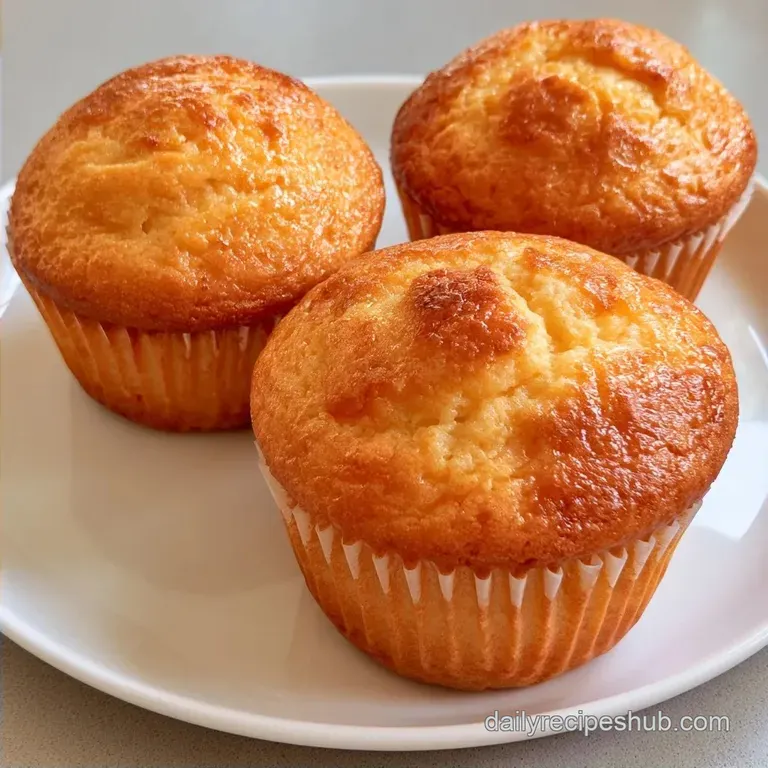
- Time: 10 mins prep | 20 mins oven
- Key Highlights: Tender, zesty, and featuring deep mahogany tops
- Best for: Relaxed Sunday mornings or easy school-day lunches
Picture a drizzly Saturday morning, the house is peaceful, and you can take your time sipping a fresh pot of coffee. There is something wonderful about baking a warm batch of muffins that perfumes the air with notes of lemon and toasted grain.
It’s the sort of cozy experience that encourages the entire weekend to slow down.
While butter is the go-to for richness, oil provides a more reliable moisture level. These Olive Oil Muffins avoid that firm, cold texture often found in refrigerated baked goods. Instead, they remain tender and springy, offering a lightness reminiscent of a pound cake.
Enjoy them as they are or stir in a few fresh berries. Because the base is so well-balanced, it complements various additions perfectly. This is the type of dependable recipe you keep on a well-worn index card because the results are flawless every time.
Why These Stay So Moist
- Liquid Fat: Olive oil stays liquid at room temperature, unlike butter. This means the fat coats the flour more evenly and doesn't solidify, which keeps the crumb tender.
- Acid Balance: The lemon juice reacts with the baking powder to create extra lift. It also cuts through the richness of the oil so the taste stays bright.
The beauty of this method is that you don't have to cream butter and sugar for ten minutes. You just whisk and pour.
| Method | Time | Texture | Best For |
|---|---|---|---|
| Fast (This Recipe) | 30 mins | Light and airy | Weekday breakfast |
| Classic Butter | 60 mins | Dense and rich | Holiday dessert |
The Quick Facts
Right then, here is the basic breakdown of the process. I've focused on using pantry staples so you don't have to run to the store.
- 1. Oven Temp
- Exactly 375°F (190°C).
- 2. Bake Time
- 20 minutes (check at 18).
- 3. Batter Weight
- Roughly 45-50g per muffin cup.
| Goal | What to change |
|---|---|
| More zest | Add 1 tsp orange zest |
| Nuttier taste | Swap AP flour for 25% whole wheat |
| Extra sweetness | Add 2 tbsp honey to wet mix |
Shopping List Breakdown
A mild extra virgin olive oil is my preferred choice here. Be cautious of very "peppery" oils, as they may compete with the sugar. If you prefer a neutral taste, refined olive oil is a great alternative.
| Ingredient | Role | If You Don't Have It |
|---|---|---|
| All purpose flour | Structure | White whole wheat (results in a denser cake) |
| Extra virgin olive oil | Moisture | Canola oil (milder flavor) |
| Whole milk | Hydration | Greek yogurt (creates a thicker crumb) |
| Lemon juice | Lift & Tang | Apple cider vinegar |
The full list: 2 cups (250g) all purpose flour 3/4 cup (150g) granulated sugar 2 tsp (10g) baking powder 1/2 tsp (3g) sea salt 1/2 cup (120ml) extra virgin olive oil Why this? Adds a fruity nuance and keeps the texture moist. 2 large eggs 3/4 cup (180ml) whole milk 1 tsp
(5ml) vanilla extract 1 tbsp (15ml) fresh lemon juice Why this? Triggers the baking powder to help the cake rise.
The Gear I Use
Expensive gear like a KitchenAid isn't necessary. A simple whisk and a couple of bowls will work perfectly.
- 12-cup muffin tin
- Paper liners (to stop sticking)
- Large mixing bowl
- Medium jug or bowl for wet ingredients
- Rubber spatula
Chef Note: Use a rubber spatula for the final fold. A whisk is too vigorous and may overwork the gluten, leading to tough muffins.
Let's Start Baking

Phase 1: The Dry Foundation
Get your oven preheated to 375°F (190°C). In a large mixing bowl, whisk the flour, sugar, baking powder, and salt until the mixture is free of large lumps.
Phase 2: The Wet Emulsion
In a separate jug, beat together the olive oil, eggs, milk, vanilla, and lemon juice. Whisk briskly until the mixture turns pale and the oil is thoroughly combined.
Phase 3: The Gentle Combine
Stir the wet ingredients into the dry bowl. Use a rubber spatula to fold the batter using a "cut and stir" method, stopping the moment the last traces of flour disappear.
Phase 4: The Golden Bake
Spoon the batter evenly into 12 lined muffin cups. Bake for 18–22 minutes until the tops are a mahogany hue and the edges pull slightly away from the liners. They should feel springy to the touch.
Fixing Common Issues
If your muffins aren't perfect, it's likely a result of temperature or mixing. I remember over-mixing a batch once, and they ended up as dense as golf balls.
Fixing a Sunk Center
This often occurs when the baking powder has expired or the oven is peeked into too soon. Avoid opening the door before the 18 minute mark.
Dealing with Oily Tops
This is typically a sign that the oil didn't fully emulsify with the milk and eggs. Be sure to whisk the wet ingredients until they form a single, uniform liquid.
Stopping Tough Crumbs
Excessive mixing creates too much gluten. To avoid this, the batter should remain slightly lumpy before it enters the oven.
| Problem | Fix |
|---|---|
| Sunk middle | Check baking powder date |
| Oily surface | Whisk wet ingredients longer |
| Tough texture | Mix until just combined |
Ways to Serve Them
These Olive Oil Muffins are wonderful on their own, but they can be easily elevated. If you're serving them for brunch, try topping them with salted butter or lemon curd.
For a savory contrast, I occasionally pair these with pesto egg muffins to create a complete breakfast spread. The sweetness of the olive oil base complements the salty pesto perfectly.
To make them more elegant, dust the tops with powdered sugar and serve them with fresh raspberries. They are also delicious when toasted for 2 minutes in a buttered skillet.
Storage & Reheating
Store these in an airtight container at room temperature for up to 3 days. Because of the oil, they don't dry out as fast as butter based cakes.
For longer storage, you can keep them in the fridge for 5 days or freeze them for 2 months. Just wrap them individually in foil before putting them in a freezer bag.
To reheat, pop them in the microwave for 15 seconds. If you have the time, a 325°F oven for 5 minutes brings back that bakery style crust.
Zero Waste Tip: If you have a few left that are getting stale, crumble them into a bowl, add a splash of milk and a pinch of cinnamon, and sauté them in a pan for a quick "muffin bread pudding."
Dietary Adaptations
This base is very flexible. If you're looking for something more nutrient dense, you can try making vegetable egg muffins alongside these for a balanced meal.
For Blueberry Olive Oil Muffins
Fold in 1 cup of fresh blueberries at the very end. Toss the berries in a teaspoon of flour first so they don't sink to the bottom.
For Lemon Olive Oil Muffins
Add the zest of one full lemon to the sugar before mixing. This intensifies the citrus aroma without adding too much liquid.
For Vegan Needs
Swap the milk for soy milk and the eggs for a "flax egg" (1 tbsp ground flax + 3 tbsp water per egg). Note that the rise will be slightly less, and the texture will be denser.
For Chocolate Olive Oil Muffins
Replace 1/4 cup of the flour with high-quality cocoa powder and add 1/2 cup of dark chocolate chips.
Adjusting the Batch Size:
- Making Half: Use 1 cup flour, 6 tbsp sugar, and 1 tsp baking powder. Beat one egg in a cup and use only half. Reduce bake time by about 20%.
- Making Double: Use two separate bowls for the wet ingredients to ensure a good emulsion. Lower the oven temp to 350°F and extend the bake time by 5-10 minutes to ensure the centers cook through.
Busting Baking Myths
There's a common idea that olive oil makes everything taste like a salad. That's only true if you use an overly pungent, unfiltered oil. A mild extra virgin oil provides a buttery, fruity note that actually enhances the sugar.
Another myth is that you need to sift flour for muffins. While sifting helps with cakes, a good whisking of the dry ingredients is enough here. The lumps in the batter are actually what help create that classic muffin top.
Recipe FAQs
Can I use olive oil instead of vegetable oil in muffins?
Yes, it works as a direct 1:1 replacement.
Tip: Extra virgin olive oil adds a sophisticated, fruity note to the crumb.
What happens if I use oil instead of butter in muffins?
The muffins stay moister for longer and have a softer overall texture.
Tip: Oil-based cakes typically do not dry out as quickly at room temperature.
Is it true that only butter provides a moist crumb?
False. Oil creates a more consistent moisture level because it remains liquid at room temperature.
Tip: This makes these muffins ideal for packing in school or work lunches.
How to incorporate the oil without over-mixing?
Whisk the oil, eggs, milk, vanilla, and lemon juice vigorously in a separate container before adding to dry ingredients.
Tip: If you enjoyed mastering the folding technique here, see how the same gentleness is key in our egg muffin cups.
Would a strong-tasting olive oil work in this recipe?
It can, but it may overpower the delicate vanilla and lemon notes.
Tip: Use a "light" or refined olive oil for a more neutral flavor profile.
Olive Oil Muffins in 30 Minutes