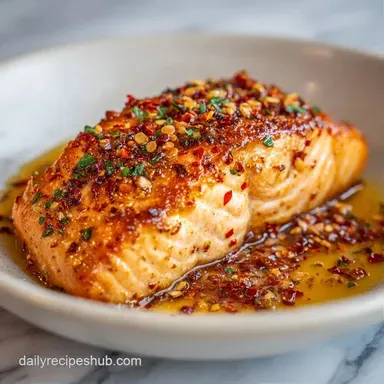
Sautéed Canned Salmon Recipe: Crispy and Golden
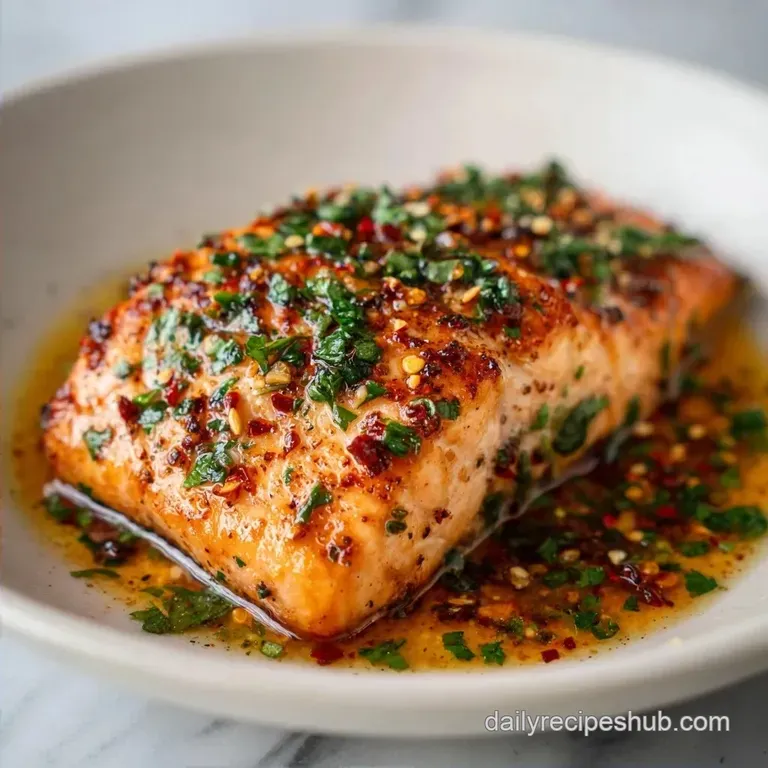
- Time: 10 min active + 10 min cook
- Flavor/Texture Hook: Deep golden brown crust with a zesty finish
- Perfect for: Fast weeknight dinners or high protein meal prep
The sound of the oil shimmering in the pan is where the magic starts. There is a specific, sharp sizzle that happens when the salmon hits the heat, and if you do it right, the aroma shifts from "canned" to "gourmet" in about three minutes.
Most people treat canned salmon like a salad ingredient, but when you sear it, you get something entirely different.
The real problem with most canned fish recipes is the texture. You often end up with a soggy, pale mass that tastes like the tin it came from. I've seen it happen a dozen times - people stir too much or use too little heat, and the fish just steams in its own juices.
It's disappointing and makes you want to go back to takeout.
This Sautéed Canned Salmon Recipe fixes that. We are going for a hard sear and a bright, acidic finish to cut through the richness. You'll get a chunky, flaky texture and a crust that actually has some bite to it. It's fast, it's honest food, and it doesn't require a fancy kitchen.
Sautéed Canned Salmon Recipe
To get this right, you have to stop thinking about the salmon as a "mash." If you overwork the fish in the bowl, you break down the proteins too much, and you'll never get that crispy edge. Keep the flakes large. When you drop them into the pan, leave them alone.
The patience you show in those first four minutes is what separates a mediocre meal from one that actually tastes like it came from a bistro.
I used to be skeptical of canned salmon, thinking it was just for cakes or spreads. But once I realized that a hot skillet and a bit of lemon juice could transform it, it became my go to for when I'm exhausted but still want something that feels like a real dinner.
It's a straightforward process, but the details - like the timing of the garlic - are what make it work.
The Secret To The Crust
The goal here is to maximize the surface area that touches the hot oil. When the salmon is drained properly and spread thin, the heat can evaporate the remaining moisture quickly, allowing the proteins to brown.
- Moisture Control
- Draining the salmon in a fine mesh strainer removes the brine and excess oil, preventing the fish from steaming.
- over High heat Searing
- Cooking at medium high heat creates a crust that locks in the flavor and adds a nutty taste.
- Acidic Deglazing
- Adding lemon juice at the very end lifts the browned bits from the pan and balances the fat.
- Late Garlic Addition
- Adding garlic after the sear prevents it from burning, which would make the whole dish bitter.
| Method | Time | Texture | Best For |
|---|---|---|---|
| Stovetop | 20 mins | Crispy/Flaky | Quick dinners |
| Oven | 35 mins | Soft/Even | Large batches |
Component Analysis
Understanding why these ingredients are here helps you make better choices if you're missing something in your pantry.
| Ingredient | Science Role | Pro Secret |
|---|---|---|
| Canned Salmon | Main Protein | Use "wild caught" for a cleaner, less oily taste |
| Lemon Juice | pH Balancer | Stir in at the end to keep the citrus flavor bright |
| Paprika | Color/Earthiness | Smoked paprika adds a "grilled" vibe without a grill |
| Olive Oil | Heat Transfer | Use a high smoke point oil to avoid a burnt taste |
Ingredient Breakdown
Gather everything before you turn on the stove. This recipe moves fast once the oil is hot, so you don't want to be chopping garlic while your salmon is burning.
- 2 cans (6 oz / 170g each) canned salmon, drained Why this? High protein, shelf stable, and easy to flake
- 2 tbsp olive oil Why this? Provides a clean base for searing
- 1/2 tsp kosher salt Why this? Draws out moisture for a better sear
- 1/4 tsp cracked black pepper Why this? Adds a sharp, woody heat
- 1/4 tsp paprika Why this? Gives a deep golden color and mild sweetness
- 3 cloves garlic, minced Why this? Provides a pungent, savory aromatic base
- 1 tbsp fresh lemon juice Why this? Cuts through the richness of the fish
- 1 tbsp fresh parsley, chopped Why this? Adds a fresh, grassy contrast
- 1 tsp lemon zest Why this? Concentrates the citrus oils for more punch
Substitution Ideas:
| Original Ingredient | Substitute | Why It Works |
|---|---|---|
| Olive Oil | Avocado Oil | Higher smoke point. Note: More neutral flavor |
| Fresh Parsley | Dried Dill | Classic salmon pairing. Note: Use 1/3 the amount |
| Lemon Juice | Apple Cider Vinegar | Similar acidity. Note: Adds a slight fruitiness |
| Paprika | Cumin | Earthy alternative. Note: Shifts the profile toward Mexican/Middle Eastern |
Essential Kitchen Tools
You don't need a professional setup for this. A simple, heavy bottomed skillet is your best friend here. Cast iron is a great choice because it holds heat better, which means the salmon won't drop the pan temperature when you add it.
I recommend a fine mesh strainer for draining the salmon. If you just pour the liquid out of the can, you're leaving behind enough moisture to make the fish soggy. A strainer lets you get it truly dry, which is the first step to a great crust. For flaking, a sturdy fork is all you need.
Don't use a masher - we want chunks, not paste.
Step by step Cooking
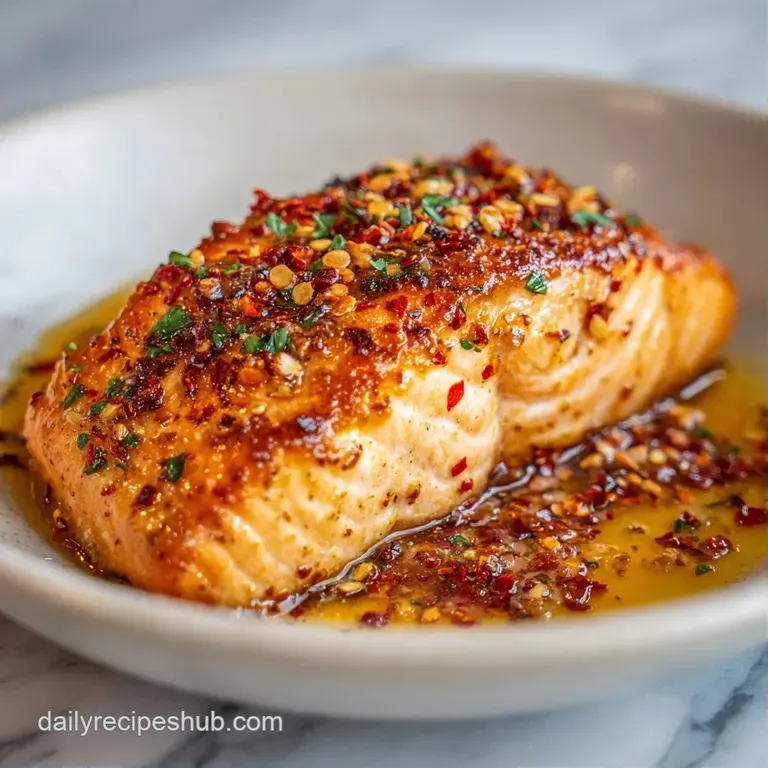
Right then, let's get into it. Follow these steps closely, and pay attention to the visual cues.
- Drain the salmon using a fine mesh strainer. Gently flake the fish with a fork in a bowl, avoiding over mixing to maintain a chunky texture. Note: Large flakes mean more crispy edges.
- Stir in the salt, pepper, and paprika until the salmon is evenly coated. Note: Seasoning early lets the salt penetrate the fish.
- Heat the olive oil in a skillet over medium high heat until it shimmers. Note: If the oil smokes, it's too hot; take it off for 30 seconds.
- Add the salmon in a thin, even layer and let it sit undisturbed for 3–4 minutes until a deep golden brown crust forms on the bottom.
- Flip the salmon carefully. Reduce the heat to medium. Note: Lowering the heat now prevents the garlic from scorching.
- Toss in the minced garlic and sauté for 60 seconds until it smells fragrant and turns pale gold.
- Turn off the heat and immediately stir in the lemon juice and lemon zest to deglaze the pan. Note: The sizzle you hear here is the flavor being locked in.
- Fold in the fresh parsley just before plating.
Solving Salmon Problems
The most common issue people have with this Sautéed Canned Salmon Recipe is the "stick" or the "mush." If your fish is sticking to the pan, you likely didn't let the oil get hot enough. The salmon needs to "sear" immediately, which creates a natural release from the metal.
Troubleshooting Common Issues
| Issue | Solution |
|---|---|
| Why Your Salmon Stays Mushy | This usually happens because of too much moisture or too much stirring. If you move the fish around during the first few minutes, you break the crust before it can form. |
| Why Your Garlic Tastes Bitter | Garlic burns quickly at the temperatures required to sear fish. If you add it at the start, it will be black and bitter by the time the salmon is done. |
| Why Your Fish Sticks | If the pan isn't hot enough, the proteins bond to the surface. Wait for the oil to shimmer. If you're unsure, drop a tiny piece of salmon in - if it doesn't sizzle instantly, wait another minute. |
Common Mistakes Checklist:
- ✓ Did you drain the salmon thoroughly?
- ✓ Did you avoid over mixing the flakes?
- ✓ Did you leave the salmon undisturbed for 3-4 minutes?
- ✓ Did you add the lemon juice AFTER turning off the heat?
- ✓ Did you use a medium high heat for the initial sear?
Customizing Your Dish
Once you've got the base down, you can take this in a few different directions. If you want something with more heat, I suggest adding a pinch of cayenne pepper or some red pepper flakes with the paprika. It gives the dish a back end warmth that works great with the lemon.
For those following a low carb or keto lifestyle, this Sautéed Canned Salmon Recipe is already nearly there. Just ensure you're using a high-quality olive oil or butter. If you're looking for more variety, you might try my Air Fryer Salmon Patties for a different texture, or if you want something cold, a Lemon Dill Salmon Salad is a great alternative.
Adding a Spicy Kick
Stir in a teaspoon of Sriracha or a chopped jalapeño with the garlic. The heat cuts through the oiliness of the salmon and makes the dish feel more modern.
Creating Crispy Salmon Cakes
If you want something more substantial, you can mix this sautéed salmon with an egg and a tablespoon of breadcrumbs. Form them into patties and fry them using the same searing technique.
Dairy-free Alternative
This recipe is naturally dairy-free, but for extra richness, you can swap the olive oil for coconut oil. It adds a subtle sweetness that pairs well with the lemon zest.
Salmon Myths
There is a common belief that canned salmon is significantly lower in quality than fresh. While the texture is different, canned salmon is often just as nutritious, and in some cases, safer due to the processing. The "fishy" smell people hate isn't a sign of low quality, but a result of oxidation.
That's why we use lemon juice - it chemically neutralizes the amines that cause that scent.
Another myth is that you need to "seal in the juices" by searing. In reality, you can't seal a piece of fish. The sear is about flavor and texture. The browning creates a complex taste that you simply can't get from poaching or steaming.
Storage And Waste
If you have leftovers, store them in an airtight container in the fridge for up to 3 days. When reheating, avoid the microwave if you can. The microwave will turn that beautiful crust into rubber. Instead, toss the salmon back into a hot skillet for 2 minutes. It'll bring back the crunch.
As for freezing, I don't recommend it for this specific dish. The lemon juice and the texture of the canned fish don't hold up well in the freezer. You'll end up with a watery mess when it thaws.
To keep things zero waste, don't throw away the lemon hulls after zesting and juicing. You can toss the leftover lemon pieces into your garbage disposal to freshen it up, or freeze them to add to your water or tea.
Even the leftover oil in the pan, if it's not burnt, can be used to sauté some spinach or kale for a side dish.
Serving And Pairings
This dish is lean and punchy, so it needs a side that can either soak up the lemon garlic oil or provide a fresh contrast. I love serving this over a bed of sautéed spinach or with a side of roasted asparagus.
If you want something more filling, a scoop of quinoa or brown rice works wonders. The grains pick up the deglazed pan sauce and make the meal feel more substantial. For a lighter approach, a simple cucumber salad with a splash of rice vinegar balances the richness of the salmon.
Right then, that's how you turn a humble can of fish into a meal you're actually proud to serve. Just remember: drain well, sear hard, and don't touch the fish until it's brown. Trust the process and enjoy the sizzle.
Recipe FAQs
Can you saute canned salmon?
Yes, it is an excellent way to improve the texture. Searing it in olive oil transforms the soft canned fish into a dish with crispy, golden brown edges.
How to cook salmon for a diabetic?
Sauté using olive oil and fresh lemon juice. This method avoids added sugars and refined carbohydrates, keeping the meal heart healthy and low-glycemic.
What is the best way to use canned salmon?
Sautéing it with garlic and lemon is highly recommended. This combination eliminates the mushy texture typical of canned fish and creates a savory, restaurant style finish.
How to make salmon patties with canned salmon?
Combine the flaked fish with binders and pan-fry. If you prefer a formed patty over loose sautéed fish, try our salmon patties.
How to make salmon cakes with canned salmon?
Form the seasoned salmon into small discs and sear. Ensure your skillet is shimmering hot before adding the cakes to prevent them from sticking to the pan.
What is the best way to cook canned salmon?
Sear in a shimmering pan over medium high heat. Let the salmon sit undisturbed for 3 4 minutes to ensure a deep golden brown crust forms on the bottom.
How to cook red salmon in a can?
Drain the salmon thoroughly and sauté as usual. Follow the same flaking and searing process to maintain a chunky texture and achieve crispy edges.
Sauteed Canned Salmon Recipe