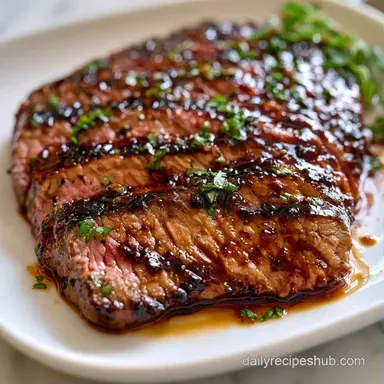
Balsamic Steak Marinade with Brown Sugar
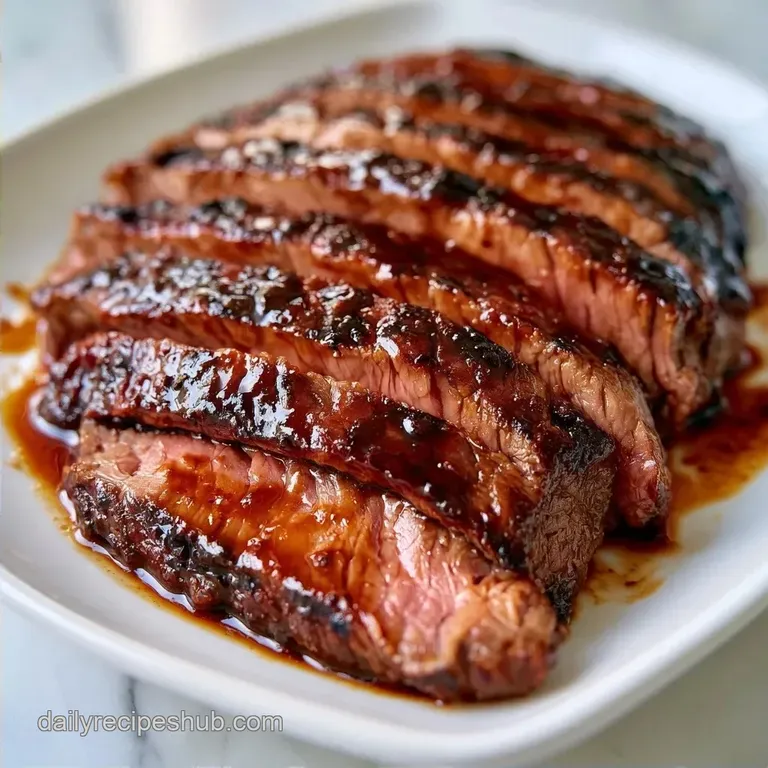
- Time: 10 min active + 4 hrs chilling
- Flavor/Texture Hook: Tangy, mahogany glaze with a sticky char
- Perfect for: Date night or a backyard grill session
The smell of a hot grill and that specific scent of balsamic vinegar caramelizing on beef is enough to bring the whole neighborhood over. I remember one July 4th where I tried to be too clever and used a generic vinaigrette from the fridge.
The steak came out tasting like a cold salad, and the texture was weirdly soft on the outside but tough in the middle. It was a total flop.
Since then, I've learned that you can't just throw any acidic liquid on meat and hope for the best. You need a specific balance of sugar and oil to protect the steak while the acid does the heavy lifting. This Balsamic Steak Marinade is the result of those mistakes. It creates a deep, savory crust that looks like it came from a high end steakhouse but takes almost no effort.
Expect a bold flavor profile that hits every note: salty, sweet, and sharp. It works best with leaner, tougher cuts like flank or skirt steak, which usually need a little help to become tender. By the time you pull the meat off the fire, it'll have a glossy, dark brown finish that's basically candy for meat lovers.
A Bold Balsamic Steak Marinade
This approach focuses on a long soak to ensure the flavor reaches the center of the cut. We aren't just flavoring the surface, we're changing the structure of the beef.
| Style | Marinating Time | Crust Color | Texture | Best For |
|---|---|---|---|---|
| Fast | 30 minutes | Light Brown | Firm | Quick weeknights |
| Classic | 4-24 hours | Deep Mahogany | Tender | Weekend grilling |
The classic method wins every time because it allows the balsamic and brown sugar to penetrate the grain of the meat. You get a much more consistent result when you let it sit.
The Flavor Logic
The Sugar Acid Ratio: The brown sugar offsets the harshness of the vinegar, preventing the meat from tasting "pickled" while encouraging a dark char.
Oil Stability: The olive oil creates a barrier that slows down the acid, allowing it to tenderize the connective tissue without destroying the surface proteins.
The Shopping List
Most of these ingredients are common pantry staples, though the quality of your balsamic is key. I suggest a thicker balsamic vinegar for its concentrated sweetness, which enhances the final glaze.
- 1.5 lb flank steak Why this? Bold flavor and perfect for thin slicing
- 1/2 cup balsamic vinegar Why this? Offers a balance of acidity and sugar
- 1/3 cup extra virgin olive oil Why this? Distributes flavor and prevents sticking
- 2 tbsp Worcestershire sauce Why this? Contributes a rich, savory umami base
- 2 tbsp brown sugar, packed Why this? Promotes a dark, caramelized crust
- 1 tbsp Dijon mustard Why this? Emulsifies the oil and vinegar
- 1 tsp salt Why this? Helps the meat absorb more flavor
- 1/2 tsp black pepper Why this? Adds a touch of warm, woody heat
- 4 cloves garlic, minced Why this? Essential for a pungent aromatic hit
- 1 tsp dried oregano Why this? Provides a rustic, herbal note
- 1/2 tsp onion powder Why this? Completes the savory flavor profile
| Original Ingredient | Substitute | Why It Works |
|---|---|---|
| Balsamic Vinegar | Red Wine Vinegar + 1 tsp honey | Comparable acidity. Note: Less sweet than balsamic |
| Brown Sugar | Maple Syrup | Liquid sweetener. Note: Adds a subtle maple taste |
| Dijon Mustard | Yellow Mustard | Similar binding effect. Note: Sharper and less complex |
| Flank Steak | Skirt Steak | Similar grain. Note: Richer and more flavorful |
Necessary Kitchen Tools
No specialized equipment is necessary; a standard bowl and whisk are all you'll need.
- Gallon sized Ziploc bag: This is preferable to a bowl since it allows you to remove the air and keep the steak fully submerged.
- Stainless steel whisk: Necessary for emulsifying the oil and ensuring the sugar dissolves completely.
- Medium mixing bowl: Use one with enough space to whisk without splashing.
- Meat thermometer: The only reliable way to ensure a lean cut like flank isn't overcooked.
Pro Tip: A shallow glass dish is a great alternative to a Ziploc bag. Just remember to flip the meat every few hours to prevent the bottom from getting too soggy.
The Cooking Process
Follow these steps to get the most out of your Balsamic Steak Marinade. The order of operations matters, especially when mixing the oil.
Phase 1: Emulsifying the Base
Combine the balsamic vinegar, brown sugar, Dijon mustard, and Worcestershire sauce in your bowl. Whisk vigorously until the brown sugar granules have completely dissolved and the liquid is smooth.
Phase 2: Integrating the Aromatics
Slowly drizzle in the olive oil while whisking constantly. This creates a stable emulsion so the marinade doesn't separate on the meat. Stir in the minced garlic, salt, pepper, dried oregano, and onion powder until the mixture looks glossy and thick.
Phase 3: The Marinating Process
Place the raw flank steak into the gallon sized Ziploc bag. Pour the marinade over the meat and seal the bag, pressing out as much air as possible. Massage the bag for about 30 seconds to ensure the steak is fully coated on all sides.
Phase 4: The Chill
Refrigerate the steak for at least 4 hours. For the best results, let it sit for 24 hours. This is when the Balsamic Steak Marinade really penetrates the muscle fibers.
Phase 5: The Fire
Remove the steak from the fridge 30 mins before grilling to take the chill off. Grill over medium high heat. Cook for about 5-7 mins per side until a dark brown crust forms and the internal temperature hits 130-135°F for medium rare.
Phase 6: The Rest
Move the steak to a cutting board and let it rest for 10 mins. This keeps the juices inside the meat rather than on the board.
Phase 7: The Slice
Slice the steak thin, against the grain. If you slice with the grain, the meat will feel chewy. Cutting across the fibers makes every bite tender.
Fixing Common Issues
Even with a solid plan, things can go sideways. Most issues with this recipe come down to timing or temperature.
Meat Texture Feels Mushy
This happens if you leave the steak in the marinade for too long. If you go past 48 hours, the acid in the vinegar literally starts to dissolve the proteins. Stick to the 24 hour limit to keep the steak from becoming mealy.
Lack of Dark Crust
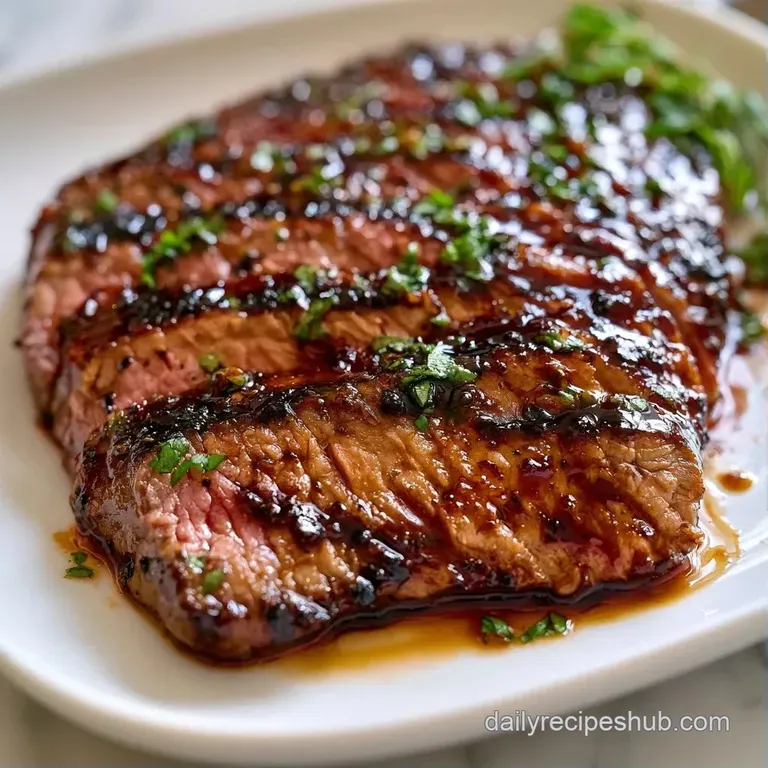
If your steak looks gray instead of mahogany, your grill wasn't hot enough. The brown sugar needs high heat to caramelize. Make sure the grates are sizzling before the meat touches them. Also, pat the steak slightly with a paper towel to remove excess liquid before grilling.
Marinade Separating
If the oil and vinegar separate in the bag, it's usually because the Dijon wasn't whisked in well. It won't ruin the flavor, but the coating won't be as even. Give the bag a good massage before putting it in the fridge to force the emulsion back together.
Meat Is Too Tough
Toughness usually comes from slicing the wrong way. Flank steak has very long, distinct muscle fibers. Always look for the direction of those lines and cut perpendicular to them. If you're unsure, check out a guide on grilled flank steak for visual cues on slicing.
Switching Up Ingredients
You can tweak the base to change the vibe of the meal. This Balsamic Steak Marinade is versatile enough to handle a few shifts.
- Spicy Kick: Stir in 1 tsp of red pepper flakes or a tablespoon of Sriracha.
- Extra Tang: Add 1 tsp of lemon zest to the final mix.
- Honey Swap: Use honey instead of brown sugar for a more floral sweetness.
If you want something completely different, like a zesty, fresh topping instead of a soak, you might prefer a steak chimichurri after the meat is cooked.
[Goal]? → [exact change] - More Umami? → add 1 tsp soy sauce - Brighter flavor? → add 1 tbsp fresh lemon juice - Thicker glaze? → reduce marinade in a pan before brushing on
Storing Your Marinade
If you made a double batch of the Balsamic Steak Marinade, there is no need to discard the surplus.
Keep the remaining marinade in a glass jar and refrigerate it for 5 days. Thanks to the vinegar and salt, it preserves quite well. Just give it a quick shake if the ingredients separate.
For long-term storage, freeze the marinade in ice cube trays, then transfer the frozen cubes into a freezer bag. They will last 3 months. Simply thaw a few cubes to make a quick stir-fry sauce or a glaze for roasted carrots.
To minimize waste, take the marinade that contacted raw meat and simmer it in a small saucepan. Boil for 5 mins until it reduces by half to create a thick syrup. This results in a safe, concentrated sauce for drizzling over your sliced steak.
Best Side Pairings
Since this steak is rich and tangy, you want sides that provide a contrast. Something fresh or starchy balances the intensity of the balsamic.
A pile of grilled asparagus or charred broccolini works well because the smokiness of the vegetable matches the char on the meat. If you want something heartier, a garlic mashed potato or a wild rice pilaf soaks up the extra juices from the resting steak.
For a lighter option, a crisp arugula salad with shaved parmesan and a squeeze of lemon is the way to go. The peppery greens cut right through the sweetness of the brown sugar.
I also love serving this with a side of grilled corn on the cob, brushed with a bit of lime butter. The sweetness of the corn and the tang of the steak create a great balance on the plate.
Why Most Recipes Get This Wrong
Most versions of this dish fail because they treat the marinade like a dressing. They use way too much vinegar and not enough fat. When you use pure acid, it "cooks" the outside of the steak, leaving you with a weird, rubbery exterior and a raw interior.
The trick here is the emulsion. By whisking the oil and Dijon into the vinegar, we create a controlled delivery system. The acid gets into the meat slowly, which allows for deeper penetration without damaging the surface.
Another mistake is skipping the sugar. Without brown sugar, you don't get the Maillard reaction, which is the chemical process that creates those savory, brown flavors. You end up with a steak that tastes like vinegar rather than a caramelized glaze.
Using the exact ratios in this Balsamic Steak Marinade ensures you get the tenderness and the crust in one go.
High in Sodium
874 mg 874 mg of sodium per serving (38% 38% of daily value)
The American Heart Association recommends a limit of 2,300mg of sodium per day for most adults to maintain heart health.
Tips to Reduce Sodium
-
Omit Added Salt-25%
Remove the 1 tsp of salt entirely; the Worcestershire and Dijon mustard already provide ample seasoning.
-
Low-Sodium Worcestershire-20%
Substitute the standard Worcestershire sauce with a low-sodium version or coconut aminos to cut salt while keeping the umami flavor.
-
Low-Sodium Dijon-15%
Swap the regular Dijon mustard for a low-sodium alternative or reduce the amount to 1/2 tbsp.
-
Boost Aromatics
Increase the amount of garlic, black pepper, and dried oregano to enhance the flavor profile without adding any sodium.
Recipe FAQs
Can I marinate flank steak in balsamic vinegar?
Yes, it is an excellent choice. The acidity tenderizes the meat while adding a rich, tangy flavor profile.
What does balsamic vinegar do to a steak?
It breaks down connective tissue. The vinegar softens muscle fibers and works with the brown sugar to create a deeply caramelized crust.
How long should you marinate a flank steak before cooking it?
Refrigerate for 4 to 24 hours. This timeframe allows the marinade to penetrate deeply and maximizes the tenderness of the cut.
What makes flank steak tough?
Coarse, directional muscle fibers. These thick fibers run linearly, which is why the meat must be sliced against the grain for a tender bite.
Is it true that deli London broil is a perfect substitute for flank steak?
Surprisingly, no. London broil is typically a different cut with a different density, so it may not react to this specific marinade as effectively.
Which marinade is most effective for flank steak?
A balance of acid and sugar. Combining balsamic vinegar and brown sugar provides the ideal contrast of sweetness and acidity to cut through the richness of the beef.
How do I use this steak for other meals?
Slice the meat thinly against the grain. If you enjoyed mastering the slicing technique here, apply it to our steak fajitas for a tender result.
Are store-bought marinades more effective than homemade versions?
This one's false: Homemade versions allow you to control the salt and sugar levels, preventing the meat from becoming overly salty or burning on the grill.
Balsamic Steak Marinade for 4 Servings