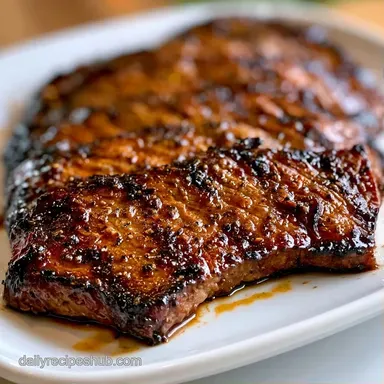
Cast Iron Flank Steak with Garlic Butter
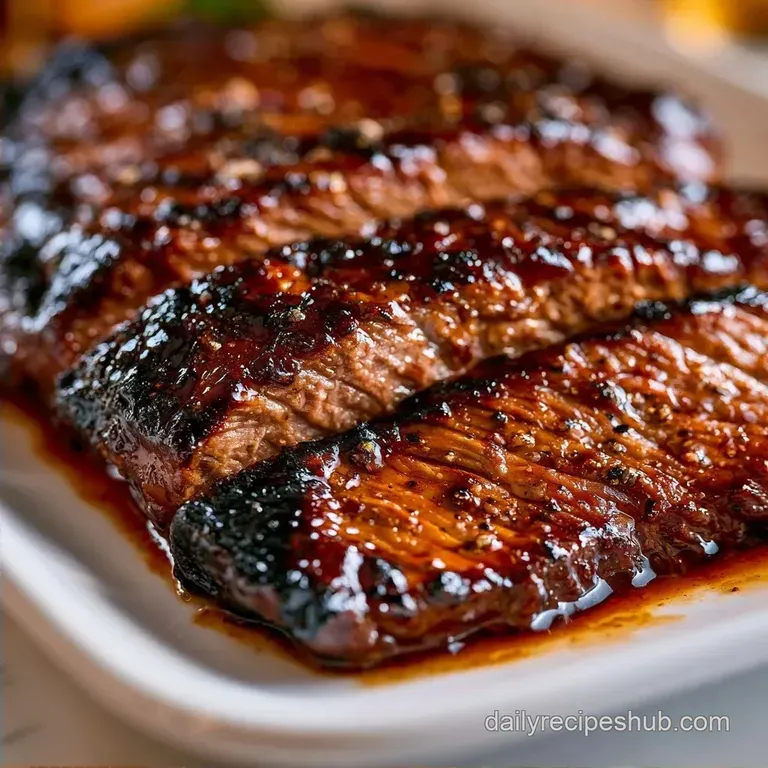
- Time: 10 min active + 10 min cook + 10 min resting
- Flavor/Texture Hook: Mahogany crust with a buttery, garlic finish
- Perfect for: A fast weeknight dinner that feels expensive
Quick Guide to Cast Iron Flank Steak
The smell of garlic hitting hot butter is the best part of this whole process. I used to treat flank steak like a chore, usually overcooking it until it felt like chewing on a leather belt. It's a lean cut, so it doesn't forgive you if you leave it in the pan too long.
But once I switched to a heavy skillet, everything changed. The weight of the pan keeps the heat steady, which means you get that deep, dark brown crust while the center stays a juicy medium rare.
You can expect a dinner that looks professional but only takes about 30 minutes from start to finish. The trick is all in the sear and the slice.
The Basic Specs
For those who just want the numbers, here is how this breaks down. We are looking for a quick sear and a mandatory rest.
| Detail | Value |
|---|---|
| Total Time | 30 minutes |
| Internal Temp | 130°F (Medium Rare) |
| Slicing Direction | Perpendicular to grain |
| Pan Heat | Medium High |
How to Actually Nail This
The logic here is simple: high heat and high mass.
Heat Retention: Cast iron holds onto heat far better than thin pans, so the meat doesn't drop the temperature when it hits the surface. Surface Moisture: Drying the meat prevents it from steaming, which allows it to brown in minutes instead of turning grey.
| Method | Time | Texture | Best For |
|---|---|---|---|
| Cast Iron Sear | 10 mins | Crispy crust, juicy center | Quick dinners |
| Oven Roast | 25 mins | Uniform cook, softer crust | Large cuts |
Ingredient Deep Dive
I like to use a mix of soy and honey to help the steak brown faster. Here is what each part brings to the table.
| Ingredient | What It Does | Best Swap |
|---|---|---|
| Soy Sauce | Adds salt and color | Tamari (for gluten-free) |
| Avocado Oil | High smoke point for searing | Grapeseed oil |
| Unsalted Butter | Adds richness and nuttiness | Ghee (higher smoke point) |
| Honey | Helps with the brown crust | Brown sugar |
The Pantry List
- 1.5 lbs flank steak
- 1/4 cup soy sauce
- 1/4 cup olive oil
- 2 tbsp Worcestershire sauce
- 1 tbsp honey
- 3 cloves garlic, minced
- 1 tsp cracked black pepper
- 1/2 tsp salt
- 2 tbsp avocado oil
- 3 tbsp unsalted butter
- 3 sprigs fresh thyme
- 3 cloves garlic, smashed
Why this? Avocado oil handles the high heat without smoking or burning.
Essential Gear
While you don't need high-end equipment, a few key tools simplify the process. A 12 inch cast iron skillet is the ideal choice, as it accommodates the steak without overcrowding the pan.
I strongly suggest using a digital meat thermometer. Relying on "feel" is a quick way to turn your dinner into rubber. You'll also want sturdy tongs to press the meat down, ensuring every inch of the surface makes contact with the hot metal.
From Prep to Plate
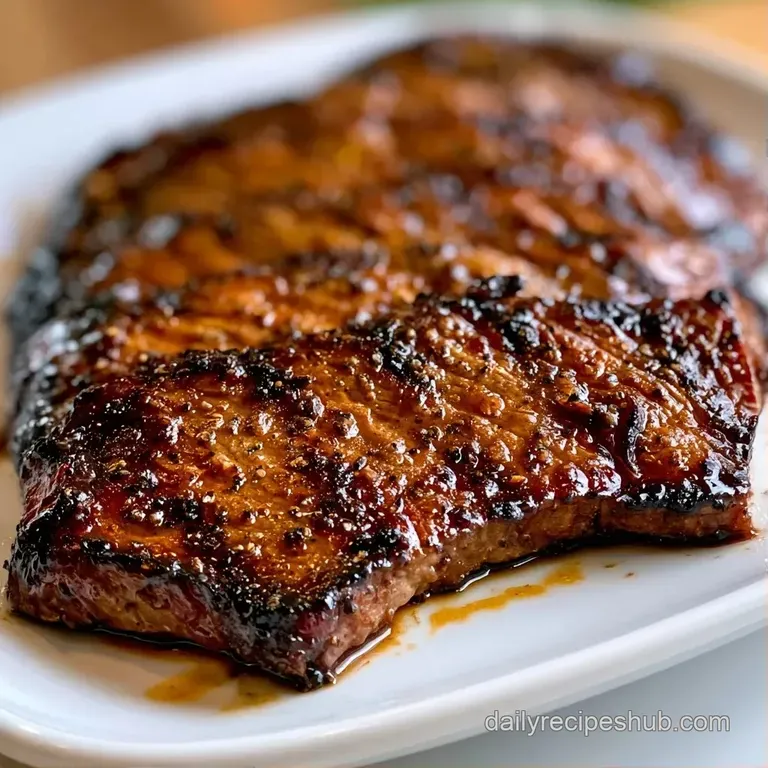
Let's jump into the method. Avoiding the temptation to skip the resting time is crucial.
Preparing the Meat
Use paper towels to thoroughly pat the marinated flank steak. Note: Excess surface moisture creates steam, which hinders crust development. Season lightly with salt and pepper.
Achieving the Perfect Sear
Set a skillet to medium-high heat with avocado oil. Wait until the oil shimmers and is just beginning to smoke. Lay the beef in the pan and press down lightly. Sear for 4-5 minutes without movement to achieve a dark mahogany crust.
Mastering the Butter Baste
Turn the steak over. Immediately add the butter, smashed garlic, and thyme. Tilt the skillet so the butter pools. Use a large spoon to baste the steak with the foaming butter for 3-4 minutes.
Timing the Finish
Remove the meat when it reaches an internal temperature of 130°F (54°C). Though USDA guidelines suggest higher heat for safety, 130°F is the gold standard for medium rare. Place on a board and let it rest for 10 minutes.
Slicing for Tenderness
Identify the grain (the lines) in the meat. Slice into thin strips perpendicular to those lines. If you cut with the grain, the steak will be chewy regardless of the cook.
Avoiding Kitchen Disasters
The most common issue is the pan getting too hot or not hot enough. If you see a huge cloud of smoke, your oil is breaking down.
Stopping the Smoke Alarm
This happens when the oil hits its smoke point. If your kitchen is filling with smoke, turn the heat down slightly and swap olive oil for avocado oil next time.
Preventing a Grey Band
A "grey band" occurs when the meat cooks too slowly from the outside in. Ensure your pan is ripping hot before the meat touches the surface.
Fixing Overcooked Beef
If you go past 145°F, the flank steak loses its juice. You can't "un cook" it, but slicing it even thinner helps mask the toughness.
| Problem | Fix |
|---|---|
| Too much smoke | Use avocado oil; lower heat slightly |
| Chewy meat | Slice thinner and strictly across the grain |
| Grey exterior | Increase pan heat before adding steak |
Adjusting the Portions
When cooking for a group, avoid adding two steaks to the pan at the same time.
Instead, sear them individually. Overfilling the pan causes the temperature to plummet and the meat to release juices, which results in steaming the steak rather than browning it. I typically cook one at a time and set the finished pieces on a warm platter.
For a smaller serving, a smaller 8 inch skillet is fine. Halve the butter and garlic, but keep the heat high. The cooking time remains about the same, as the focus is on the surface sear rather than the thickness of the meat.
Common Meat Myths
Searing meat does not "seal in juices." That is a total myth. Moisture loss happens throughout the entire cooking process. The sear is actually about flavor, creating a savory crust that tastes better.
Another myth is that you should salt meat hours before cooking. While a long brine helps, a quick salt right before the sear is plenty for a Cast Iron Flank Steak.
Preservation Guidelines
Store any remaining steak in an airtight container in the cooler for up to 3 days. Rather than using a microwave to reheat, briefly sear the slices in a small amount of butter for 60 seconds to warm them through.
To reduce waste, keep the leftover marinade if it didn't touch raw meat, or simmer it for 5 minutes to kill bacteria and use it as a glaze. Chop any steak scraps for a quick stir fry or a breakfast hash.
Switching Up Flavors
You can easily change the vibe of this dish by swapping the marinade. For a zestier version, use lime juice and cumin. This makes it a great base for flank steak fajitas which are always a hit with friends.
If you want something more indulgent, try my stuffed flank steak for a dinner party.
For a Keto or Paleo version, simply swap the honey for a tiny bit of maple syrup or omit the sweetener entirely. The soy sauce can be replaced with coconut aminos to keep it grain free.
Serving Ideas
This Cast Iron Flank Steak pairs well with something bright to cut through the butter. I usually serve it with a crisp arugula salad or roasted asparagus.
If you want a heavier side, some smashed potatoes with garlic and parsley work perfectly. The key is to serve the steak on a warm platter so it doesn't cool down too quickly while you are slicing it. Trust me on the slicing, take your time and go thin. It makes a world of difference.
Recipe FAQs
How long should flank steak be on cast iron?
Sear for 4 to 5 minutes on the first side and 3 to 4 minutes on the second. Use a thermometer to ensure the internal temperature reaches 130°F for medium-rare.
What is the best way to keep flank steak tender?
Slice the rested steak into thin strips perpendicular to the grain. This process breaks down the tough muscle fibers for a softer texture.
Is it true that flank steak is too tough for stir fry?
Actually, no. It is a great choice for high-heat cooking if you follow the slicing techniques used in our pepper stir fry.
How to prepare the meat for a professional crust?
Pat the marinated steak completely dry with paper towels. Removing surface moisture allows the cast iron to sear the meat instead of steaming it.
Cast Iron Flank Steak in 20 Minutes