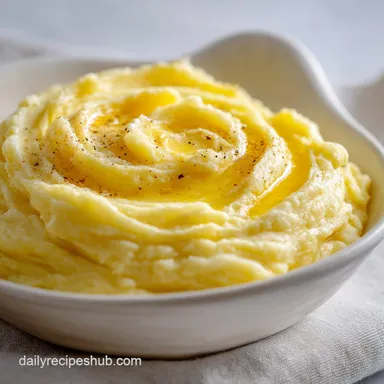
Mashed Potatoes: Ultra Creamy
- Time: 15 min active + 25 min cooking = 40 mins total
- Flavor/Texture Hook: Velvety, cohesive, and buttery
- Perfect for: Weeknight comfort or holiday side dishes
- The Secret to Velvety Mashed Potatoes
- Component Analysis
- Necessary Ingredients and Swaps
- Simple Tools for the Job
- Step by Step Process
- Fixing Common Texture Issues
- Tasty Flavor Tweaks
- Adjusting the Batch Size
- Potato Myths Debunked
- Storage and Waste Tips
- Plating for the Table
- Recipe FAQs
- 📝 Recipe Card
That smell of melting butter and steaming tubers is a core memory for most of us, right? But let's be real, we've all been there. You spend all that time peeling and boiling, only to end up with something that has the consistency of wallpaper paste.
It's that dreaded "gluey" texture that happens when you overwork the starch, and honestly, it's the quickest way to ruin a dinner party.
I once made a huge batch for my family where I tried to be too helpful by using a hand mixer on high speed for five minutes straight. I thought I was making them smoother, but I actually just whipped the starch into a sticky, elastic mess. It was a disaster. This recipe is the exact opposite of that mistake.
We're going for a cloud like consistency that feels rich but doesn't weigh you down. These Mashed Potatoes rely on a few small shifts in technique that make a massive difference in the final mouthfeel. Trust me, once you try the "dry down" method, you'll never go back to just draining and mashing.
The Secret to Velvety Mashed Potatoes
To get that smooth finish, we have to respect the starch. If you treat potatoes like a gym workout and beat them into submission, they fight back by becoming gummy. The goal is to break the cells just enough to let the butter and milk in, without rupturing the starch granules completely.
Starch Control: Gentle simmering instead of a rolling boil prevents the outside of the potato from disintegrating while the inside stays raw.
Moisture Evaporation: Returning the potatoes to a hot pot for a minute removes surface steam, which means they absorb more butter and less water.
Temperature Sync: Adding warmed milk instead of cold liquid keeps the fats emulsified and prevents the potatoes from cooling down too fast.
Acidity Balance: Using Greek yogurt adds a subtle tang that cuts through the heavy fat, keeping the flavor bright.
But what about the speed? Some people love a quick mash, while others want the luxury version. Here is how the methods actually stack up.
| Method | Time | Texture | Best For |
|---|---|---|---|
| Fast Mash | 20 min | Rustic/Lumpy | Quick weeknight meals |
| Classic | 40 min | Velvety/Smooth | Holiday dinners |
| Ricer | 45 min | Cloud like/Fine | Impressive guests |
It's a small time difference, but the texture shift is huge. If you're in a rush, the fast mash works, but for the best Mashed Potatoes, the classic method is the way to go.
Component Analysis
Understanding what each ingredient actually does helps you tweak the recipe on the fly. It's not just about following a list, it's about knowing how the pieces fit together.
| Ingredient | Science Role | Pro Secret |
|---|---|---|
| Yukon Gold | Starch Balance | Naturally creamier than Russets |
| Greek Yogurt | Fat/Acid | Provides a "lift" to the flavor |
| Warmed Milk | Hydration | Prevents "clumping" during mixing |
| Butter | Flavor/Silk | Adds the essential velvety sheen |
The combination of these elements ensures the dish stays cohesive. If you've ever noticed your potatoes separating or looking "broken," it's usually because the temperature of the milk was too low or the butter wasn't fully melted.
Necessary Ingredients and Swaps
I only use a few high-quality items here. Don't bother with low-fat butter or skim milk, as you'll lose that signature richness.
- 3 lbs Yukon Gold potatoes, peeled and cubed into 1 inch pieces Why this? Balanced starch for a naturally creamy texture
- 1 tsp salt Why this? Seasons the potato from the inside out
- 1 tbsp olive oil Why this? Helps prevent sticking in the pot
- 1/2 cup low-fat milk, warmed Why this? Creates a smooth, liquid base
- 2 tbsp unsalted butter, melted Why this? Essential for the velvety mouthfeel
- 1/4 cup plain Greek yogurt Why this? Adds tang and creaminess without heavy cream
- 1/2 tsp garlic powder Why this? Consistent flavor without raw garlic bite
- 1/2 tsp fine sea salt Why this? Precise final seasoning
- 1/4 tsp cracked black pepper Why this? Adds a subtle, earthy heat
If you're missing something, don't panic. You can swap the Yukon Golds for Russets, though the result will be fluffier and less "silky." For the milk, unsweetened almond milk works in a pinch, but it'll be less rich. Instead of Greek yogurt, sour cream is a great alternative, though it's a bit heavier.
Simple Tools for the Job
You don't need a professional kitchen to do this. A few basic tools will get you 99% of the way there.
I highly recommend a potato ricer if you have one. It's the best way to ensure there are zero lumps because it pushes the potato through tiny holes rather than crushing it. If you don't have one, a heavy duty hand masher is perfectly fine.
Just avoid the electric mixer unless you want that "glue" we talked about earlier.
A large pot with a heavy bottom is key. This prevents the potatoes from scorching on the bottom during the dry down phase. You'll also need a colander for draining and a rubber spatula for the folding process.
Step by step Process
Ready to get started? Let's crack on.
- Cut the Yukon Gold potatoes into uniform 1 inch cubes. Note: Uniform sizes mean they all finish cooking at the exact same time.
- Place potatoes in a pot, cover with cold water by one inch, add salt, bring to a boil, then reduce to a simmer. Cook 15-20 minutes until a fork slides in with zero resistance.
- Drain the potatoes in a colander.
- Return them to the empty, hot pot over low heat for 60 seconds, shaking the pan gently until the surface moisture evaporates.
- Pass the potatoes through a ricer into a bowl or mash them thoroughly using a heavy duty hand masher.
- Slowly fold in the warmed milk, melted butter, and Greek yogurt using a rubber spatula until the mixture is velvety and cohesive.
- Stir in garlic powder, salt, and pepper last.
- Give it one final gentle stir and serve immediately.
This process ensures your Mashed Potatoes don't absorb too much water during the boiling phase, leaving more room for the butter and cream to shine.
Fixing Common Texture Issues
Even with a plan, things happen. Maybe the potatoes were a bit too waxy, or you got carried away with the mashing.
Fixing Gluey Textures
This usually happens from over mixing. Once the starch cells break, they release a sticky paste. If this happens, stop mixing immediately. You can't "un glue" them, but adding a splash more warm milk and folding very gently can help mask the elasticity.
Eliminating Lumps
Lumps happen when the potatoes aren't cooked through or you're using a weak masher. If you see lumps after adding the liquids, don't keep stirring. Use a fork to manually smash the remaining chunks against the side of the bowl.
Thin Consistency
If your Mashed Potatoes are too runny, it's usually because the potatoes held onto too much water or you added too much milk. To fix this, put them back in the pot over very low heat for 2-3 minutes, stirring constantly to cook off the excess liquid.
| Problem | Root Cause | Solution |
|---|---|---|
| Gluey/Sticky | Over mixing starch | Stop mixing; add warm milk |
| Lumpy | Under cooked tubers | Manual smash with a fork |
| Too Runny | Excess water/milk | Low heat reduction |
Keep these tips in mind to avoid the most common pitfalls. Here is a quick checklist for your next batch:
- ✓ Start potatoes in cold water
- ✓ Don't boil on high heat
- ✓ Perform the 60 second dry down
- ✓ Fold liquids in gently
- ✓ Warm your milk first
Tasty Flavor Tweaks
Once you've nailed the base, you can get creative. These are incredibly versatile. For a savory punch, try adding a tablespoon of roasted garlic or some fresh chives. If you want something richer, a handful of grated Parmesan cheese stirred in at the end is a winner.
These pair beautifully with a Mushroom Chicken Bake recipe for a full, comforting meal. The creaminess of the potatoes balances the earthy mushrooms perfectly.
If you're feeling fancy, try a brown butter infusion. Melt the butter in a pan until it smells nutty and turns golden brown before adding it to the mix. It adds a deep, toasted flavor that makes the dish feel much more expensive than it actually is.
Adjusting the Batch Size
Scaling this recipe is pretty straightforward, but you have to be careful with the seasonings.
Cutting the recipe in half: Use a smaller pot so the potatoes aren't swimming in too much water. Reduce your cooking time by about 20%, as smaller batches often heat up faster.
Doubling or Tripling: Don't just double the salt and spices. Increase salt and garlic powder to 1.5x first, then taste and add more if needed. Work in batches when ricing to avoid overloading your bowl.
| Servings | Potatoes | Milk | Butter | Yogurt |
|---|---|---|---|---|
| 4 (Half) | 1.5 lbs | 1/4 cup | 1 tbsp | 2 tbsp |
| 8 (Base) | 3 lbs | 1/2 cup | 2 tbsp | 1/4 cup |
| 16 (Double) | 6 lbs | 1 cup | 4 tbsp | 1/2 cup |
Making a massive batch? Be extra careful during the dry down phase. It will take a few more minutes for the steam to escape from a larger pile of potatoes.
Potato Myths Debunked
There's a lot of bad advice out there. Let's clear some things up.
One common myth is that you should start potatoes in boiling water to "lock in" the starch. This is false. Starting in cold water ensures the potato cooks evenly from the center to the edge. If you drop them in boiling water, the outside turns to mush before the inside is even warm.
Another one is that you need a stand mixer for the "best" Mashed Potatoes. In reality, a stand mixer is the enemy of texture. It incorporates too much air and overworks the starch, leading to that gummy consistency we're trying to avoid.
Storage and Waste Tips
If you have leftovers, store them in an airtight container in the fridge for 3-4 days. They'll thicken up as they cool, which is normal.
To reheat, don't use the microwave on high, or you'll get "hot spots" and a weird texture. Instead, put them in a small pot over low heat and add a splash of milk or butter to loosen them back up. If you have a huge amount, you can freeze them for up to 2 months, though the texture may change slightly.
As for zero waste, don't toss those potato peels! Toss them in a bit of olive oil and salt, then bake them at 400°F (200°C) for 10-15 minutes. They make incredible, salty crisps. Also, if you have leftovers, they make a great side for a chicken salad sandwich recipe lunch the next day.
Plating for the Table
The way you serve Mashed Potatoes can make them feel like a home cooked side or a restaurant dish.
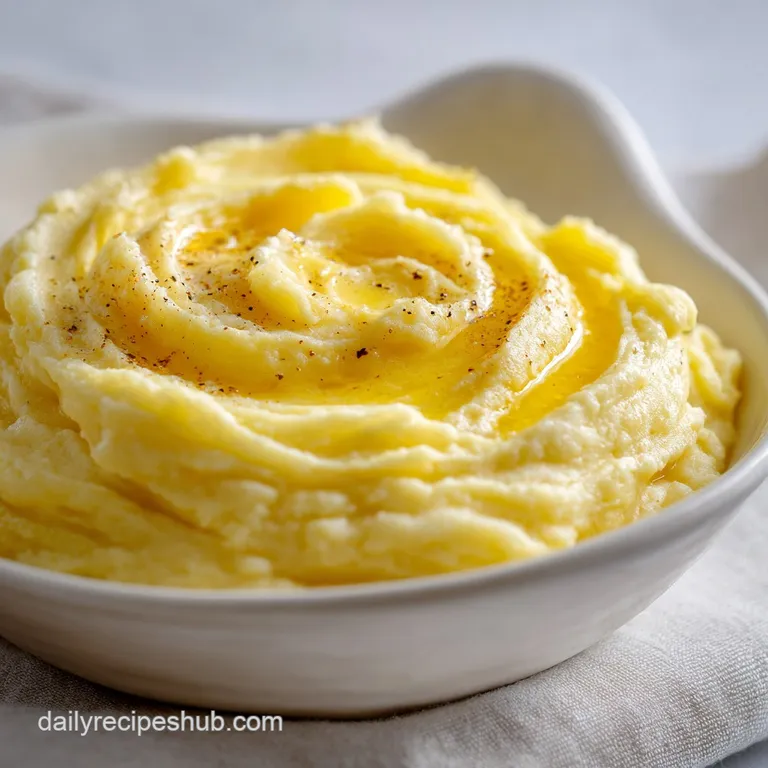
For a rustic look, scoop them into a wide ceramic bowl and use the back of a spoon to create a swirl on top. Drop a small cube of butter right in the center and let it melt naturally.
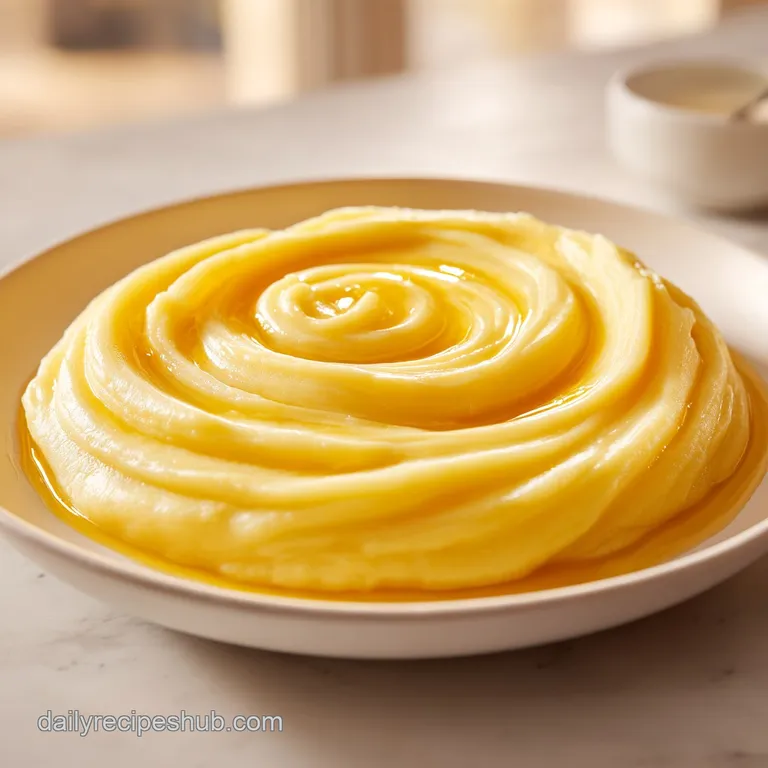
If you want to be a bit more modern, try the "swoosh" technique. Place a large dollop of potatoes on the plate and use a spoon to drag it across the surface in a curved motion. This creates a sleek bed for your protein to sit on and looks stunning under dinner lights.
Finish with a sprinkle of cracked black pepper and some fresh parsley for a pop of color.
Recipe FAQs
What is the secret to good mashed potatoes?
Evaporating surface moisture and using a ricer. Return drained potatoes to the hot pot for 60 seconds to remove excess water before mashing for a more velvety result.
How does Gordon Ramsay make the best mashed potatoes?
Pass the potatoes through a ricer. This creates a smooth, professional consistency without overworking the starch, which prevents them from becoming gluey.
Are mashed potatoes safe for celiacs?
Yes, they are naturally gluten-free. Just verify that your Greek yogurt and milk are processed in gluten-free facilities to avoid cross-contamination.
How often can a diabetic have potatoes?
Consult a healthcare provider for personalized guidance. Because potatoes are high in carbohydrates, managing portion sizes and pairing them with fiber is typically recommended.
Why did my mashed potatoes turn out gluey?
You likely over-mixed the potatoes. Over-working the starch, especially with a blender or food processor, breaks down the cells and creates a gummy texture.
How do I reheat leftover mashed potatoes?
Warm them in a small pot over low heat. Stir in a splash of milk or butter to restore the creamy consistency and avoid the "hot spots" caused by a microwave.
Is it true I must start potatoes in boiling water to keep them firm?
No, this is a common misconception. Start the potatoes in cold water to ensure they cook evenly from the edge to the center.
Mashed Potatoes in 35 Minutes