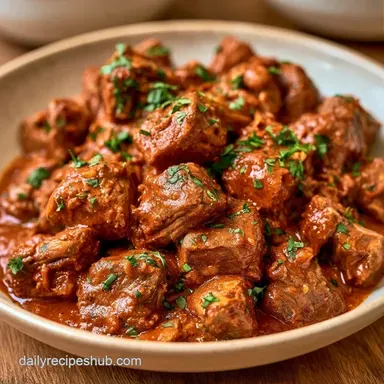
Authentic Indian Lamb Curry Recipe
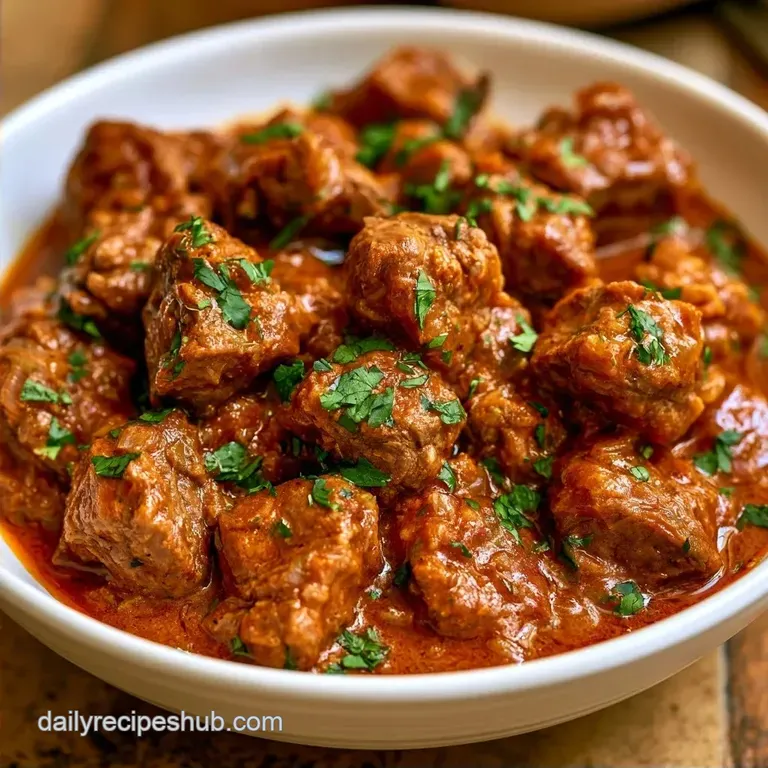
- Time: 20 min active + 90 min simmering
- Flavor/Texture Hook: Deep mahogany sear with a rich, creamy sauce
- Perfect for: Cold weeknights or a cozy Sunday meal
The smell of hot ghee and toasted cumin seeds hitting a pan always takes me back to my first attempt at this. I remember the meat coming out gray and tough because I crowded the pan, basically boiling the lamb in its own juices instead of searing it.
It was a letdown, but it taught me that the browning phase is where the flavor lives.
Once I started browning the meat in small batches, everything changed. The sauce went from a thin gravy to a concentrated, savory concentrate that clings to the meat. I've tweaked this Lamb Curry Recipe over time to make it faster without losing that authentic, slow cooked depth.
You can expect a dish that feels luxurious but doesn't cost a fortune. We're using shoulder meat, which is cheaper than the leg but far more flavorful. By the time the 90 minutes are up, the meat just gives way to a fork.
Easy Indian Lamb Curry Recipe
Why This Version Works
The logic behind this Lamb Curry Recipe comes down to a few simple physics and chemistry tricks.
- The Hard Sear: Browning the meat at high heat creates a crust that adds an earthy, savory base to the sauce.
- Blooming Spices: Frying the whole spices in ghee first releases oils that wouldn't come out if you just boiled them in water.
- The Yogurt Temper: Whisking the yogurt and adding it slowly prevents it from splitting into clumps when it hits the heat.
Serious Eats' testing shows that searing meat in batches is the only way to get a proper crust without dropping the pan temperature. This ensures you get that deep color and flavor before the simmering even begins.
What Each Ingredient Does
The balance of fat, acid, and heat is what makes this work.
| Component | Purpose | Substitute Notes |
|---|---|---|
| Lamb Shoulder | Provides fat and collagen for tenderness | Leg of lamb: Leaner, requires more liquid to avoid drying out |
| Ghee | High smoke point for searing | Unsalted butter: Works, but can burn faster at high heat |
| Greek Yogurt | Adds creaminess and tang | Coconut milk: Same richness but adds a tropical sweetness |
| Tomato Purée | Thickens sauce and adds acidity | Fresh blended tomatoes: Lighter flavor, may need more simmering time |
The Required Gear
Basic kitchen tools are all you need for this recipe. A heavy bottomed pot like a Dutch oven or a deep stainless steel pan is essential, as it distributes heat evenly to prevent the curry from scorching during the 90 minute simmer.
For prepping the aromatics, you'll want a sharp chef's knife and a cutting board. I also suggest using a whisk to smooth out the yogurt before adding it to the pot. While a kitchen scale is helpful, standard measuring cups work perfectly well.
Step-by-step Cooking Guide
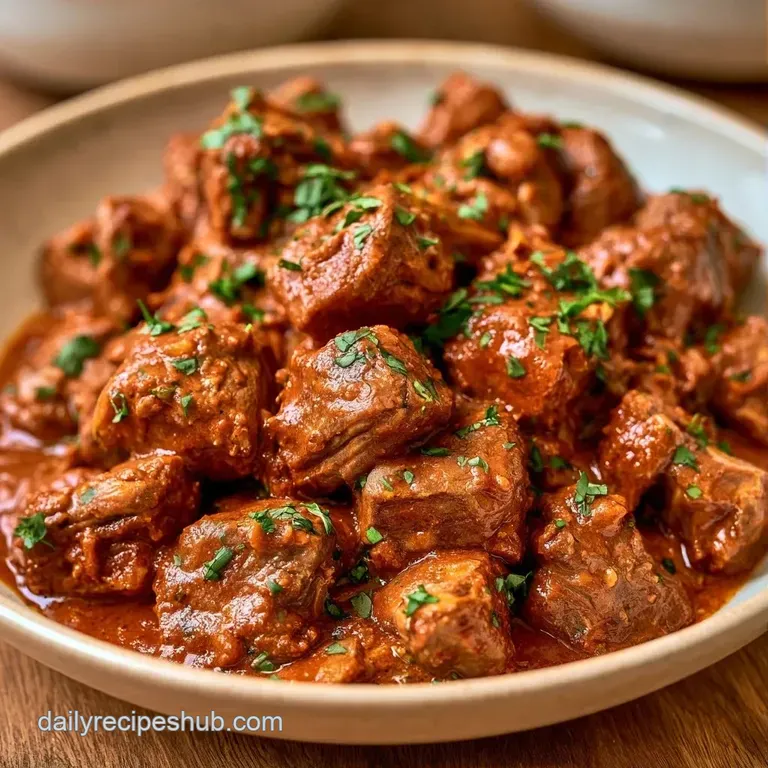
Right then, let's get the Lamb Curry Recipe moving.
Searing the Meat
- Pat the lamb cubes dry with paper towels to ensure a proper sear. Season with salt and pepper. Note: Wet meat steams instead of browning.
- Heat 1 tbsp of ghee in the pot over medium high heat until shimmering.
- Brown the lamb in batches to avoid crowding the pan; cook 8-10 mins until a deep mahogany crust forms on all sides.
- Remove lamb and set aside on a plate, leaving the rendered fat in the pot.
Building the Aromatic Base
- Lower heat to medium and add the remaining ghee. Toss in cumin seeds, cinnamon, and cardamom; stir for 30 seconds until they sizzle and smell nutty.
- Add diced onions and sauté for 10–12 minutes, stirring frequently, until they are golden brown and caramelized.
- Stir in the ginger and garlic pastes; cook for 2 minutes until the raw scent disappears.
Simmering the Sauce
- Stir in the tomato purée, turmeric, ground coriander, and Kashmiri red chili powder. Cook for 5 mins until the oil starts to separate from the edges of the paste.
- Add the browned lamb and any juices back into the pot. Stir to coat the meat in the spice paste.
- Pour in the warm water and bring to a gentle bubble. Lower the heat, cover with a tight lid, and simmer for 90 minutes until the lamb is tender and yields easily to a fork.
The Final Polish
- Stir in the whisked Greek yogurt and garam masala. Simmer for another 5 mins on low heat. Note: Keep the heat low to prevent the yogurt from curdling.
- Stir in the lemon juice and fresh cilantro just before serving. This Lamb Curry Recipe is now ready to hit the table.
Pro Tips and Pitfalls
Dealing with meat and dairy in one pot can be tricky. If you've ever had your sauce look like cottage cheese, you've experienced yogurt curdling. This happens when the dairy proteins tighten up due to extreme heat or acid.
Another common issue is meat that stays tough even after the timer goes off. This usually happens if the heat was too high during the simmer, which tightens the muscle fibers instead of breaking down the collagen.
Finally, some people find the sauce too bitter. This usually comes from burning the garlic paste or adding too much turmeric without enough fat to balance it.
| Problem | Fix |
|---|---|
| Curdled Yogurt | Temper the yogurt by stirring in a spoonful of hot sauce before adding to the pot |
| Tough Meat | Lower the heat and simmer for another 20-30 mins with a splash more water |
| Bitter Sauce | Stir in a pinch of sugar or an extra squeeze of lemon juice to balance |
Dietary Tweaks and Swaps
If you're looking to change this Lamb Curry Recipe for different diets, you have a few options. For a vegan version, swap the lamb for cauliflower florets and chickpeas, and use coconut milk instead of yogurt. Note that cauliflower only needs about 15-20 minutes of simmering, not 90.
For those following a keto or low carb plan, simply skip the rice and serve this over steamed cauliflower or sautéed spinach. The sauce is naturally low carb, provided you don't add sugar.
| Original Ingredient | Substitute | Why It Works |
|---|---|---|
| Ghee (3 tbsp) | Avocado Oil (3 tbsp) | High smoke point. Note: Lacks the buttery flavor of ghee |
| Greek Yogurt (1/2 cup) | Full fat Coconut Milk (1/2 cup) | Similar fat content. Note: Adds a distinct coconut taste |
| Lamb Shoulder (2 lbs) | Beef Chuck (2 lbs) | Similar collagen levels. Note: Meat is denser than lamb |
If you're planning a full menu, a lighter dessert like the Southern Summer Cake can balance the heavy, spiced notes of the curry.
Keeping Your Curry Fresh
The flavors of this curry intensify overnight, as the spices soak deeper into the meat and the sauce becomes richer. Keep any remaining portions chilled in a sealed tub for up to 4 days.
For freezing, ensure the curry is completely cooled first. It will last in the freezer for around 3 months. When you're ready to eat it again, reheat slowly on the stove with a small amount of water to thin the sauce.
Make use of the lamb scraps and onion skins. You can save the skins and vegetable trimmings in a freezer bag for a future stock. If there's leftover ghee in your pan, it's great for roasting potatoes or carrots.
Serving and Enjoying It
For a traditional meal, pair this with warm garlic naan or steamed Basmati rice. The rice soaks up the gravy, while the naan is perfect for grabbing tender pieces of lamb. To cut through the richness, add a side of red onion slices marinated in salt and vinegar.
Because this dish is spicy and hearty, a refreshing accompaniment is recommended. A minty cucumber raita made with yogurt is ideal. To finish on a sweet note, try my Chocolate Icebox Cake, which provides a cooling effect and refreshes the palate.
For a contemporary version, serve the curry in a bowl topped with a poached egg. The liquid yolk blends with the spice paste, adding an extra layer of richness.
Adjusting the Batch Size
If you need to scale the portion sizes for this dish, keep these tips in mind:
- For a smaller batch (half): Use a more compact pot to avoid overly fast evaporation. Shorten the simmering time by roughly 15-20 minutes due to the lower volume of meat.
- For a larger batch (double): Avoid doubling the Kashmiri chili powder and salt; start with 1.5x the amount and adjust to taste. Brown the lamb in additional batches to maintain a strong sear.
- For a bigger pot: Increase the liquid by 10% if using a wide stockpot, as the larger surface area increases evaporation.
Common Beliefs
There are several misconceptions regarding this lamb curry that can lead to errors. Many believe that searing "locks in" the juices. In truth, searing doesn't prevent moisture loss; instead, it develops the browned crust essential for depth of flavor.
Another common idea is that a pressure cooker is necessary for tender meat. While an Instant Pot saves time, a slow stove top simmer creates a more complex flavor profile. If you allow the stove top method the full 90 minutes, the tenderness is virtually identical.
This recipe delivers gourmet quality without breaking the bank. It's all in the technique, from the initial searing of the meat to the final garnish of cilantro. Give it a go this weekend your home will smell amazing.
Recipe FAQs
Which lamb cut works best for this curry?
Lamb shoulder is the best choice due to its balance of lean meat and fat.
Tip: Cut the shoulder into exact 1.5 inch cubes for uniform cooking.
How to get a deep brown crust on the meat?
Brown the lamb in batches over medium high heat using ghee.
Tip: Pat the meat dry with paper towels first to prevent steaming.
Is it true that lamb shoulder is too tough for a 90-minute simmer?
False. A simmer of 90 minutes is exactly what this cut needs to become tender.
Tip: Ensure the heat stays at a gentle simmer rather than a rolling boil.
What mistakes usually ruin the meat texture?
Overcrowding the pot during the browning phase leads to grey, steamed meat.
Tip: Sear only enough meat to cover the bottom of the pot without overlapping.
Can I use Greek yogurt for a richer finish?
Yes, whisked Greek yogurt provides the necessary creaminess and tang.
Tip: Add it at the very end over low heat to keep the sauce smooth.
Why does the sauce sometimes separate?
Excessive heat can cause yogurt proteins to curdle and separate from the fat.
Tip: Now that you've mastered this stable emulsion, apply those same skills to our creamy salmon pasta sauce.
Should I sear the lamb in one large batch?
This one's false: searing all the meat at once drops the temperature too low.
Tip: Cook in 2 or 3 batches to maintain a high searing temperature.
Could the spices burn during the sauté process?
Yes, whole spices can scorch if they are heated for more than 30 seconds.
Tip: Immediately add the diced onions to cool the oil and stop the browning.
Indian Lamb Curry Recipe