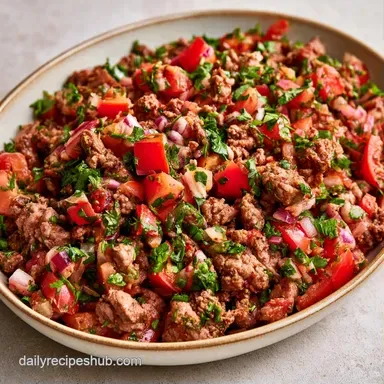
Mediterranean Lamb Bowls in 30 Minutes
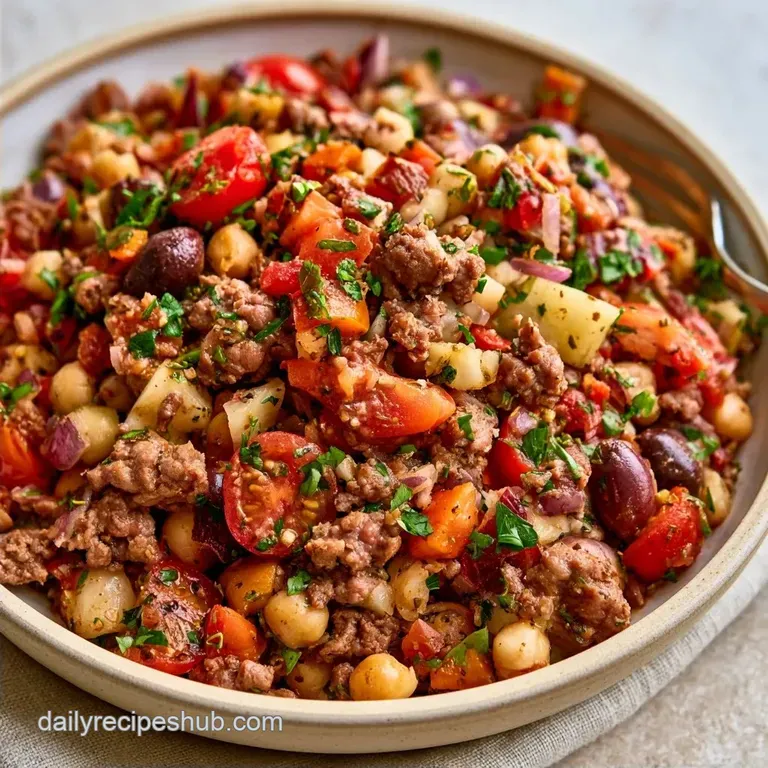
- Time: 15 min active + 20 min cook
- Flavor/Texture Hook: Tangy, zesty, and charred
- Perfect for: Weeknight meal prep
- Why Mediterranean Lamb Bowls Work
- Tools You'll Need
- Gathering Your Essentials
- Recipe Specifications
- Ingredients & Substitutes
- Key Steps
- Common Mistakes & Troubleshooting
- Freezing and Reheating Guide
- Dietary Adaptations
- Presentation Tips
- Debunking Kitchen Myths
- High in Sodium
- Recipe FAQs
- 📝 Recipe Card
The sound of ground lamb hitting a hot pan should be a loud, aggressive sizzle, not a quiet simmer. Most people make the mistake of stirring their meat the second it touches the oil. This releases moisture too quickly, and suddenly you're boiling your lamb in its own grey juices.
I used to do this all the time. I'd end up with bland, rubbery crumbles that lacked any real character. The fix is simple, but it requires a bit of patience. You have to let the meat sit.
Once you nail the sear, these Mediterranean Lamb Bowls become a staple. You get a dark, caramelized crust that balances against the cool, crisp vegetables and tangy sauces.
Why Mediterranean Lamb Bowls Work
The balance of this dish comes down to temperature and acidity. Here is why this specific approach works:
- The Undisturbed Sear: Leaving the lamb alone for 4 minutes lets the fats render and brown. This creates a crust that tastes like a grill, even in a skillet.
- The Acid Finish: Adding lemon juice at the very end cuts through the heavy fat of the lamb. It wakes up the spices and makes the whole bowl feel light.
- Texture Contrast: Pairing hot, spiced meat with cold cucumber and creamy hummus prevents the dish from feeling one dimensional.
Tools You'll Need
This recipe only requires a few standard kitchen implements.
A large skillet is the most critical piece of equipment. I recommend cast iron for its superior heat retention, which is key for creating that perfect crust. A stainless steel pan is another great option. Try to avoid non-stick cookware, as it doesn't brown the meat as deeply.
You will also need a medium mixing bowl for the fresh salad and a sharp chef's knife. Using a basic measuring set for the spices ensures the cinnamon doesn't overpower the cumin.
Gathering Your Essentials
For these Mediterranean Lamb Bowls, quality matters, but don't overthink it. Use ground lamb with a decent fat content. If it's too lean, the meat will dry out and won't brown.
The spices are what give the dish its identity. Cumin and smoked paprika provide the earthiness, while a touch of cinnamon adds a warmth common in Middle Eastern cooking. If you can't find smoked paprika, regular paprika works, though you'll lose that charred flavor.
The base is traditionally basmati rice or quinoa. Both work well because they soak up the juices from the lamb without becoming mushy. For the toppings, keep the vegetables raw and crisp. The contrast between the warm meat and the chilled cucumber is the best part of Mediterranean Lamb Bowls.
Recipe Specifications
Before you start, get your timings and measurements ready.
| Item | Detail |
|---|---|
| Prep Time | 15 minutes |
| Cook Time | 20 minutes |
| Total Time | 35 minutes |
| Servings | 4 bowls |
Ingredients & Substitutes
Follow these measurements for the ideal flavor profile.
The Meat & Aromatics
- 1 lb ground lamb Why this? Deep taste and plenty of fat for browning. Substitute: Ground beef (80/20).
- 1 tbsp olive oil Why this? Resists burning at high heat. Substitute: Avocado oil.
- 1 small yellow onion, finely diced Why this? Provides a hint of sweetness. Substitute: Shallots.
- 3 cloves garlic, minced Why this? Bold, savory depth. Substitute: 1 tsp garlic powder.
The Spice Blend
- 1 tsp ground cumin Why this? Warm, earthy foundation. Substitute: Ground coriander.
- 1 tsp smoked paprika Why this? Adds a woody, fire roasted quality. Substitute: Sweet paprika.
- ½ tsp ground cinnamon Why this? Classic Middle Eastern warmth. Substitute: Allspice.
- ½ tsp salt Why this? Brings out all the other tastes.
- ¼ tsp black pepper Why this? A touch of heat.
The Bowl Components
- 1 tbsp fresh lemon juice Why this? Lifts the heaviness of the lamb. Substitute: Lime juice.
- 2 cups cooked basmati rice or quinoa Why this? A simple, neutral base. Substitute: Farro.
- 1 cup cherry tomatoes, halved Why this? Adds a pop of acidity. Substitute: Diced Roma tomatoes.
- 1 cup English cucumber, diced Why this? Crisp, cooling texture. Substitute: Persian cucumbers.
- ¼ cup red onion, thinly sliced Why this? Adds a pungent zing. Substitute: Green onions.
- ¼ cup fresh parsley, chopped Why this? Bright, herbal notes. Substitute: Cilantro.
- ¼ cup crumbled feta cheese Why this? Tangy, salty creaminess. Substitute: Goat cheese.
- ½ cup classic hummus Why this? Rich, earthy smoothness. Substitute: Baba ganoush.
- ½ cup tzatziki sauce Why this? Garlicky, refreshing contrast. Substitute: Greek yogurt with lemon.
- 1 tbsp olive oil for drizzling Why this? A final touch of richness.
Key Steps
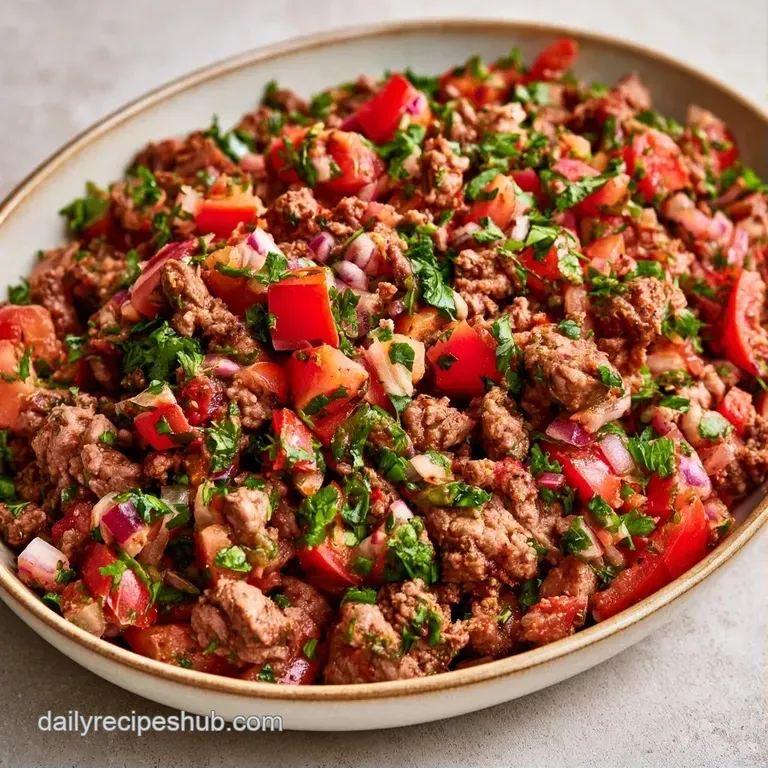
Follow these steps to ensure your Mediterranean Lamb Bowls have that professional sear.
Phase 1: Searing the Spiced Lamb
- Heat olive oil in the skillet over medium high heat until shimmering.
- Add ground lamb, breaking it into large chunks. Let it sit undisturbed for 3-4 minutes until a deep brown crust forms. Note: Resist the urge to stir!
- Stir in the diced onion and cook for 3 minutes until translucent.
- Add garlic, cumin, paprika, cinnamon, salt, and pepper.
- Cook for another 5 minutes until the lamb is fully browned and smells nutty.
- Remove from heat and stir in the lemon juice to brighten the flavors.
Phase 2: Prepping the Fresh Components
- Toss the diced cucumber, cherry tomatoes, and red onion in a mixing bowl. Add a pinch of salt and a squeeze of lemon to keep it crisp.
- Divide the cooked grains equally among four bowls.
- Top the grains with the spiced lamb, fresh cucumber salad, crumbled feta, parsley, a dollop of hummus, and a dollop of tzatziki.
- Drizzle with extra virgin olive oil if desired.
Common Mistakes & Troubleshooting
Even experienced cooks run into issues with Mediterranean Lamb Bowls. Most of these are easy to fix if you know what to look for.
Removing Excess Grease
Lamb releases a lot of fat. If your pan looks like a soup, your meat will boil instead of fry. Don't drain everything, as that fat carries the flavor. Use a spoon to remove about half of the liquid fat before you add the spices. This ensures the lamb fries in a concentrated layer of oil.
Preventing Grainy Meat
If the lamb feels like pebbles, you likely over worked the meat or cooked it on too low a heat. For Mediterranean Lamb Bowls, keep the heat medium high. Let the meat form natural chunks rather than smashing it into a fine paste.
Balancing Heavy Flavors
If the dish tastes too "gamey" or heavy, you need more acid. Stir in an extra teaspoon of lemon juice or add a few more pickled red onions. The acid breaks down the perception of fat on your tongue.
Freezing and Reheating Guide
Preparing Mediterranean Lamb Bowls for the week is easy, but avoid storing the complete bowl as one unit.
The cooked lamb and grains will stay fresh in sealed containers in the refrigerator for 3-4 days. Keep the chopped vegetables, hummus, and tzatziki in separate containers; mixing them too soon allows the salt in the salad to release moisture, which makes the grains soggy.
The lamb can be frozen for up to 2 months just thaw it in the fridge overnight. To reheat, use a skillet on a medium setting and stir in a little water to restore the moisture. Do not microwave the tzatziki or fresh vegetables.
If you're prepping a large batch, you might prefer these Greek Lamb Meatballs, as they freeze and reheat even better than ground crumbles.
To cut down on waste, save your onion skins and parsley stem ends in a freezer bag to make a quick vegetable stock later.
Dietary Adaptations
These Mediterranean Lamb Bowls are flexible. You can tweak them based on your diet without losing the spirit of the dish.
For a low carb or keto version, skip the rice and quinoa. Use a bed of baby spinach or cauliflower rice. The lamb and fats are already keto friendly, so this is a simple swap.
If you need a dairy-free version, omit the feta and swap the tzatziki for a cashew based yogurt or a tahini dressing. Tahini provides a similar creaminess and nutty flavor that pairs well with the cinnamon in the lamb.
For those who find lamb too strong, ground turkey is a great alternative. Since turkey is leaner, add an extra tablespoon of olive oil to the pan to prevent the meat from sticking. If you're looking for another fresh side to round out the meal, my Cucumber Tomato Salad is a great fit.
Presentation Tips
How you plate Mediterranean Lamb Bowls changes the experience.
For a casual dinner, use wide, shallow bowls. Place the grains at the bottom and arrange the lamb and vegetables in distinct piles on top. This looks better and allows guests to mix their own bites. Add the dollops of hummus and tzatziki last so they stay clean and white.
If you're serving a crowd, try the platter style. Spread the grains across a large wooden board or tray. Place the spiced lamb in the center and surround it with bowls of cucumber salad, feta, and sauces. Put warm pita bread on the side. This turns the meal into a social experience.
For meal prep, use glass containers with dividers. Put the lamb in the largest section and the grains in the next. Keep the cold toppings in a small separate container or a silicone cupcake liner to prevent them from touching the meat until you're ready to eat.
| Method | Best For | Result |
|---|---|---|
| Stovetop | Weeknight dinner | Deepest crust, fastest cook |
| Oven | Large groups | Hands off, uniform browning |
Debunking Kitchen Myths
There are a few misconceptions about making Mediterranean Lamb Bowls that often hold people back.
One common myth is that lamb is always "gamey." In reality, the strong taste usually comes from poor quality meat or under seasoning. Using a blend of cumin and cinnamon masks the funk and highlights the richness.
Some believe you need expensive saffron to get an authentic flavor. You don't. Smoked paprika and cumin provide the same earthy depth and color without the high price tag.
Another myth is that you should sear meat to "seal in the juices." This isn't how it works. Searing is about flavor, not moisture. The crust adds a savory layer that makes Mediterranean Lamb Bowls taste more complex.
In short, don't let these myths intimidate you. Focus on the heat of your pan and the freshness of your toppings. These Mediterranean Lamb Bowls are about balance, not perfection. Trust your senses. If the lamb smells nutty and the vegetables crack when you bite into them, you've done it right.
Now, get in the kitchen and start searing.
High in Sodium
1045 mg 1,045 mg of sodium per serving (45% 45% of daily value)
The American Heart Association recommends a limit of 2,300 mg of sodium per day for most adults to maintain heart health.
Tips to Reduce Sodium
-
Reduce Added Salt-25%
Eliminate or halve the 1/2 tsp of salt; rely on the lemon juice and spices to provide the necessary flavor profile.
-
Low-Sodium Sauces-20%
Substitute the classic hummus and tzatziki with low-sodium versions or make them at home without added salt.
-
Limit Feta Cheese-15%
Reduce the amount of crumbled feta by half or soak the feta in water before using to leach out excess salt.
-
Enhance with Fresh Herbs
Increase the amount of fresh parsley or add fresh mint and dill to boost flavor without adding any sodium.
Recipe FAQs
How to brown ground lamb for a deep crust?
Heat olive oil in the skillet over medium high heat until shimmering. Let the meat sit undisturbed for 3-4 minutes to develop a brown sear before breaking it into chunks.
Is it true that ground lamb can be served medium rare?
False. Ground meat must be fully browned and cooked through to be safe. Stir the meat for about 5 minutes after adding spices until it is thoroughly done.
What can I do with leftover spiced lamb?
Use the remaining meat to fill pita wraps or top a fresh salad. It stays flavorful and pairs perfectly with extra dollops of hummus.
Can I replace the lamb with another protein?
Use a leaner protein for a different flavor profile. If you prefer seafood, this meal shares the same balanced grain structure as our one pan salmon recipe.
Why is lemon juice added after cooking?
The acid brightens the rich flavors of the lamb and feta. Stirring it in after removing the pan from heat preserves the fresh citrus notes.
Mediterranean Lamb Bowls