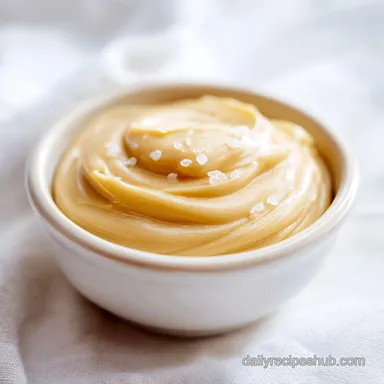
Honey Butter: Silky and Whipped
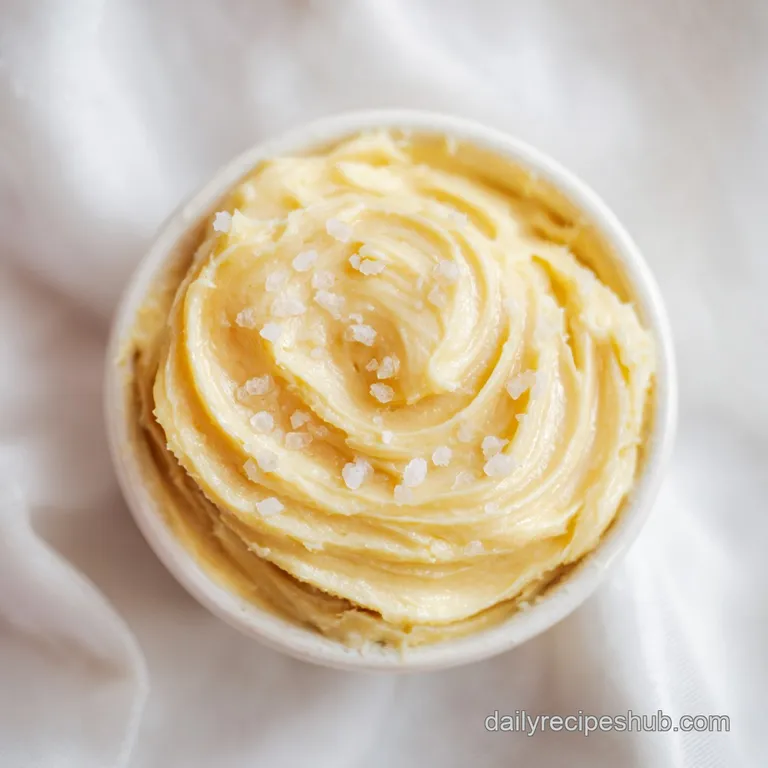
- Time:5 minutes active + 0 minutes chilling = Total 5 minutes
- Flavor/Texture Hook: Airy, pale gold, and silky smooth
- Perfect for: Warm biscuits, cornbread, or holiday brunch rolls
- Simple Honey Butter Recipe
- Secrets Of The Texture
- The Component Analysis
- The Must Have Ingredients
- Essential Kitchen Tools
- Step By Step Method
- Fixing Common Issues
- Troubleshooting Common Issues
- Fun Flavor Variations
- Scaling Your Batch
- Butter Myths
- Storage And Waste
- Best Serving Ideas
- Recipe FAQs
- 📝 Recipe Card
Imagine the scent of warm, toasted brioche filling the kitchen, with a slab of butter slowly melting into every nook and cranny. I used to just swirl a bit of honey onto my toast, but it was always a mess, with sticky pockets of syrup and cold chunks of butter. It felt disjointed, not cohesive.
Then I realized that the magic happens when you treat butter like a frosting. I remember the first time I actually whipped the honey into the fat using a mixer. The color shifted from a deep yellow to this gorgeous, pale gold, and the texture became so light it almost floated. It changed the way I look at condiments.
This honey butter recipe isn't about complex techniques, it's about the movement of the air. You'll get a spread that is velvety and rich without being overly greasy. It's a quick win that makes you look like a pro with almost zero effort.
Simple Honey Butter Recipe
The beauty of this spread is that it bridges the gap between a savory butter and a sweet jam. When you whip it, you're not just mixing; you're creating a structure. It transforms from a dense fat into something that feels like a cloud of sweetness.
I've found that the secret is in the temperature. If the butter is too cold, you get lumps. If it's too hot, it collapses into a liquid. You want that specific, pliable state where it yields to your finger but still holds its shape.
Once you have this in your fridge, you'll find yourself putting it on everything. It's a staple for me now, especially during the winter when everything needs a bit more warmth and richness.
Secrets Of The Texture
To get that specific airy feel, we have to rely on a few basic principles. Here is why this method beats just stirring with a fork.
- Air Integration: Beating the butter traps millions of tiny air bubbles. This makes the final result feel velvety rather than heavy.
- Mechanical Emulsion: Honey is mostly sugar and water, while butter is fat. High speed mixing forces these two to bond, so the honey doesn't just leak out of the butter.
- Temperature Stability: Keeping the butter around 18°C-21°C (65°F-70°F) allows the fat to hold the air bubbles without melting, according to guidelines on Serious Eats regarding fat temperatures.
- Salt Contrast: A tiny bit of sea salt cuts through the cloying sweetness of the honey, making the flavor taste more balanced and rich.
| Method | Time | Texture | Best For |
|---|---|---|---|
| Stirred | 1 min | Dense & Oily | Melting on hot corn |
| Whipped | 5 min | Airy & Cloudy | Spreading on biscuits |
But what about the stability? If you whip it too long, the butter can actually break and become greasy. The goal is that "soft peak" look, where the butter holds a slight curl at the end of the beaters.
The Component Analysis
Before we dive in, it's helpful to understand what each part is doing. This isn't just a list; it's a balance of flavor and function.
| Ingredient | Science Role | Pro Secret |
|---|---|---|
| Unsalted Butter | Structural Base | Use high fat European style for a silkier feel |
| Honey | Sweetener/Humectant | Use clover honey for a mild, floral note |
| Sea Salt | Flavor Amplifier | Use fine grains so you don't get "salt hits" |
When you combine these, the honey actually helps keep the butter from feeling too "waxy" on the palate. It adds a layer of moisture that carries the salt and the creaminess across your tongue more effectively.
The Must Have Ingredients
Right then, let's get your station ready. You only need three things, but the quality of each one really matters here.
- 1/2 cup unsalted butter, softened to room temperature Why this? Provides the creamy, airy structure (Substitute: Salted butter, but omit the added salt)
- 1/4 cup honey Why this? Adds floral sweetness and moisture (Substitute: Maple syrup, though it's thinner)
- 1/4 tsp fine sea salt Why this? Balances the sugar (Substitute: Table salt)
Essential Kitchen Tools
You can do this by hand, but if you want that velvety texture, a machine is your best friend.
- Medium mixing bowl
- Hand mixer or stand mixer (something like a KitchenAid works great)
- Rubber spatula for scraping the sides
- Glass jar for storage
Step by step Method
Let's crack on. Follow these steps exactly to ensure you don't end up with a separated mess.
- Ensure the unsalted butter is at room temperature (approx. 18°C-21°C) and pliable to the touch. Note: Cold butter will cause the honey to clump.
- Place the softened butter, honey, and fine sea salt into a medium mixing bowl.
- Using a hand mixer or stand mixer on a low setting, mix for 30 seconds until the ingredients form a coarse, pale gold paste.
- Increase the mixer speed to medium high and beat for 2–3 minutes until the texture is airy, fluffy, and resembles soft peak meringue.
- Stop the mixer immediately once it looks like a cloud. Note: Over mixing can make it greasy.
- Use a rubber spatula to fold in any unmixed butter from the sides of the bowl.
- Transfer the mixture into a glass jar.
- Smooth the top with a spoon for a clean finish.
Fixing Common Issues
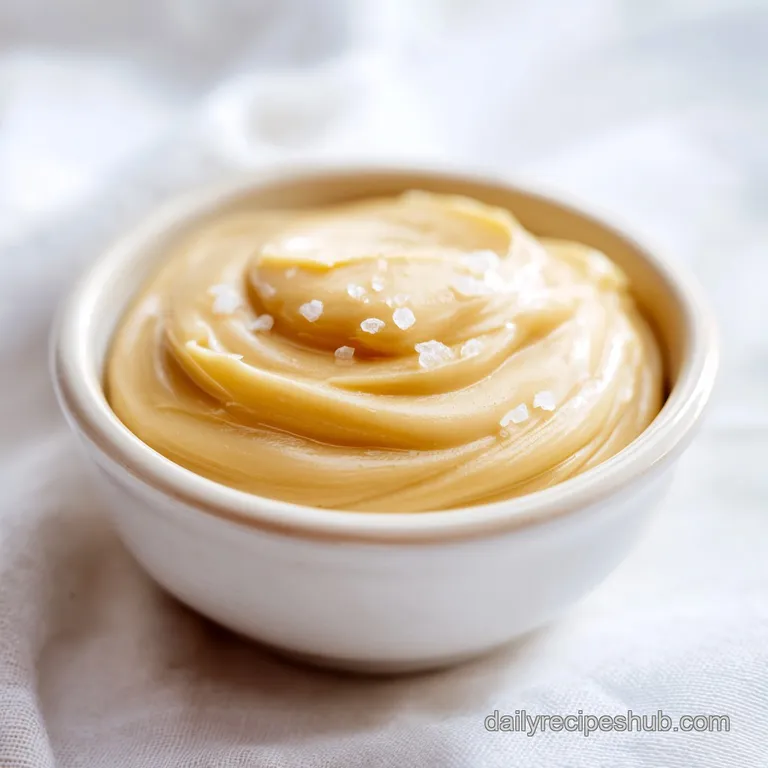
Even with a simple honey butter recipe, things can go sideways. Usually, it comes down to temperature or timing.
Troubleshooting Common Issues
| Issue | Solution |
|---|---|
| Why Your Butter Separated | If the butter and honey look like they are fighting and won't merge, your butter was likely too cold. The fat can't trap the honey if it's too rigid. |
| Why It's Too Runny | This happens if the butter was too soft or even melted. Once butter hits a certain temperature, it loses its ability to hold air, resulting in a liquid sauce instead of a spread. |
| Why It Feels Gritty | This is usually caused by the salt not being fully incorporated or using a coarse salt that doesn't dissolve in the fat. |
Common Mistakes Checklist
- ✓ Checked that butter is pliable, not melted
- ✓ Started mixing on low speed to avoid splashing
- ✓ Stopped whipping as soon as it turned pale gold
- ✓ Used fine salt to avoid graininess
Fun Flavor Variations
Once you have the base down, you can get really creative. I love making different batches for different moods.
For a cozy vibe, try a cinnamon honey butter by adding 1/2 tsp of ground cinnamon during the medium high beating phase. It's incredible on warm rolls. If you want something a bit more "adult," grate in some fresh lemon zest or a pinch of cardamom.
If you're in the mood for something even more decadent, you could drizzle some homemade caramel sauce over your toast before adding a dollop of this honey butter. It's a total sugar bomb, but honestly, who cares?
Scaling Your Batch
Making a double or triple batch is easy, but don't just multiply everything blindly if you're going huge.
- Scaling Down (½): Use 1/4 cup butter and 2 tbsp honey. Use a smaller bowl, as the beaters need to reach the bottom to move the ingredients.
- Scaling Up (2x-4x): Increase ingredients proportionally. Work in batches if your bowl is too small, otherwise, the butter at the bottom won't get aerated.
- Pro Tip: When doubling, I find adding slightly less salt (about 1.5x instead of 2x) keeps the flavor more subtle.
Butter Myths
Let's clear some things up. I've heard a lot of weird advice about compound butters.
Myth: You need to melt the butter to mix in honey. Truth: Melting the butter destroys the air pockets. You'll get a syrup, not a whipped spread. Stick to room temperature.
Myth: Salt ruins the sweetness. Truth: Salt actually makes the honey taste "more like honey" by suppressing bitterness and enhancing the floral notes.
Storage And Waste
Keep your spread in an airtight glass jar in the fridge. It'll stay fresh for about 2 weeks. If you're feeling fancy, you can freeze it for up to 3 months. Just let it thaw in the fridge overnight before using.
To avoid waste, don't throw away the butter wrapper. If there's a bit of residue left, use it to grease a small baking pan or rub it on a piece of parchment paper for a tiny snack.
Also, if you have leftover honey in the jar that's crystallized, just warm the jar in hot water to make it liquid again for your next batch.
Best Serving Ideas
This is where the fun begins. While it's a classic for cornbread, don't stop there. I love it on thick slices of sourdough that have been seared in a pan until they're golden and crisp.
If you're hosting a brunch, put it out with a variety of warm breads. It's a great companion to other sweet treats; for instance, if you're serving a cookie dough dip as a dessert, this honey butter works as a lighter, sophisticated contrast.
For a savory twist, try it on roasted carrots or parsnips. The sweetness of the honey butter complements the earthiness of the root vegetables, creating a velvety glaze that's simply irresistible.
Recipe FAQs
How is honey butter made?
Whip room temperature unsalted butter, honey, and fine sea salt together. Mix on low for 30 seconds, then beat on medium high for 2 3 minutes until the texture is airy and fluffy.
What's the ratio for honey butter?
Use a 2:1 ratio of butter to honey. For this recipe, combine 1/2 cup of softened butter with 1/4 cup of honey and a pinch of salt.
What is in Texas Roadhouse honey butter?
It is a blend of softened butter, honey, and salt. The signature fluffy consistency comes from whipping these ingredients until they resemble a soft peak meringue.
What makes honey butter so good?
The emulsion of fat and sugar creates a luxurious mouthfeel. Incorporating air during the whipping process lightens the butter, allowing the honey flavor to taste more vibrant.
Why did my honey butter separate?
Your butter was likely too cold. When the butter is too rigid, the fat cannot trap the honey, causing the mixture to break instead of merging.
Can I use salted butter instead of unsalted?
Yes, but omit the added sea salt. This keeps the flavor balanced without becoming overly salty. If you enjoy these sweet savory profiles, try our cinnamon honey butter variation.
How long does honey butter stay fresh in the fridge?
It lasts about 2 weeks. Store the spread in an airtight glass jar to prevent it from absorbing other refrigerator odors.
Whipped Honey Butter Recipe