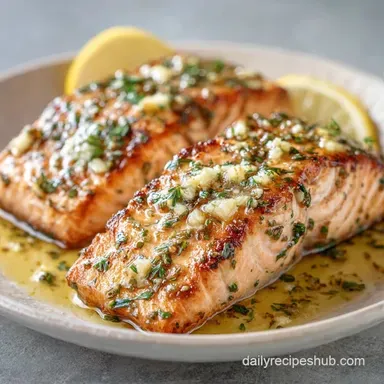
15-Minute Garlic Butter Salmon: Pan-Seared
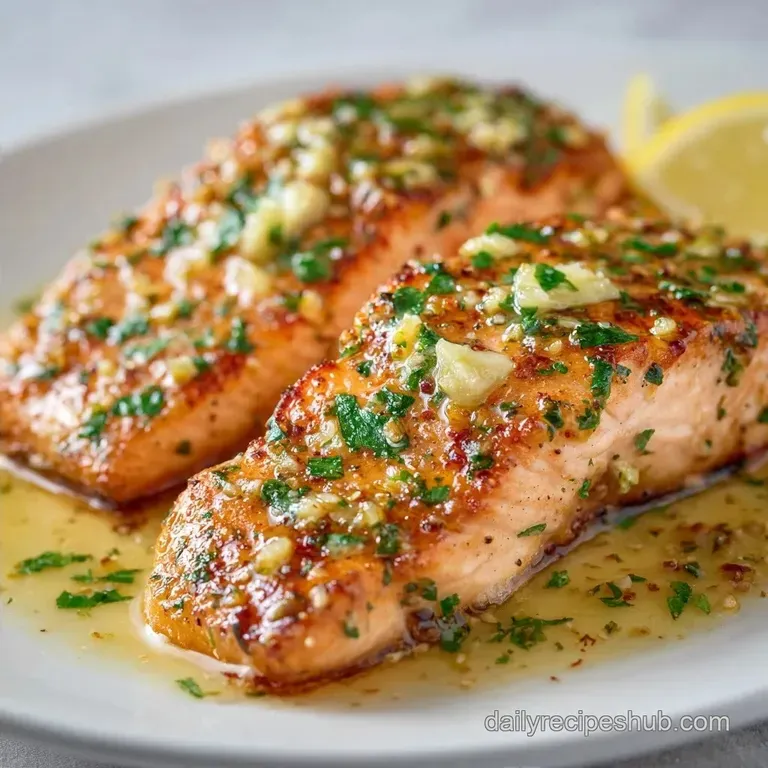
- Time: 5 min active + 10 min cook
- Flavor/Texture Hook: Velvety garlic butter with a shatter crisp sear
- Perfect for: Fast weeknight dinner or an impressive date night
- 15 Minute Salmon Dinner with Garlic Butter
- Why the Sear Matters
- The Butter Breakdown
- Getting the Essentials Ready
- The Right Tools
- Steps to a Great Sear
- Fixing Common Salmon Mistakes
- Making Easy Swaps
- Adjusting the Portion Size
- Busting Common Seafood Myths
- Storage and Scrap Ideas
- Best Ways to Serve
- Recipe FAQs
- 📝 Recipe Card
That sharp, aggressive sizzle when the salmon hits the hot oil is the best part of the whole process. I remember one Tuesday where I was absolutely exhausted, stared at a couple of fillets in the fridge, and decided I didn't want another boring steamed piece of fish.
I cranked up the heat, threw in a massive knob of butter, and the whole kitchen suddenly smelled like a high end steakhouse.
It's the kind of meal that feels like you spent an hour on it, but you're actually done before the oven would have even preheated. Try this 15 Minute Salmon Dinner with Garlic Butter for a quick and delicious weeknight meal.
It’s straightforward, uses a handful of pantry staples, and doesn't require any fancy equipment other than a pan that can take the heat.
15 Minute Salmon Dinner with Garlic Butter
Right then, let's get into why this actually works. Most people struggle with salmon because it goes from "raw" to "dry cardboard" in about thirty seconds. The trick is the combination of a hard sear and a butter baste.
By searing the top first, you build a flavor crust, and by basting at the end, you gently push heat into the sides of the fillet while coating it in fat.
You don't need to be a pro to get this right. You just need to trust the timer and the visual cues. I've seen too many people move the fish around the pan, which just ruins the crust. Leave it alone for those first few minutes.
Trust me on this, the fish will actually "release" itself from the pan once the crust is set.
Why the Sear Matters
Instead of a long bake, we're using high heat to get the job done fast. This keeps the inside tender while the outside gets a deep, savory color.
- Surface Moisture: Water is the enemy of a sear. Getting the fillets bone dry ensures they fry instead of steam.
- Fat Conductivity: Butter carries the garlic flavor into every nook of the fish and distributes heat more evenly than oil alone.
- Acid Balance: The lemon juice cuts through the richness of the butter, brightening the whole dish so it doesn't feel too heavy.
- Carryover Heat: Salmon keeps cooking after you take it off the heat. Pulling it slightly early prevents that white albumin (the white gunk) from leaking out.
| Method | Time | Texture | Best For |
|---|---|---|---|
| Pan Sear | 15 mins | Crispy crust, moist center | Weeknights |
| Oven Baked | 20 mins | Uniformly soft | Large groups |
| Air Fryer | 12 mins | Slightly drier edges | Single servings |
The Butter Breakdown
I like to look at the ingredients not just as a list, but as tools. Each one has a specific job to do in the pan.
| Ingredient | Science Role | Pro Secret |
|---|---|---|
| Salmon | Protein/Fat Base | Use room temp fillets for even cooking |
| Unsalted Butter | Flavor/Heat Medium | Add at the end to prevent burning |
| Lemon Juice | pH Balancer | Squeeze fresh; bottled stuff is too bitter |
| Garlic | Aromatic | Mince finely so it doesn't burn instantly |
Getting the Essentials Ready
For the salmon, I prefer center cut fillets. They have a consistent thickness, which means every piece finishes cooking at the exact same time. If you have a piece that's thick on one end and thin on the other, the thin end will be overdone by the time the center is ready.
If you're on a budget, frozen fillets work just fine, but you have to thaw them completely in the fridge overnight. If you try to sear a partially frozen fillet, the outside will burn while the inside stays icy.
Honestly, don't even bother with low-fat butter substitutes here; the fat is what gives you that velvety finish.
- 4 salmon fillets, 6 oz each Why this? Consistent size ensures even cooking
- 1 tbsp avocado oil Why this? High smoke point prevents burnt oil smell
- 1/2 tsp kosher salt Why this? Larger grains are easier to control
- 1/4 tsp cracked black pepper Why this? Fresh crack adds a woody heat
- 4 tbsp unsalted butter Why this? Allows you to control the salt level
- 3 cloves garlic, minced Why this? Fresh garlic tastes sweeter when sautéed
- 1 tbsp fresh lemon juice Why this? Essential for cutting through the butter
- 1 tsp fresh parsley, chopped Why this? Adds a pop of color and freshness
- 1/4 tsp red pepper flakes Why this? Subtle warmth without being "spicy"
The Right Tools
You really want a 12 inch cast iron skillet for this. Cast iron holds heat way better than stainless steel or non stick, which is how you get that mahogany crust. If you don't have one, a heavy stainless steel pan works, but keep a close eye on the heat so the fish doesn't stick.
Avoid non stick pans if you can. They can't handle the high heat needed for a proper sear, and the coatings can degrade if you crank the stove to medium high. A good fish spatula is also a lifesaver here, as it lets you get under the fillet without breaking the crust.
Steps to a Great Sear
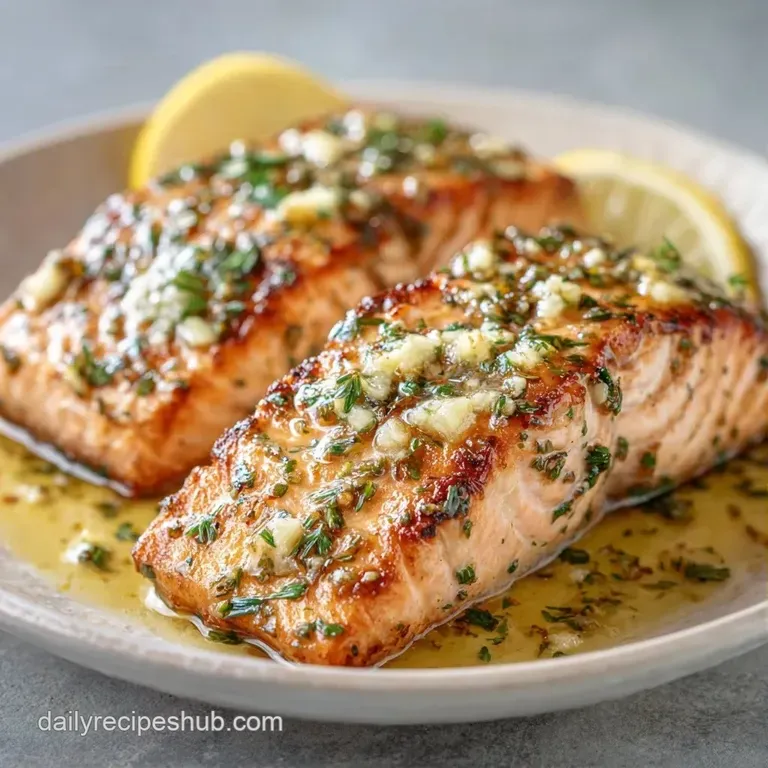
Let's get cooking. Keep your ingredients prepped and ready to go because once that oil is hot, things move quickly.
- Pat the salmon fillets bone dry with paper towels on all sides and season generously with salt and pepper. Note: Damp fish will steam and won't brown
- Heat avocado oil in a 12 inch cast iron skillet over medium high heat until it shimmers.
- Place salmon skin side up, pressing down lightly with a spatula for 10 seconds. Sear for 4-5 minutes without moving until a mahogany crust forms, then flip the fillets. until the crust is dark brown and releases easily
- Reduce heat to medium and add the unsalted butter to the pan.
- Once foaming, add minced garlic and red pepper flakes; sauté for 60 seconds until fragrant.
- Squeeze in the lemon juice and stir.
- Use a spoon to continuously baste the bubbling lemon garlic butter over the salmon for the final 2-3 minutes of cooking. until the fish is opaque and flakes easily with a fork
- Remove from pan and garnish with fresh parsley.
Chef's Note: To get a truly professional finish, tilt the pan slightly so the butter pools at the bottom. This allows you to scoop up a deeper layer of foaming butter to pour over the fish.
Fixing Common Salmon Mistakes
The most common issue is the "stuck fish" syndrome. This usually happens because the pan wasn't hot enough or the fish was put in too early. If you try to force it off the pan, you'll rip the crust right off. Just wait another 30 seconds; it'll let go when it's ready.
Another big one is the garlic burning. Garlic has a low burn point, which is why we add it only after the fish is flipped and the heat is lowered. If the garlic turns dark brown or black, it becomes bitter and will ruin the sauce.
Why Your Salmon Sticks
If the fish clings to the pan, the proteins haven't fully browned yet. According to Serious Eats, creating a proper crust requires a consistent temperature that allows the proteins to denature and release.
| Problem | Root Cause | Solution |
|---|---|---|
| Fish sticks to pan | Pan not hot enough | Wait for oil to shimmer before adding fish |
| Garlic tastes bitter | Overcooked garlic | Add garlic only after reducing heat to medium |
| Dry/Rubbery texture | Overcooked center | Pull fish at 130°F (54°C) for medium rare |
Quick Checklist for Success:
- ✓ Fillets are patted completely dry
- ✓ Oil is shimmering before the fish hits the pan
- ✓ Heat is lowered before adding butter and garlic
- ✓ Fish is not moved for the first 4 minutes
Making Easy Swaps
If you don't have avocado oil, grapeseed oil is a great alternative because it also has a high smoke point. Avoid extra virgin olive oil for the initial sear, as it can smoke and turn acrid at medium high temperatures. If you're really craving something different, you can use this same butter basting method for a Sautéed Canned Salmon Recipe for a budget friendly twist.
For those avoiding dairy, you can swap the butter for a vegan butter stick or a mixture of olive oil and a pinch of nutritional yeast. You'll lose some of that creamy mouthfeel, but the garlic and lemon will still carry the dish.
| Original Ingredient | Substitute | Why It Works |
|---|---|---|
| Avocado Oil | Grapeseed Oil | Similar high smoke point. Note: Neutral flavor |
| Unsalted Butter | Vegan Butter | Similar fat structure. Note: May brown faster |
| Fresh Parsley | Fresh Chives | Similar herbal note. Note: Adds a slight onion flavor |
If you find yourself with leftover salmon, don't let it go to waste. You can flake it into a binder and make some Salmon Patties the next day for a great lunch.
Adjusting the Portion Size
When you're cooking for just yourself, you can use a smaller 8 inch skillet. Just be careful not to over reduce the butter sauce, as it will evaporate faster in a smaller pan. You can reduce the cooking time by about 1-2 minutes since there's less mass in the pan to absorb the heat.
If you're feeding a crowd, do not crowd the pan. If you put 8 fillets in a 12 inch skillet, the temperature will drop, and you'll end up steaming the fish instead of searing it. Work in batches. Cook four, set them on a plate, and then do the next four.
It takes a few extra minutes, but it's the only way to keep that crust.
Busting Common Seafood Myths
You've probably heard that searing meat or fish "locks in the juices." This isn't actually true. Searing creates a crust for flavor and texture, but moisture loss happens regardless of how you start the cook. The "juiciness" comes from not overcooking the internal temperature.
Another myth is that you should always cook salmon until it's opaque all the way through. In reality, salmon is often better and more tender when served medium rare, with a slightly translucent center.
Storage and Scrap Ideas
Store any leftovers in an airtight container in the fridge for up to 3 days. When reheating, avoid the microwave if possible, as it will make the salmon rubbery. Instead, put it in a pan over low heat with a tiny bit of butter just to warm it through.
Don't toss the lemon scraps! If you have leftover lemon rinds, zest them into your salt cellar for a lemon salt blend, or throw them in a freezer bag with other citrus peels to make a homemade cleaner later. According to USDA food safety guidelines, cooked fish should be chilled quickly to maintain quality.
Best Ways to Serve
This dish is rich, so you want sides that offer a bit of acidity or crunch. I love serving this with a pile of garlicky sautéed spinach or some roasted asparagus. If you want something heartier, a scoop of fluffy quinoa or wild rice works well to soak up the extra garlic butter.
For a "Bistro" style plate, serve the salmon over a bed of arugula with a squeeze of fresh lemon and a sprinkle of flaky sea salt. The peppery greens cut right through the butter sauce, making the whole meal feel lighter. If you're feeling fancy, a side of roasted fingerling potatoes finishes the plate perfectly.
Recipe FAQs
Is 15 minutes enough to cook salmon?
Yes, it is plenty of time. Searing for 4-5 minutes and basting for 2-3 minutes ensures a mahogany crust and tender interior.
Can I cook salmon with butter and garlic?
Yes, this is a classic pairing. Sautéing minced garlic in foaming butter for 60 seconds creates a rich, aromatic sauce for basting.
How to cook salmon for diabetics?
Focus on healthy fats and lean protein. Use the avocado oil for searing and pair the fillets with a summer salad to balance the meal with fresh nutrients.
Is grilled salmon good for high blood pressure?
Yes, it is generally beneficial. Salmon provides omega-3 fatty acids, which support cardiovascular health when prepared with minimal added sodium.
Does all salmon release albumin?
Yes, this is a natural occurrence. The white protein that seeps out is simply albumin, which occurs when the muscle fibers contract during heating.
How to prevent salmon from drying out?
Pat the fillets bone dry and monitor cooking time. Removing surface moisture prevents steaming, while basting with lemon garlic butter keeps the fish moist during the final minutes.
Is it true that I should start with cold salmon fillets?
No, this is a common misconception. Bringing fillets closer to room temperature allows for a more even cook and a better mahogany crust.
15 Minute Garlic Butter Salmon