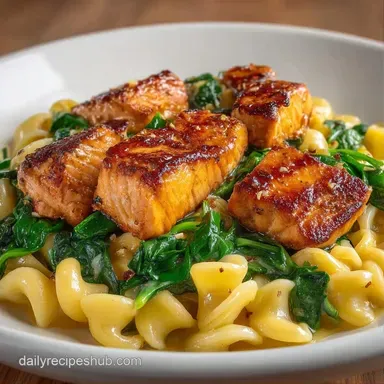
Lemon Salmon Pasta Dinner: Creamy and Fresh
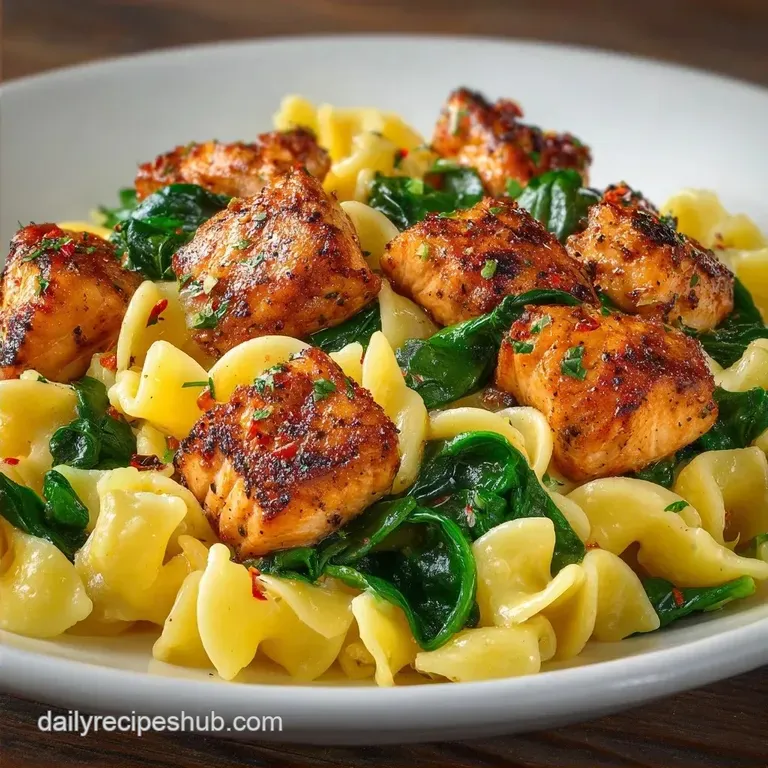
- Time: 15 min active + 15 min cook
- Flavor/Texture Hook: Velvety cream sauce with seared, tender salmon
- Perfect for: Weeknight dinner that feels fancy
- Quick Lemon Salmon Pasta Dinner
- The Secret to Silky Sauce
- Understanding the Ingredients
- Essential Kitchen Gear
- The Cooking Process
- Avoiding Common Mistakes
- Troubleshooting Common Issues
- Dietary Swaps and Options
- Adjusting the Portion Size
- Truth About Cooking Myths
- Storage and Waste Tips
- Plating and Serving
- Recipe FAQs
- 📝 Recipe Card
The smell of searing salmon and fresh lemon hits the air, and suddenly your kitchen feels like a bistro. I remember the first time I tried making this. I rushed the salmon, overcooked it into rubbery cubes, and the sauce broke into a greasy mess. It was a disaster, but it taught me that timing is everything here.
You can't just throw things in the pan and hope for the best.
You need a flow. The salmon needs its own space to get that golden crust, and the pasta needs to be timed so it doesn't sit and get gummy while you're fiddling with the cream. This recipe isn't about complex techniques, it's about the order of operations.
Once you get the rhythm down, this Lemon Salmon Pasta Dinner becomes a go to. It’s the kind of meal that looks like you spent two hours in the kitchen, but you actually just used one pan and a pot of boiling water. Let's get into how to do it right.
Quick Lemon Salmon Pasta Dinner
The magic here happens when the acidity of the lemon cuts through the fat of the heavy cream and the butter. Without that lemon, it's just a heavy pasta dish. With it, you get a bright, zingy flavor that makes the salmon pop.
I've found that using both the zest and the juice is the only way to get that layered citrus taste.
I used to think I needed fancy cookware for this, but a basic non stick skillet does the job perfectly. The key is getting the oil shimmering hot before the fish hits the pan. If the pan is too cold, the salmon sticks and steams instead of searing, and you lose that beautiful golden edge.
Trust me on the spinach. It might seem like an afterthought, but the earthy bitterness of the baby spinach balances the richness of the parmesan. It also adds a splash of color that makes the plate look a lot more professional.
The Secret to Silky Sauce
Starch Emulsion: Pasta water contains released starches that act as a bridge between the fats in the butter and the water based lemon juice. This prevents the sauce from separating and helps it cling to the noodles. According to Serious Eats, this "liquid gold" is what transforms a thin sauce into a velvety glaze.
Fat Balance: Combining butter, cream, and parmesan creates a stable emulsion of fats. The lemon juice provides an acidic counterpoint that prevents the dish from feeling too heavy on the palate.
Temperature Control: Simmering the cream gently rather than boiling it prevents the proteins from tightening too quickly. This keeps the texture smooth and prevents the sauce from curdling when the lemon juice is added.
Residual Heat: Salmon cubes are small and cook fast. Removing them from the pan while they are slightly translucent in the center allows them to finish cooking in the sauce without becoming dry.
| Method | Time | Texture | Best For |
|---|---|---|---|
| Fresh Salmon | 15 mins | Tender, flaky | Gourmet dinner |
| Frozen Fillets | 20 mins | Softer, more moist | Budget weeknight |
| Canned Salmon | 10 mins | Flaked, rustic | Pantry meal |
If you're looking for something even more indulgent, my creamy salmon pasta sauce guide offers a deeper dive into different cream bases.
Understanding the Ingredients
| Ingredient | Science Role | Pro Secret |
|---|---|---|
| Heavy Cream | Base Emulsifier | Use full fat to avoid splitting |
| Lemon Juice | Flavor Balancer | Freshly squeezed only; bottled is too bitter |
| Parmesan | Salt & Thickener | Grate it yourself for a smoother melt |
| Pasta Water | Binding Agent | Reserve it before draining the pasta |
For the Protein
1.5 lbs fresh skin on salmon, cut into 2 inch cubes Why this? Consistent size ensures even cooking 2 tbsp olive oil Why this? High smoke point for searing Salt to taste Black pepper to taste
For the Pasta & Greens
1 lb dried fettuccine or linguine pasta Why this? Wide noodles hold the heavy sauce 3 cups fresh baby spinach Why this? Wilts quickly and adds nutrition 1 cup reserved pasta water Why this? The secret to the sauce's thickness
For the Lemon Garlic Butter Sauce
4 tbsp unsalted butter Why this? Adds a rich, nutty depth 4 cloves garlic, minced Why this? Aromatic base for the sauce 1 cup heavy cream Why this? Provides the velvety body 1/4 cup fresh lemon juice Why this? Brightens the whole dish 1 tbsp lemon zest Why this? Concentrated citrus oils for aroma 1/2 cup freshly grated parmesan cheese Why this? Adds saltiness and "cling"
Essential Kitchen Gear
You don't need a professional kitchen for this. A large non stick skillet is your best friend here. It allows you to sear the fish and then build the sauce in the same pan, which means you're capturing all those browned bits of salmon (the fond) that add a massive amount of flavor to the sauce.
For the pasta, any large pot will work. I suggest using a colander that you can set aside, but remember to dip a measuring cup into the pot to save that pasta water before you dump the noodles. If you forget this step, you'll have to boil a separate pot of water just to get the starch, which is a pain.
A sharp chef's knife is important for the salmon. You want clean, 2 inch cubes. If they are jagged or different sizes, the small ones will overcook while the big ones stay raw. Also, a microplane or a fine grater for the lemon zest and parmesan is highly recommended.
Pre grated cheese is coated in cellulose to prevent clumping, which can make your sauce feel gritty.
The Cooking Process
Right then, let's get to the actual cooking. The goal is to keep everything moving so the pasta doesn't get cold while the sauce finishes.
Phase 1: Searing the Salmon
- Pat the salmon cubes dry with paper towels. Note: Moisture on the surface creates steam, which prevents a golden crust.
- Heat olive oil in a large non stick skillet over medium high heat.
- Once shimmering, add the salmon and cook for 2-3 minutes per side until golden brown but slightly translucent in the center.
- Remove fish to a plate and set aside.
Phase 2: Building the Sauce Base
- In the same pan, melt the unsalted butter.
- Add the minced garlic and sauté for 1 minute until fragrant and soft.
- Pour in the heavy cream and bring to a gentle simmer for 3-5 minutes until the sauce slightly thickens.
Phase 3: The Final Emulsion
- Stir in the lemon juice, lemon zest, and grated parmesan cheese.
- Add the baby spinach and stir until just wilted.
- Add the cooked pasta and a splash of the reserved pasta water to the skillet. Toss continuously until the sauce is velvety and clings to the pasta.
- Fold the seared salmon back into the pan and serve immediately.
Chef's Note: Be gentle when folding the salmon back in. If you stir too aggressively, the cubes will break apart, and you'll end up with flakes of fish throughout the sauce rather than distinct, juicy chunks.
Avoiding Common Mistakes
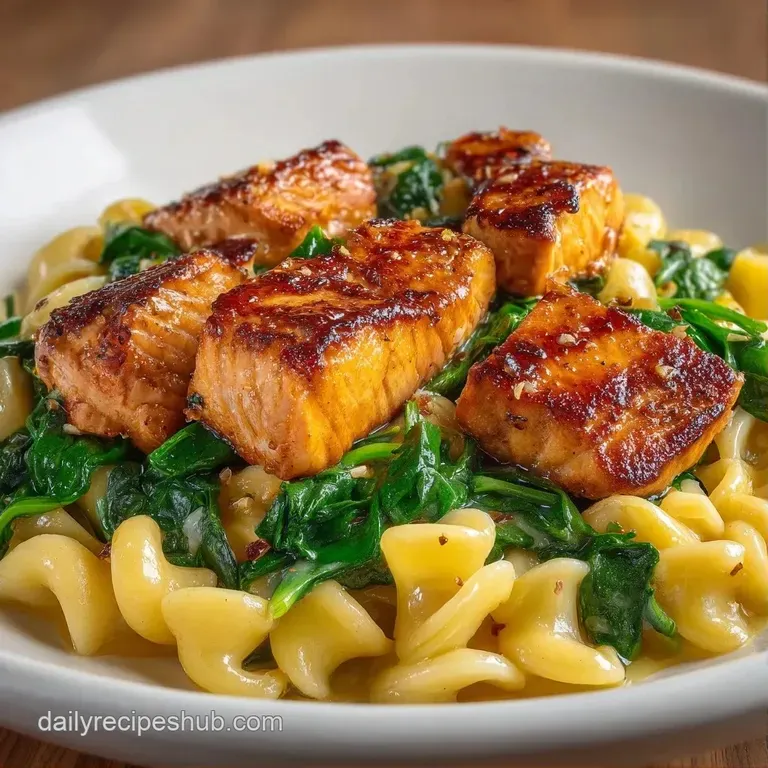
One of the biggest hurdles with a Lemon Salmon Pasta Dinner is the sauce consistency. If it's too thin, the flavors feel disconnected. If it's too thick, it becomes a glob of cream. The balance comes from the pasta water.
Troubleshooting Common Issues
| Issue | Solution |
|---|---|
| Why Your Sauce Curdled | This usually happens if the heat is too high when you add the lemon juice. The acid can cause the proteins in the cream to clump together. |
| Why the Salmon is Dry | Overcooking is the enemy. Remember that the salmon continues to cook after it leaves the pan (carryover cooking). |
| Why the Pasta is Mushy | Overboiling your noodles is a common slip. Always cook your pasta 1-2 minutes less than the package directions. |
Common Mistakes Checklist
- ✓ Did you pat the salmon dry before searing?
- ✓ Did you reserve the pasta water before draining?
- ✓ Did you grate your own parmesan cheese?
- ✓ Did you remove the salmon before it was fully cooked through?
- ✓ Did you simmer the cream gently instead of boiling it?
Dietary Swaps and Options
Depending on who you're feeding, you might need to pivot. This recipe is quite rich, so there are several ways to lighten it up or make it accessible for different diets.
Want a Healthy Lemon Salmon Pasta?
You can swap the heavy cream for a mixture of Greek yogurt and a bit of pasta water. Just make sure to remove the pan from the heat before stirring in the yogurt to prevent it from curdling. You can also replace the white pasta with whole grain linguine for more fiber. If you're skipping the pasta entirely, this sauce works great over steamed asparagus or as a low carb salmon side.
Need a dairy-free Option?
Replace the butter with a plant based butter substitute and use full fat coconut milk instead of heavy cream. For the parmesan, a nutritional yeast based "parm" or a dairy-free parmesan alternative works well. Note that coconut milk adds a slight tropical flavor, so add extra lemon zest to keep the brightness.
Looking for a Flavor Twist?
If you want more heat, add a pinch of red pepper flakes when you sauté the garlic. For a more "earthy" profile, swap the baby spinach for sautéed kale or chopped Swiss chard. Some people also love adding a tablespoon of capers at the end for a salty, briny punch that pairs perfectly with salmon.
Adjusting the Portion Size
Scaling a pasta dish is usually simple, but the sauce can be tricky because liquids don't always scale linearly.
Scaling Down (Half Batch) If you're cooking for two, use 0.75 lbs of salmon and 0.5 lbs of pasta. Use a smaller skillet so the cream doesn't evaporate too quickly. I recommend reducing the garlic to 2 cloves and the butter to 2 tbsp.
The cook time for the salmon stays the same, but the sauce will thicken faster because there's less volume.
Scaling Up (Double Batch) When doubling the recipe, do not double the salt and spices immediately. Start with 1.5x the amount and taste as you go. I suggest searing the salmon in batches.
If you crowd the pan with 3 lbs of fish, the temperature will drop, and the salmon will boil in its own juices instead of searing. Use two pans or work in three shifts.
For the sauce, you can use a larger pot instead of a skillet to ensure you have enough room to toss the pasta without spilling. Increase the pasta water reserve to 2 cups, as you'll likely need more to keep the larger volume of noodles moist.
| Ingredient | 1/2 Batch | Double Batch | Note |
|---|---|---|---|
| Salmon | 0.75 lbs | 3 lbs | Sear in batches for double |
| Pasta | 0.5 lbs | 2 lbs | Use a larger pot for double |
| Cream | 0.5 cup | 2 cups | Reduce by 10% for double |
| Butter | 2 tbsp | 8 tbsp | Melt slowly to avoid burning |
Truth About Cooking Myths
There are a few things people say about salmon and pasta that just aren't true. Let's clear them up so you don't waste time on techniques that don't work.
The "Sealing in Juices" Myth Many people believe that searing salmon "seals" the juices inside. This isn't how it works. Searing creates a crust and adds flavor through browning, but moisture loss happens regardless of how you sear it. The goal of the sear is flavor and texture, not juice preservation.
The "Fresh Pasta is Always Better" Myth While fresh pasta is great for some dishes, for a heavy cream based Lemon Salmon Pasta Dinner, dried pasta is often superior.
Dried pasta usually has a firmer "bite" (al dente) and releases more starch into the water, which helps the sauce emulsify better than fresh egg pasta does.
The "Salmon Must Be Room Temp" Myth You'll hear that fish must be room temperature before hitting the pan. While this can help with even cooking in thick fillets, for small 2 inch cubes, it doesn't make a noticeable difference.
In fact, keeping the fish cold can sometimes help you get a better sear without overcooking the center.
Storage and Waste Tips
Pasta with cream sauce can be tricky to store because the noodles tend to absorb all the liquid as they sit in the fridge.
Fridge and Freezer Store leftovers in an airtight container for up to 3 days in the fridge. I don't recommend freezing this specific dish. The cream sauce can break and become grainy upon thawing, and the salmon can get a rubbery texture.
If you must freeze it, freeze the seared salmon separately and make a fresh sauce when you're ready to eat.
Reheating Guidelines When reheating, avoid the microwave if possible. Put the pasta in a small pan over low heat and add a splash of water or a tiny bit of extra cream. This loosens the sauce and brings back that velvety texture. Heat it gently so you don't overcook the salmon further.
Zero Waste Ideas Don't throw away the salmon skin if you removed it. Dry it thoroughly, rub it with a bit of oil and salt, and bake it at 400°F (200°C) for 8-10 minutes until it's like a chip. It's a great snack or a crunchy garnish.
Also, use any leftover lemon peels to make a quick citrus infused sugar for desserts or toss them into a pot of simmering water with cinnamon to make your house smell amazing.
According to USDA guidelines, cooked fish should be refrigerated quickly to maintain safety and quality.
Plating and Serving
Since this is a Lemon Salmon Pasta Dinner, you want it to look as bright as it tastes. I like to use shallow bowls rather than flat plates. This keeps the pasta piled high and prevents the sauce from spreading out and cooling down too quickly.
Start by twirling a large portion of the pasta into the center of the bowl. Use a fork and a ladle to create a nest. Gently place the salmon cubes on top so they are visible, rather than buried under the noodles. This highlights the golden sear.
Tuck a few pieces of the wilted spinach around the edges for a pop of green. For the final touch, grate a little extra fresh parmesan over the top and add a tiny pinch of cracked black pepper. A final squeeze of fresh lemon juice right before serving wakes up all the flavors.
If you want to go full "restaurant style," serve this with a side of crusty garlic bread to soak up the remaining sauce. A light arugula salad with a simple vinaigrette also works well to balance the richness of the cream.
This meal is all about the balance of textures - the silky sauce, the tender fish, and the slight bite of the pasta. Once you've mastered the timing, you'll see why this is such a winner for a weeknight. Right then, get your pan hot and enjoy your dinner!
Recipe FAQs
Why did my sauce curdle?
Lower the heat before adding lemon juice. Excessive heat causes the acid to clump the proteins in the heavy cream.
Why is the salmon dry?
Avoid overcooking the fish. Remember that carryover cooking continues after the salmon leaves the pan, which can toughen the cubes.
How to prevent the pasta from becoming mushy?
Cook the noodles 1-2 minutes less than the package directions. This ensures the pasta retains its structure when tossed in the simmering sauce.
Can I freeze the leftovers?
No, I don't recommend it. The cream sauce typically breaks and becomes grainy, and the salmon can develop a rubbery texture upon thawing.
How to sear the salmon for a golden crust?
Pat the salmon cubes dry with paper towels. Heat olive oil over medium-high until shimmering, then cook for 2-3 minutes per side. If you enjoyed mastering the sear here, see how the same technique works in our quick canned salmon meal.
How to make the sauce velvety?
Stir in a splash of reserved pasta water. Toss the pasta continuously in the skillet so the sauce clings perfectly to the noodles.
How long can I store this in the fridge?
Keep it in an airtight container for up to 3 days. Be aware that the noodles will absorb most of the liquid as they sit.
Lemon Salmon Pasta Dinner in 30 Minutes