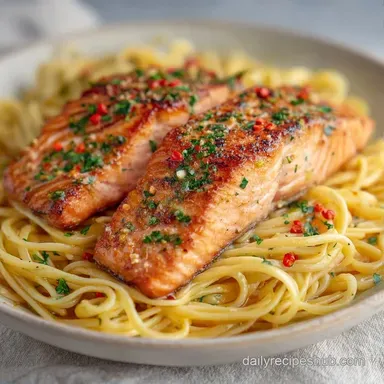
Quick Salmon Garlic Pasta: Silky and Savory
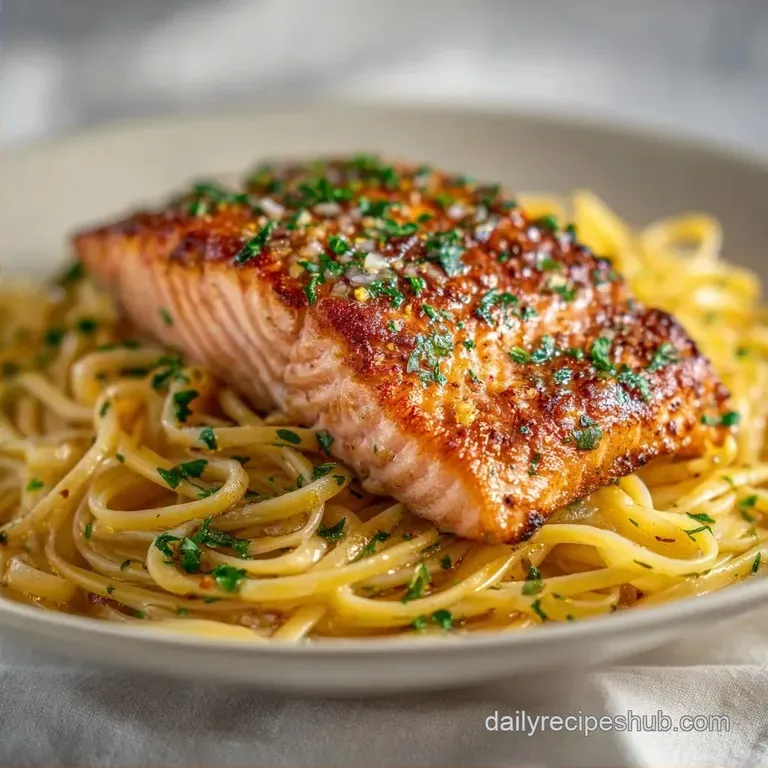
- Time: 10 min active + 20 min cooking
- Flavor/Texture Hook: Buttery garlic sauce with a golden, crispy salmon crust
- Perfect for: Weeknight dinner or an easy date night at home
Essential Recipe Specs
The secret here is the "fast vs. classic" approach. A classic salmon pasta might involve poaching the fish or making a slow simmered cream sauce. We're skipping that. By searing the salmon at high heat and using the pasta water to bind the sauce, we cut the time in half without losing the flavor.
| Feature | Fast Method (This Recipe) | Classic Method |
|---|---|---|
| Salmon Texture | Crispy seared crust | Poached or baked |
| Sauce Base | Butter & Starchy Water | Heavy Cream & Roux |
| Total Time | 30 minutes | 60+ minutes |
| Flavor Profile | Bright and Garlic forward | Rich and Milky |
Right then, let's look at the flow. You'll start by getting the water boiling, then sear the fish, and finally toss everything together. It's a tight window, but that's what makes it exciting.
Ingredient Deep Dive
The magic of the Quick Salmon Garlic Pasta comes from how these specific components interact. It's not just about adding ingredients to a pot; it's about the chemistry of the pan.
The Starch Secret: When you boil pasta, the water becomes cloudy with starch. According to Serious Eats, this starchy water is a natural binder that helps the fat (butter) and the liquid (lemon juice) stay together instead of separating into an oily mess.
The Sear Factor: Using olive oil at a medium high temperature creates a crust on the salmon. This doesn't just taste better, it creates "fond" (those brown bits in the pan) that we then dissolve into the sauce for extra depth.
Acid Balance: Lemon juice cuts through the heaviness of the butter and the oil from the salmon. Without it, the dish would feel too greasy on the palate.
| Ingredient | Science Role | Pro Secret |
|---|---|---|
| Salmon Fillets | Protein & Omega-3s | Pat bone dry for a better crust |
| Pasta Water | Emulsifier | Reserve more than you think you need |
| Parmesan Cheese | Salt & Thickener | Grate it yourself for smoother melting |
| Garlic | Aromatic Base | Mince fine so it doesn't burn |
Required Kitchen Equipment
You don't need a professional setup for this, but a few specific tools make the process smoother.
- Large pot (for the pasta)
- Heavy bottomed skillet (cast iron or stainless steel is best for the sear)
- Tongs or a fish spatula
- Fine grater (for the parmesan)
- Colander
Honestly, don't use a non stick pan for the salmon if you can avoid it. You won't get that deep golden brown crust that defines this recipe. A stainless steel pan allows the fish to release naturally once the crust has formed.
From Prep to Plate
Before you start, get all your ingredients measured. Since this happens fast, you don't want to be chopping garlic while your salmon is overcooking.
Phase 1: The Pasta Foundation
Bring a large pot of salted water to a boil. Add your linguine or spaghetti and cook until al dente. Just before you drain it, scoop out about a cup of that cloudy pasta water and set it aside. This is the most important step for the sauce.
Phase 2: Searing the Salmon
Pat your 1.25 lbs of salmon fillets dry with paper towels. Season them with 1 tsp salt and 1/2 tsp black pepper. Heat 2 tbsp olive oil in your skillet over medium high heat until it's shimmering.
Sear the salmon for 4-5 minutes per side. You're looking for a deep golden brown crust and for the fish to flake easily with a fork. Move the salmon to a plate to rest.
Phase 3: Building the Garlic Butter Sauce
Turn the heat down to medium. Melt 6 tbsp of unsalted butter in the same pan you used for the fish. Toss in 5 cloves of minced garlic and 1/2 tsp red pepper flakes. Sauté for 1-2 minutes until it smells fragrant but the garlic hasn't turned dark brown.
Phase 4: The Final Emulsion
Pour in 1/2 cup of the reserved pasta water and 2 tbsp of fresh lemon juice. Let it simmer for about 2 minutes.
Add the cooked pasta and 1/2 cup of freshly grated parmesan cheese. Stir everything together until the sauce looks glossy and velvety. Top with the rested salmon fillets and a handful of chopped fresh parsley.
Chef's Note: If the sauce looks too thick or dry, splash in a bit more of that reserved pasta water. It should be a thin, glossy glaze, not a thick paste.
Avoiding Kitchen Disasters
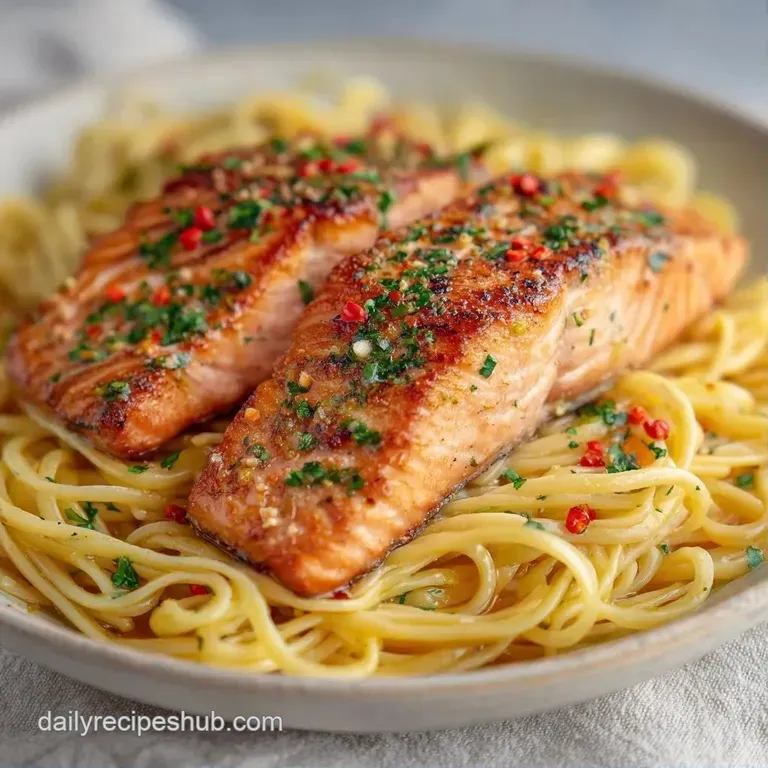
Even a simple dish can go sideways if the heat is too high or the timing is off. Here's how to handle the common hiccups when making your Quick Salmon Garlic Pasta.
Oily or Separated Sauce
If you see pools of oil floating on top, it usually means the butter didn't emulsify with the water. This happens if the heat was too high or you didn't use enough starchy pasta water.
Rubbery Salmon Texture
Overcooked salmon loses its moisture and becomes tough. If you're unsure, check the internal temperature. According to USDA guidelines, salmon is safe and juicy when it reaches about 145°F (63°C), but many home cooks prefer it slightly lower for a more tender flake.
Burnt Garlic Bitterness
Garlic burns in a flash. If it turns dark brown or black, it will taste bitter and ruin the sauce. Always lower the heat before adding the garlic to the butter.
| Problem | Root Cause | Solution |
|---|---|---|
| Sauce is too thin | Not enough cheese/reduction | Simmer for 1 more minute |
| Salmon sticks to pan | Pan wasn't hot enough | Wait for oil to shimmer before adding fish |
| Garlic tastes bitter | Overheated the garlic | Start the sauce over with fresh garlic |
- ✓ Pat salmon dry for a better sear
- ✓ Use freshly grated cheese, not the canned stuff
- ✓ Reserve pasta water before draining
- ✓ Don't overcrowd the pan when searing
- ✓ Use a timer for the pasta to avoid mushiness
Creative Twists and Swaps
Depending on what's in your fridge, you can shift the flavor profile of this dish. If you're craving something even richer, you can check out my Creamy Salmon Pasta Sauce for a version with more dairy.
Adjusting the Ingredients
| Original Ingredient | Substitute | Why It Works |
|---|---|---|
| Linguine (1 lb) | Penne or Fusilli | Holds the sauce well. Note: Texture is chunkier |
| Unsalted Butter | Ghee | Higher smoke point. Note: Slightly nuttier flavor |
| Parmesan Cheese | Pecorino Romano | Saltier and sharper. Note: Use slightly less salt in the fish |
| Fresh Salmon | Canned Salmon | Budget-friendly. Note: Skip the searing; fold in at the end |
Scaling the Recipe
If you're cooking for just two people, cut the ingredients in half. Use a smaller skillet so the butter doesn't spread too thin and burn. Reduce the pasta cooking time by about 1-2 minutes since smaller amounts of pasta can sometimes cook faster.
For a larger crowd (double or triple), don't try to sear all the salmon at once. Work in batches. If you crowd the pan, the salmon will steam instead of sear, and you'll lose that crust. Increase the salt and red pepper flakes by 1.5x rather than doubling them to keep the flavors balanced.
Salmon Myths and Truths
There are a few things people always ask about when making Quick Salmon Garlic Pasta.
One big myth is that searing the salmon "seals in the juices." It doesn't. Moisture escapes regardless of how you sear it. The real reason we sear is for the flavor and texture developed through the browning process.
Another common belief is that you must use fresh salmon for a good result. While fresh is great, frozen fillets that are flash frozen at sea are often just as good. Just make sure they are completely thawed and patted dry before they hit the pan.
Storage and Waste Guidelines
If you have leftovers, store them in an airtight container in the fridge for up to 2 days. To reheat, add a splash of water or a knob of butter to the pan over medium heat. This helps bring the sauce back to life so it doesn't feel dry.
I don't recommend freezing this dish because the pasta can get mushy and the salmon may lose its texture.
For zero waste, don't throw away the salmon skin if you're using skin on fillets. You can crisp them up in a separate pan with a bit of oil and use them as a salty garnish. If you have leftover lemon halves, squeeze them into your compost or use the zest in a morning smoothie.
Final Serving Suggestions
To make the Quick Salmon Garlic Pasta feel like a complete meal, pair it with something green. A simple arugula salad with a light balsamic vinaigrette balances the richness of the butter sauce perfectly.
If you're feeling fancy, serve it with a glass of chilled Pinot Grigio or a light Sauvignon Blanc. The acidity in the wine mirrors the lemon in the pasta.
And since you've had a savory feast, you'll probably want something sweet to finish. I highly recommend my Cookie Dough Dip for a quick and indulgent treat that doesn't require any baking. It's the perfect contrast to the garlic and lemon of the main course.
Critical Sodium Level
1150 mg 1,150 mg of sodium per serving (50% 50% of daily value)
The American Heart Association recommends a daily sodium limit of no more than 2,300 mg, and ideally 1,500 mg for most adults to reduce cardiovascular risk.
Tips to Reduce Sodium
-
Eliminate Added Salt-25%
Remove the 1 tsp of salt from the seasoning. The parmesan cheese already provides a significant amount of saltiness to the dish.
-
Use Unsalted Pasta Water-20%
Boil your pasta in unsalted water. Using unsalted pasta water in the sauce eliminates the hidden sodium typically absorbed by the noodles.
-
Moderate the Cheese-15%
Reduce the parmesan cheese from 1/2 cup to 1/4 cup. Using a sharp, aged parmesan provides intense flavor with less volume.
-
Amplify Acidity-10%
Increase the fresh lemon juice to 3 tbsp. The acidity mimics the 'brightness' of salt, allowing you to reduce overall sodium without sacrificing taste.
-
Boost Fresh Aromatics
Double the fresh parsley and garlic to add layers of flavor and complexity without adding any additional sodium.
Recipe FAQs
Can I freeze the leftovers?
No, avoid freezing this dish. The pasta becomes mushy and the salmon loses its texture during the thawing process.
Why do I need to reserve the pasta water?
It creates a glossy, emulsified sauce. The starch in the water binds the butter and lemon juice to the pasta, preventing the sauce from separating.
How to tell when the salmon fillets are perfectly cooked?
Sear for 4-5 minutes per side until a deep golden-brown crust forms. The fish should flake easily when pressed with a fork.
Is it true that I should throw away the salmon skin?
No, this is a common misconception. Crisp the skins in a separate pan with olive oil to use as a salty, crunchy garnish.
Can I use a different type of pasta for this recipe?
Yes, stick to long noodles like linguine or spaghetti. These hold the garlic butter sauce best. This dish pairs beautifully with a tomato basil salad for a complete meal.
How to reheat the pasta without it drying out?
Heat in a pan over medium heat with a splash of water or butter. This restores the moisture and brings the sauce back to life.
How to prevent the garlic from burning in the butter?
Lower the heat to medium before adding the minced garlic. Sauté for only 1-2 minutes until fragrant but not brown.
Quick Salmon Garlic Pasta in 30 Minutes