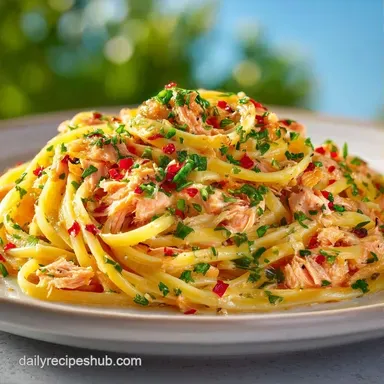
Canned Salmon Pasta: Silky and Zesty
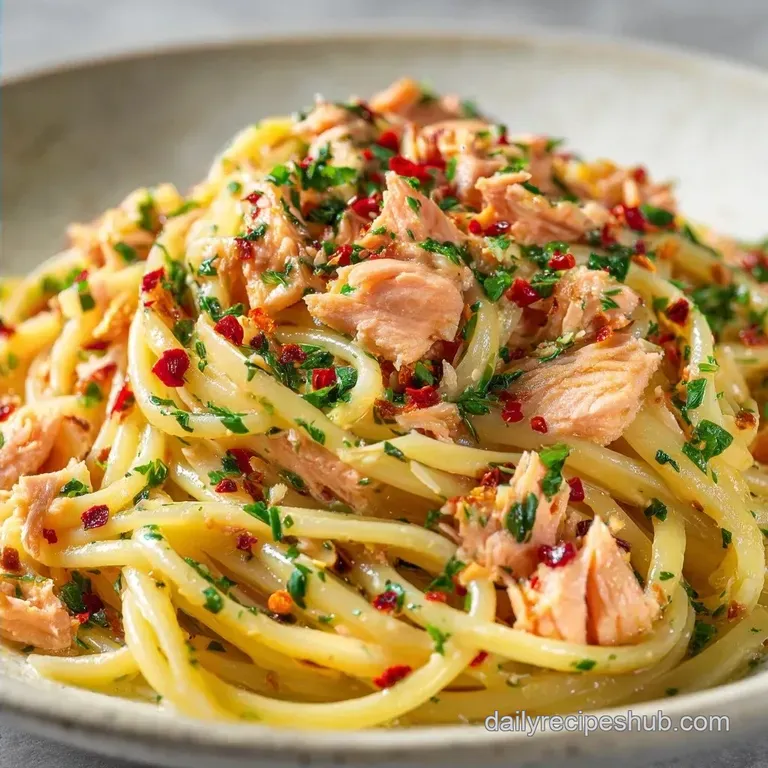
- Time: 10 min active + 10 min cook
- Flavor/Texture Hook: Zesty, garlicky, and velvety
- Perfect for: 20 minute weeknight dinners
Canned Salmon Pasta Recipe Secrets
The smell of garlic hitting hot olive oil is one of those scents that just tells your brain it's time to eat. I remember the first time I tried using tinned fish in a hot pasta dish. I was convinced that canned salmon was only for cold salads with way too much mayo, or maybe some questionable crackers.
I thought the "fishy" taste would take over everything, leaving me with a bowl of salty mush.
But I was wrong. The trick isn't in hiding the salmon, it's in balancing it. When you hit that canned protein with fresh lemon zest and a pinch of red pepper flakes, something happens. The richness of the fish transforms into something that feels more like a bistro meal than a pantry raid.
It's a total myth that you need a fresh fillet to make a meal that tastes expensive.
This Canned Salmon Pasta Recipe is all about efficiency. You don't need a dozen pans or a fancy sous vide setup. We're talking about a one pot boil and a single skillet for the sauce. It's honest, fast, and doesn't pretend to be something it's not.
You get a hit of brightness from the citrus, a bit of heat from the flakes, and a satisfying chew from the linguine.
Nailing the Flavor Balance
To get this right, you have to understand what's happening in the pan. It isn't just about mixing things together, it's about how the ingredients interact.
Starchy Glue: When you save a bit of the pasta water, you're keeping the starch that leaked out during boiling. This starch acts as a binder, helping the oil and lemon juice cling to the noodles instead of puddling at the bottom of the bowl.
Acid Cut: Salmon is a fatty fish, even when canned. The citric acid in the lemon juice and the oils in the zest cut through that heaviness, neutralizing the "tinny" flavor and brightening the whole dish.
Gentle Heat: The salmon is already cooked. If you sauté it for too long, the proteins tighten and the flakes break down into a paste. Adding it at the very end just to warm it through keeps the texture chunky and satisfying.
Heat Activation: Frying the red pepper flakes in oil for 60 seconds releases the capsaicin. This distributes the heat evenly through the fat, so you get a consistent glow rather than random spicy bites.
| Method | Time | Texture | Best For |
|---|---|---|---|
| Canned Salmon | 20 mins | Flaky & Soft | Fast weeknights |
| Fresh Salmon | 35 mins | Firm & Meaty | Weekend guests |
| Frozen Salmon | 30 mins | Dense | Meal prepping |
Essential Recipe Specs
Before we get into the gear, let's look at what actually makes the flavors work. According to the USDA FoodData Central, canned salmon is a powerhouse of protein and omega-3s, but the salt content can vary. That's why we don't over salt the sauce.
| Ingredient | Science Role | Pro Secret |
|---|---|---|
| Pasta Water | Emulsifier | Use the cloudiest water from the top of the pot |
| Lemon Zest | Aromatic | Zest before juicing; it's nearly impossible after |
| Garlic | Base Flavor | Slice thin for mildness, mince for punch |
| Olive Oil | Heat Medium | Use extra virgin for a peppery finish |
Shopping List Breakdown
Stick to these specifics. Using the wrong pasta shape or a low quality oil can change how the sauce sticks.
- 8 oz (225g) linguine or spaghetti Why this? Long noodles hold the light oil sauce best (Substitute: Fettuccine)
- 2 tbsp (30ml) extra virgin olive oil Why this? Provides a fruity base for the garlic (Substitute: Butter)
- 3 cloves garlic, minced Why this? Essential pungent base (Substitute: 1 tsp garlic powder)
- 1/2 tsp (3g) red pepper flakes Why this? Adds a subtle back end heat (Substitute: Fresh chili)
- 1 can (6 oz/170g) salmon, drained and flaked Why this? Pre cooked and convenient (Substitute: Canned tuna)
- 1 tbsp (15ml) fresh lemon juice Why this? Brightens the heavy fish notes (Substitute: White wine)
- 1 tsp (2g) lemon zest Why this? Concentrated citrus aroma (Substitute: Lime zest)
- 1/4 cup (10g) fresh parsley, chopped Why this? Adds a clean, grassy finish (Substitute: Dried parsley)
- 1/4 cup (20g) grated Parmesan cheese Why this? Adds salt and umami depth (Substitute: Pecorino)
- salt and black pepper to taste
- 2 tbsp (30ml) reserved pasta water Why this? Binds the sauce (Substitute: None)
| Original Ingredient | Substitute | Why It Works |
|---|---|---|
| Linguine (8 oz) | Penne (8 oz) | Same wheat base. Note: Sauce collects inside the tubes |
| Canned Salmon (6 oz) | Canned Tuna (6 oz) | Similar protein profile. Note: Lighter flavor, less fat |
| Parmesan (1/4 cup) | Pecorino (1/4 cup) | Both hard cheeses. Note: Saltier and tangier taste |
| Lemon Juice (1 tbsp) | White Wine (1 tbsp) | Both provide acidity. Note: Less citrusy, more fermented |
Essential Kitchen Tools
You don't need a professional kitchen for this Canned Salmon Pasta Recipe. A few basics will do the job. I prefer a wide stainless steel skillet because it gives the pasta room to toss without spilling over the edges. A deep pot for the noodles is standard, but make sure it's large enough that the pasta doesn't clump.
For the salmon, a simple fork is your best tool for flaking. Don't over mash it. You want distinct pieces of fish, not a paste. A microplane is great for the lemon zest, but a fine grater works just as well. Just be careful not to hit the bitter white pith of the lemon.
The Cooking Process
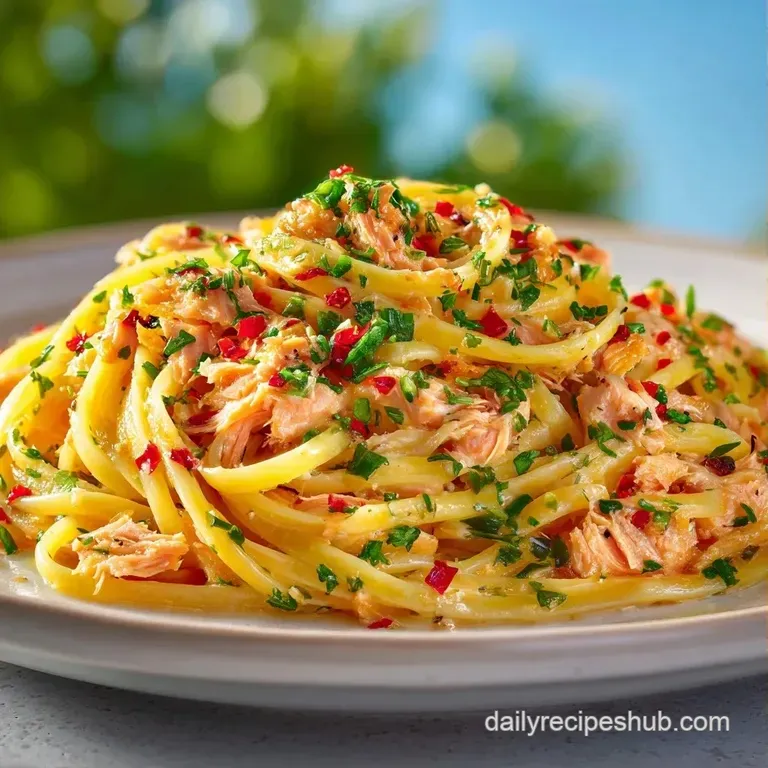
Right then, let's get into the actual work. Follow these steps and pay attention to the visual cues.
- Bring a large pot of salted water to a boil. Add the pasta and cook until al dente (usually 1-2 minutes less than the package directions). Note: Al dente pasta finishes cooking in the sauce.
- Reserve about 1/2 cup of the starchy pasta water before draining. Wait until you see the water looks cloudy before scooping.
- Heat the olive oil in a skillet over medium heat. Add the minced garlic and red pepper flakes and sauté for about 1 minute until the garlic is translucent and fragrant.
- Toss the drained pasta into the skillet.
- Pour in the lemon juice, lemon zest, and 2 tablespoons of reserved pasta water.
- Toss vigorously over medium high heat for 2 minutes until the liquid thickens and coats the noodles.
- Gently fold in the flaked salmon and chopped parsley. Stir just enough to warm the fish through without breaking the flakes.
- Remove from heat and sprinkle with grated Parmesan cheese. Stop as soon as the cheese melts into the sauce.
Chef's Tip: If you want a deeper flavor, toast the red pepper flakes in the oil for 30 seconds before adding the garlic. This prevents the garlic from burning while the spice fully blooms.
Fixing Common Mistakes
Even a simple dish can go sideways if you're not paying attention. Most issues with this recipe come down to temperature or timing.
Troubleshooting Common Issues
| Issue | Solution |
|---|---|
| Why Your Sauce Is Too Dry | If the pasta looks matte or the noodles are sticking together, you didn't use enough pasta water. The starch is what creates that velvety feel. |
| Why Your Salmon Is Mushy | This happens when the salmon is stirred too aggressively or cooked too long. The fish is already cooked in the can. It only needs to reach the temperature of the pasta. |
| Why It Tastes Too "Fishy" | This is usually a sign of missing acid. If the tinned flavor is too strong, add another squeeze of fresh lemon or a tiny pinch of salt. Salt helps the acidity pop, which masks the fishiness. |
Common Mistakes Checklist
- ✓ Did you reserve the pasta water before draining?
- ✓ Is the garlic translucent but not brown?
- ✓ Did you add the salmon at the very end?
- ✓ Did you zest the lemon before cutting it?
- ✓ Is the pasta slightly underdone before hitting the pan?
Customizing Your Pasta
Once you've nailed the basic Canned Salmon Pasta Recipe, you can start playing with the additions. I've found that a handful of baby spinach added in Step 6 wilts perfectly and adds some color.
If you want a Creamy Canned Salmon Pasta, stir in two tablespoons of heavy cream or mascarpone right before adding the salmon. It makes the dish much heavier, so you might want to double the lemon juice to keep it balanced.
For those looking for a Canned Salmon Pasta with Tomato, start by sautéing a tablespoon of tomato paste with the garlic.
If you're trying to make a Healthy Canned Salmon Pasta Recipe, swap the linguine for whole wheat pasta or zucchini noodles. Just keep in mind that whole wheat pasta absorbs more liquid, so you'll need an extra splash of pasta water.
If you need a Canned Salmon Pasta without Cream, this oil and lemon base is already the best version.
If you have a few cans of salmon left over, you might want to try my Easy Salmon Cake Recipe for a different texture.
Freshness and Storage
Pasta with fish doesn't stay "fresh" forever. The oil can start to taste a bit heavy after a couple of days.
Storage Guidelines Store leftovers in an airtight container in the fridge for up to 3 days. Don't freeze this dish. The emulsion of the sauce will break in the freezer, and the salmon will become rubbery when reheated.
Reheating Tips Don't use the microwave on high, as it will overcook the salmon. Instead, put the pasta back in a skillet over medium heat with a tablespoon of water or olive oil. Toss gently until heated through.
Zero Waste Ideas Don't toss the lemon rinds. You can freeze them to use in cocktails or simmer them in a pot of water with cinnamon to make the house smell great. If you have leftover parsley stems, chop them finely and throw them into a veggie stock. For those not in the mood for a hot meal, this Creamy Canned Salmon Salad is a great way to use the same protein.
The Best Side Pairings
Since this Canned Salmon Pasta Recipe is quite rich and zesty, you want sides that provide a crisp contrast. A heavy side would make the meal feel too bogged down.
A simple arugula salad with a light vinaigrette is the classic choice. The bitterness of the greens cuts through the fat of the salmon. If you want something more substantial, roasted asparagus or steamed broccoli works well. The charred flavor of roasted veg complements the garlic in the pasta.
Avoid serving this with garlic bread. There is already enough garlic in the main dish, and too many carbs can make you feel sluggish. Instead, go for a slice of toasted sourdough rubbed with a raw garlic clove for a lighter crunch.
For a refreshing touch, a side of sliced cucumbers with a bit of rice vinegar and sesame seeds provides a cool, clean finish to the meal.
Recipe FAQs
Can I use canned salmon in pasta?
Yes, it is a convenient, protein-rich choice. The flaked texture of canned salmon blends easily with pasta and absorbs sauces well.
What sauce goes with salmon pasta?
A light lemon-garlic sauce is best. Using olive oil, garlic, and fresh lemon juice cuts through the richness of the fish without overpowering it.
How to prevent canned salmon from becoming mushy in pasta?
Gently fold the fish in at the very end. Because the salmon is already cooked, it only needs to be warmed through; aggressive stirring breaks the flakes.
How to fix salmon pasta that tastes too "fishy"?
Add an extra squeeze of fresh lemon juice. The acidity neutralizes the strong tinned flavor and brightens the entire dish.
How to make the sauce velvety instead of dry?
Stir in reserved starchy pasta water. Adding a few tablespoons of the cooking liquid helps the olive oil and lemon emulsify into a smooth coating for the noodles.
What is the best way to cook canned salmon for this recipe?
Warm it by folding it into the hot pasta just before serving. Avoid sautéing the fish in the pan to preserve the texture of the flakes.
How to make salmon cakes with canned salmon instead of pasta?
Mix flaked salmon with binders and pan-fry until golden. If you prefer a patty over noodles, try these Thai salmon cakes for a savory alternative.
Canned Salmon Pasta Recipe in 20 Minutes