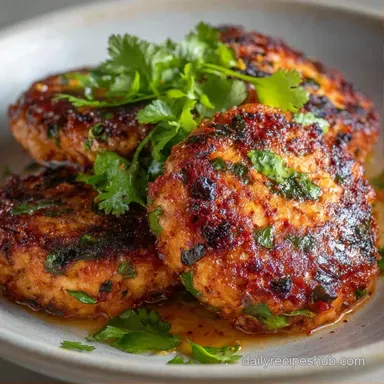
Thai Canned Salmon Cakes: Crispy and Zesty
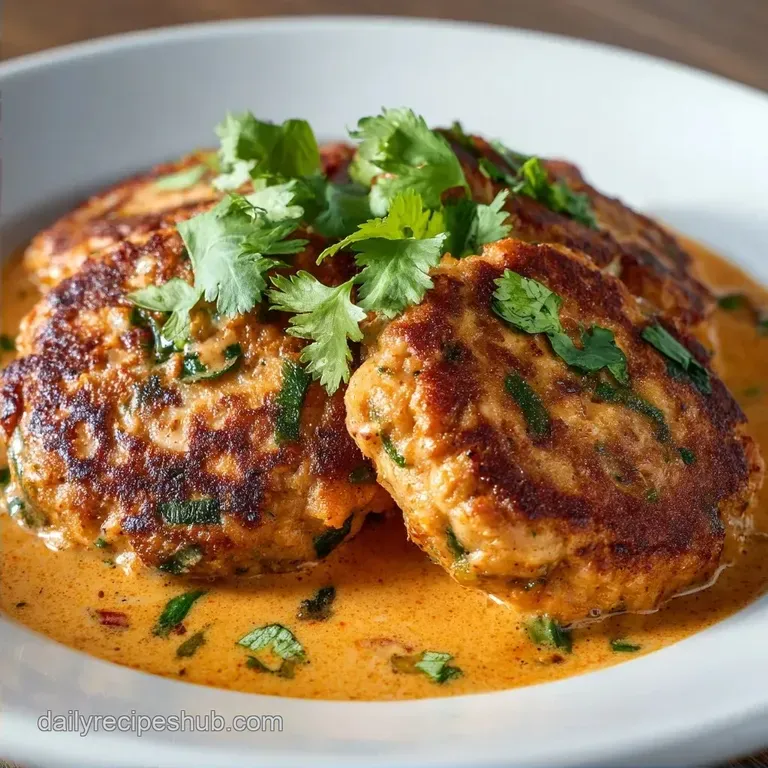
- Time: 15 min active + 15 min cook
- Flavor/Texture Hook: Shatter crisp crust with a velvety, coconut infused center
- Perfect for: Weeknight dinners, gluten-free appetizers, or budget-friendly meal prep
- Why Thai Canned Salmon Cakes Work
- Component Analysis
- The Ingredient List
- Tools You'll Actually Use
- Making the Salmon Cakes
- Troubleshooting Common Issues
- Fun Flavor Variations
- Scaling the Recipe
- Common Kitchen Myths
- Storage and Waste Tips
- Best Side Pairings
- Critical Sodium Levels
- Recipe FAQs
- 📝 Recipe Card
Ever wondered why some canned fish recipes taste like a tin can, while others taste like a trip to Bangkok? The secret isn't in the brand of salmon you buy, but in how you fight that "metallic" edge.
I used to avoid canned salmon entirely until I realized that acidity and over high heat searing are the only tools you need to wipe the slate clean.
Once you see how a bit of red curry paste and lime zest can mask the processed notes of the tin, you'll stop reaching for the fresh fillets every time. This isn't about pretending it's a five star restaurant dish, it's about making a pantry staple taste like a deliberate choice.
We're making Thai Canned Salmon Cakes that actually hold together in the pan. No more patties falling apart into a sad heap of fish mush. We're using a few specific tricks to ensure they stay plump and get that mahogany color we're after.
Why Thai Canned Salmon Cakes Work
Fat Synergy: The full fat coconut milk blends with the natural oils in the salmon, creating a rich mouthfeel that balances the sharp heat of the red curry paste.
Protein Binding: The egg acts as a glue, but the almond flour is what really locks everything in by absorbing excess moisture from the canned fish.
Aromatic Layering: Garlic and lime zest hit different parts of your palate, which distracts from the "canned" flavor and mimics the brightness of fresh seafood.
Over High heat Caramelization: Searing the patties quickly creates a crust that locks in the moisture, preventing the inside from becoming dry or rubbery.
| Feature | Fresh Salmon Cakes | Shortcut Canned Version | Impact on Result |
|---|---|---|---|
| Prep Time | 25-30 minutes | 15 minutes | Faster cleanup, no raw fish handling |
| Texture | Flaky and light | Denser and heartier | More filling, holds shape better |
| Cost | High | Low | Significant savings per serving |
| Flavor | Delicate, oceanic | Bold, savory | Better vehicle for strong spices |
Component Analysis
| Ingredient | Science Role | Pro Secret |
|---|---|---|
| Canned Salmon | Primary Protein | Use "wild caught" for a cleaner, less oily taste |
| Red Curry Paste | Flavor Base | Sauté it separately first if you want a deeper glow |
| Almond Flour | Moisture Absorber | Keeps the cakes gluten-free while adding nuttiness |
| Coconut Milk | Emulsifier | Full fat only; low-fat versions make the cakes soggy |
The Ingredient List
For the patties: - 2 cans (400g total) canned salmon, drained Why this? Stable protein source that's already cooked - 2 tbsp (30g) Thai red curry paste Why this? Provides the essential heat and lemongrass notes - 2 tbsp (30ml) full fat coconut milk
Why this? Softens the spice and adds creaminess - 1 large egg (50g), beaten Why this? Essential for structural integrity - 3 stalks (20g) green onions, finely sliced Why this? Adds a fresh, sharp contrast - 1/4 cup (10g)
Fresh cilantro, chopped Why this? Essential herbal brightness - 1 tsp (2g) lime zest Why this? Cuts through the fat of the salmon - 2 cloves (6g) garlic, minced Why this? Pungent base for the curry - 1/4 cup (30g) almond
Flour Why this? Binds the mixture without adding gluten - 1/2 tsp (3g) salt Why this? Enhances all other Thai flavors - 2 tbsp (30ml) vegetable oil Why this? High smoke point for a better sear
For the Healthy Basil Lime Dip: - 1/2 cup (120g) plain Greek yogurt Why this? Cools the palate - 2 tbsp (5g) fresh basil, finely minced Why this? Classic Thai aromatic - 1 tbsp (15ml) lime juice Why this? Brightens the yogurt - 1 tsp (5g) honey Why this? Balances the sriracha heat - 1 tsp (5g) sriracha Why this? Adds a vinegary kick
Substitute Options
| Original Ingredient | Substitute | Why It Works |
|---|---|---|
| Almond Flour | Breadcrumbs | Standard binder. Note: Loses gluten-free status |
| Greek Yogurt | Sour Cream | Similar tang and thickness |
| Red Curry Paste | Panang Curry Paste | Similar profile but slightly sweeter/nuttier |
| Canned Salmon | Canned Tuna | Same structure. Note: Lighter flavor, needs more salt |
Tools You'll Actually Use
You don't need a fancy kitchen to pull this off. A large mixing bowl is your main hub. Use a sturdy fork for flaking the salmon, as it gives you more control over the chunk size than a spoon.
For the cooking, a heavy bottomed skillet is non negotiable. Cast iron is the gold standard here because it holds heat evenly, meaning you won't get those weird pale spots on your patties. If you have a non stick pan, that works too, but you'll lose a bit of that deep mahogany crust.
Finally, have a plate with paper towels ready. When these come out of the oil, they'll be glistening. A quick pat down ensures the crust stays shatter crisp rather than soaking back into the fish.
Making the Salmon Cakes
Preparing the Salmon Mixture
- Drain the salmon thoroughly. Press it against the lid of the can to get every drop of liquid out. Note: Excess water leads to mushy cakes
- In a large bowl, flake the drained salmon using a fork. Break it down into small pieces, but leave a few larger chunks for texture.
- Fold in the red curry paste, coconut milk, beaten egg, lime zest, garlic, green onions, and cilantro. Stir until the red paste is evenly distributed.
- Stir in the almond flour. Mix just until the mixture is cohesive and holds its shape when you press a handful together. Note: Overmixing can make the patties tough
Searing for Maximum Texture
- Heat 2 tbsp of oil in a skillet over medium high heat. Wait until the oil shimmers or a drop of water sizzles instantly.
- Form the mixture into 12 equal patties, about 1 inch thick.
- Place patties in the pan. Sear for 3–4 minutes per side until a deep mahogany crust forms. Do not move them for the first 3 minutes; let the crust develop.
- Remove from heat and let them rest for 2 minutes on a wire rack or paper towels.
Whisking the Zesty Dip
- In a small bowl, combine the Greek yogurt, minced basil, lime juice, honey, and sriracha.
- Whisk until smooth. Taste it. If it's too tart, add another pinch of honey.
Chef's Note: If you want an even deeper flavor, try adding a pinch of ground coriander to the salmon mix. It bridges the gap between the fish and the curry paste perfectly.
Troubleshooting Common Issues
| Issue | Solution |
|---|---|
| Why Your Cakes Fall Apart | This usually happens because the salmon was too wet or the binder didn't have time to set. If the mixture feels like a loose paste, add one more tablespoon of almond flour. |
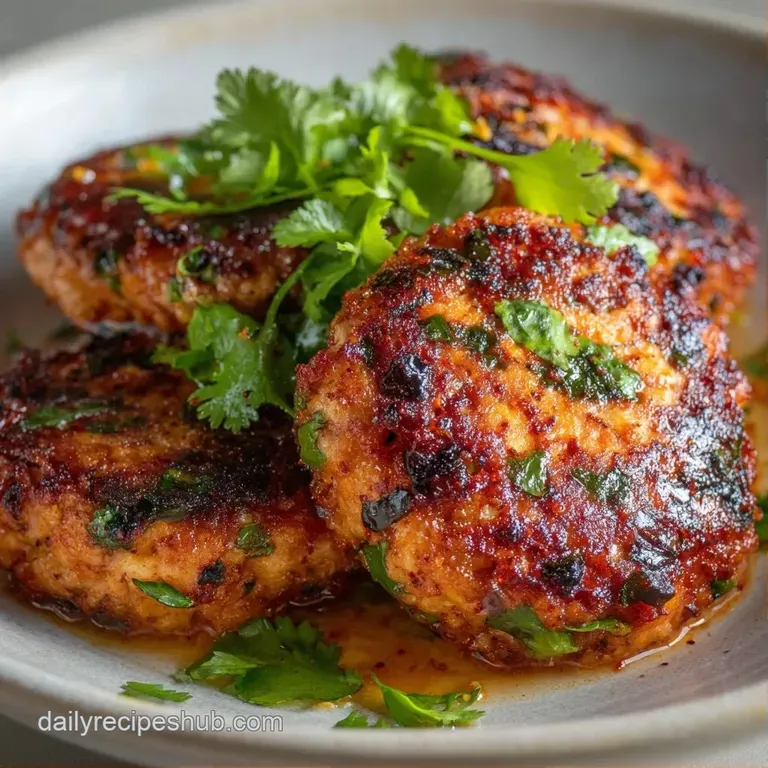
| Why the Crust is Pale | Your pan wasn't hot enough. If the oil isn't shimmering, the fish will steam instead of sear. You want to hear a loud sizzle the moment the patty hits the metal. |
| Why the Curry Taste is Overpowering | Red curry paste varies wildly by brand. Some are salt bombs, others are pure heat. If the flavor is too aggressive, fold in an extra tablespoon of coconut milk to mellow it out. |
Common Mistakes Checklist
- ✓ Drained the salmon for at least 60 seconds.
- ✓ Let the oil reach a shimmer before adding patties.
- ✓ Avoided flipping the cakes more than once.
- ✓ Used full fat coconut milk for the right bind.
- ✓ Let the patties rest before serving.
Fun Flavor Variations
If you want to move away from the traditional profile, you can tweak the aromatics. For a "Green" version, swap the red curry paste for green curry paste and use extra lime leaves. This makes the Thai Canned Salmon Cakes feel lighter and more herbal.
For those who love a real kick, add a finely diced bird's eye chili to the mix. If you're looking for a more filling meal, these pair great with an Asian Salmon Bowl for a double hit of omega-3s.
You can also go plant based by swapping the salmon for mashed chickpeas and the egg for a flax egg (1 tbsp ground flax + 3 tbsp water). The red curry and coconut milk will still provide that authentic Thai profile, though the texture will be softer.
Decision Shortcut:
- If you want more crunch → Add 1 tbsp of panko to the almond flour.
- If you want less heat → Use yellow curry paste instead of red.
- If you want more zest → Double the lime zest and add a pinch of sumac.
Scaling the Recipe
Scaling Down (Half Batch) When making 6 cakes, the egg is the tricky part. Beat one egg in a small cup and use exactly half (about 25g). Use a smaller 8 inch skillet so the oil doesn't spread too thin and burn. Reduce your total cook time by about 20% as smaller batches heat up faster.
Scaling Up (Double or Triple Batch) If you're making 24 or 36 Thai Canned Salmon Cakes for a crowd, don't just triple the salt and spices. Increase the salt and curry paste to only 2.5x the original amount, then taste.
Liquids (coconut milk) should be reduced by 10% to prevent the mixture from becoming too loose.
Work in batches. If you crowd the pan, the temperature drops, and you'll end up with steamed fish instead of seared cakes. Use a large griddle if you have one, or just be patient with the skillet.
Common Kitchen Myths
Myth: Searing "seals in" the juices. The truth is that searing doesn't create a waterproof barrier. Moisture loss happens throughout the cooking process. What the sear actually does is create a flavor dense crust via the Maillard reaction, which makes the cake taste richer.
Myth: Canned salmon is unhealthy compared to fresh. Actually, according to the USDA FoodData Central, canned salmon often retains most of the omega-3 fatty acids and protein found in fresh fillets. In some cases, it's even healthier because the canning process softens the bones, which are then edible and provide a massive calcium boost.
Myth: You must use a deep fryer for fish cakes. You don't need a vat of oil. A shallow pan sear provides a better balance of crust and tenderness. Deep frying often overcooks the center of the fish before the outside is golden.
Storage and Waste Tips
Fridge and Freezer Keep leftover Thai Canned Salmon Cakes in an airtight container in the fridge for up to 3 days. To reheat, use a skillet over medium heat for 2 minutes per side. Avoid the microwave, as it will turn the crust rubbery.
For long-term storage, you can freeze the uncooked patties. Place parchment paper between each cake so they don't stick. They'll keep for 2 months. Cook them straight from frozen, just add 2 minutes to the searing time per side.
Zero Waste Ideas Don't toss the cilantro stems. Finely mince them and stir them into the salmon mixture; they actually hold more flavor than the leaves. If you have leftover coconut milk in the can, freeze it in ice cube trays and drop them into your morning coffee or a smoothie.
If you have extra patties, they make a great addition to Salmon Fried Rice the next day. Just crumble them into the pan for added texture.
Best Side Pairings
To keep the meal balanced, serve these with a side of steamed jasmine rice or coconut rice. The neutral grain soaks up the extra lime basil dip and cuts through the richness of the fish.
A crunchy slaw is another great move. Toss shredded cabbage, carrots, and a splash of rice vinegar with a bit of sesame oil. The cold, crisp veg contrasts perfectly with the warm, savory cakes.
If you're keeping it low carb, serve them over a bed of sautéed baby spinach or bok choy. The bitterness of the greens balances the honey and sriracha in the yogurt dip. For a more indulgent experience, serve them as appetizers with sliced cucumbers and extra lime wedges on the side.
Critical Sodium Levels
1425 mg 1,425 mg of sodium per serving (62% 62% of daily value)
The American Heart Association recommends a daily limit of 2,300mg, with an ideal limit of 1,500mg for most adults to reduce cardiovascular risk.
Tips to Reduce Sodium
-
Omit Added Salt-25%
Completely remove the 1/2 tsp of salt from the recipe; the curry paste already provides substantial sodium.
-
Switch Salmon Type-20%
Use no-salt-added canned salmon or fresh salmon fillets instead of standard canned salmon.
-
Low-Sodium Curry Paste-20%
Swap standard Thai red curry paste for a low-sodium version or make a homemade paste using fresh aromatics.
-
Boost Fresh Aromatics
Double the fresh cilantro and lime zest to enhance the flavor profile without adding any extra sodium.
Recipe FAQs
How to make salmon cakes with canned salmon?
Flake the drained salmon and fold in the curry paste, coconut milk, egg, lime zest, garlic, green onions, and cilantro. Stir in almond flour until cohesive, then sear patties in oil over medium-high heat for 3–4 minutes per side.
What is the best way to get a deep mahogany crust?
Heat 2 tbsp of oil over medium-high until it shimmers. You should hear a loud sizzle the moment the patty hits the metal to ensure the fish sears rather than steams.
Why do my salmon cakes fall apart in the pan?
The mixture is likely too wet or the binder hasn't set. If the mixture feels like a loose paste, stir in one more tablespoon of almond flour to stabilize the patties.
Can I freeze these salmon cakes for later?
Yes, you can freeze uncooked patties for up to 2 months. Place parchment paper between each cake to prevent sticking and add 2 minutes to the searing time per side when cooking from frozen.
How to reheat leftover cakes without making them rubbery?
Reheat in a skillet over medium heat for 15 minutes per side. Avoid the microwave, as it destroys the crispy texture of the mahogany crust.
Is it true that I need to boil canned salmon before using it in a recipe?
No, this is a common misconception. Canned salmon is already fully cooked; simply drain the liquid and flake the fish with a fork before mixing.
What is the best way to serve these Thai-style cakes?
Serve them paired with the whipped Greek yogurt and sriracha sauce. If you enjoyed the efficiency of working with canned protein here, see how we apply similar prep to our salmon salad sandwich.
Thai Canned Salmon Cakes in 30 Minutes