Sesame Salmon Rice: Savory and Budget-Friendly
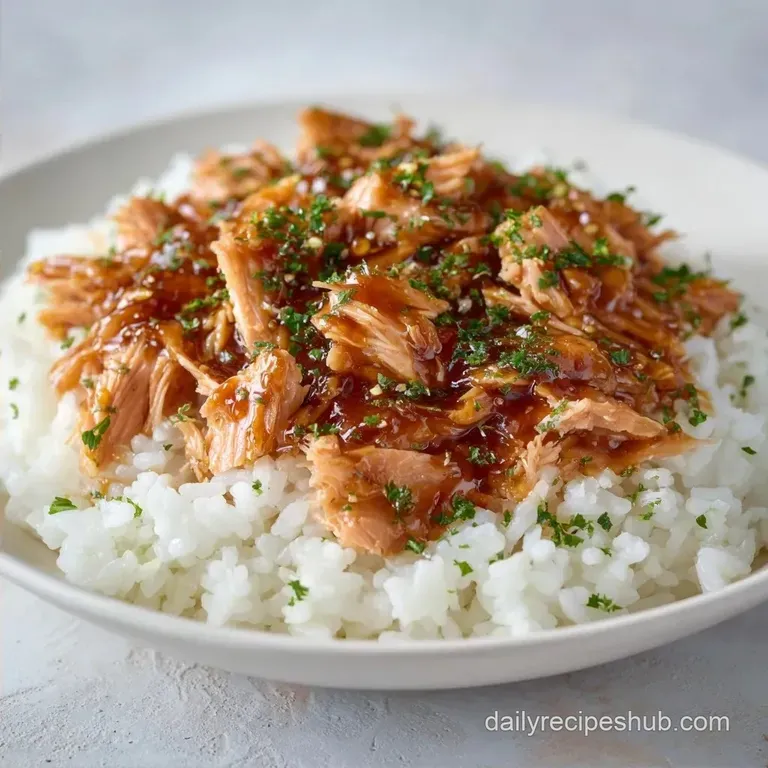
- Time: 10 min active + 15 min cook
- Flavor/Texture Hook: Mahogany crisp salmon with nutty, popping rice
- Perfect for: Fast weeknight dinner or budget meal prep
The sound of canned salmon hitting a hot pan is a specific kind of sizzle. It's not the heavy splash of a steak, but a quick, energetic crackle that tells you the moisture is leaving and the flavor is moving in.
For a long time, I treated canned fish as something you just stir into a salad or a casserole, and the result was always the same: a soft, slightly metallic, and frankly boring pile of mush.
The fix wasn't a fancy ingredient, but a change in technique. By treating the canned salmon like a fresh fillet, searing it undisturbed until the edges turn dark and crisp, you strip away that "tin" flavor and replace it with a charred, savory depth. This is the secret to a great Sesame Salmon Rice.
You can expect a dish that feels like a restaurant bowl but costs a fraction of the price. We aren't aiming for a gourmet presentation here; we're aiming for a meal that satisfies a craving for salty, sweet, and savory in under 30 minutes.
It's about working with what's in the pantry and making it taste like you spent hours on it.
Sesame Salmon Rice
Right then, let's get into why this works. Most people make the mistake of adding everything to the pan at once. When you do that, the rice steams the fish, and the fish makes the rice soggy. To get that distinct, separate grain, we have to manage the moisture.
The honey and soy sauce create a glaze that doesn't just coat the food, it clings to it. When that sugar hits the hot pan, it caramelizes, binding the toasted sesame oil and sriracha to every single grain of rice. It's a fast way to build layers of flavor without needing a dozen different spices.
Since we're using canned salmon, we have to be honest about the texture. It's softer than fresh. By searing it first, we create a contrast between the crisp fish edges and the fluffy jasmine rice. It's a Budget-friendly move that doesn't feel like a compromise.
Why This Recipe Works
The Moisture Purge: Searing the salmon alone for 3 minutes evaporates excess water from the canning process, preventing the rice from turning into porridge.
The Sugar Bind: Honey acts as a thickening agent. As it heats, it transforms from a liquid into a sticky syrup that locks the soy and vinegar onto the ingredients.
The Starch Gap: Using chilled rice ensures the grains are dry. This allows the neutral oil to coat each grain individually, leading to a "pop" rather than a clump.
Aromatic Layering: Adding garlic and ginger after the fish is removed keeps them from burning while utilizing the flavored salmon oil left in the pan.
| Feature | Fresh Salmon Approach | Canned Salmon Shortcut | Impact |
|---|---|---|---|
| Cost | High | Very Low | Significant savings |
| Prep Time | Moderate (cleaning/cutting) | Low (drain and flake) | Faster start |
| Texture | Flaky and moist | Crispy edges, softer core | Different mouthfeel |
| Flavor | Clean, buttery | Concentrated, savory | More "umami" punch |
Ingredient Logic Breakdown
Everything in this bowl has a job. If you pull one thing out, the balance shifts. We're balancing the salt of the soy with the acid of the vinegar and the sweetness of the honey.
| Ingredient | Science Role | Pro Secret |
|---|---|---|
| Jasmine Rice | Starch Base | Use day old rice for better separation |
| Honey | Glaze Thickener | Dissolve fully before adding to pan |
| Rice Vinegar | Acid Balance | Cuts through the oiliness of the salmon |
| Toasted Sesame Oil | Nutty Aroma | Add at the end to preserve volatile oils |
What You'll Need
Stick to these quantities for the best balance. If you're using a different brand of soy sauce, keep an eye on the salt levels.
- Soy sauce (2 tbsp / 30ml)Why this? Primary salt source and deep color. (Substitute: Tamari for gluten-free)
- Rice vinegar (1 tbsp / 15ml)Why this? Mild acidity that doesn't overpower. (Substitute: Apple cider vinegar)
- Honey (1 tbsp / 15ml)Why this? Creates the sticky, caramelized glaze. (Substitute: Brown sugar)
- Toasted sesame oil (1 tsp / 5ml)Why this? Essential nutty finish. (Substitute: Peanut oil, but lose the aroma)
- Sriracha (½ tsp / 2.5ml)Why this? Subtle back end heat. (Substitute: Chili garlic sauce)
- Cooked jasmine rice (2 cups / 300g)Why this? Fragrant and holds shape well. (Substitute: Basmati rice)
- Canned salmon (1 can / 5 oz / 142g)Why this? Budget-friendly, high protein. (Substitute: Canned tuna, drained)
- Neutral oil (1 tbsp / 15g)Why this? High smoke point for searing. (Substitute: Avocado or canola oil)
- Garlic (2 cloves / 6g)Why this? Pungent aromatic base. (Substitute: Garlic powder, 1/2 tsp)
- Fresh ginger (1 tsp / 2g)Why this? Zesty contrast to the fish. (Substitute: Ground ginger, 1/4 tsp)
- Green onion (1 stalk / 15g)Why this? Fresh, sharp finish. (Substitute: Chives)
- Toasted sesame seeds (1 tsp / 3g)Why this? Textural crunch. (Substitute: Poppy seeds)
- Black pepper (½ tsp / 1g)Why this? Earthy heat. (Substitute: White pepper)
Essential Gear List
You don't need a professional kitchen, but the pan matters. A non stick surface is your friend here because honey can stick and burn in seconds.
- Large non stick skillet or wok: Necessary for tossing the rice without it clinging to the bottom.
- Small mixing bowl: To whisk the glaze so you aren't measuring ingredients while the pan is smoking.
- Fine mesh strainer: To ensure the canned salmon is bone dry before it hits the oil.
- Spatula (silicone or wooden): For breaking up rice clumps without scratching the pan.
From Prep to Plate
Follow these steps exactly. The timing is tight, so have your glaze mixed before you even turn on the stove.
- Whisk the glaze. In a small bowl, combine the soy sauce, rice vinegar, honey, and sriracha. Stir vigorously until the honey is fully dissolved and the mixture is homogenous. Note: If the honey is too thick, microwave the bowl for 10 seconds.
- Sear the salmon. Heat the neutral oil in a large non stick skillet over medium high heat. Add the flaked canned salmon and spread it in an even layer. Let it sit undisturbed for 2-3 minutes until the edges become mahogany colored and crisp. Stir once and remove the salmon to a plate.
- Sauté aromatics. In the same pan using the residual salmon oil, add the minced garlic and grated ginger. Sauté for 30 seconds until fragrant but not brown.
- Fry the rice. Pour in the chilled jasmine rice. Stir constantly for 3-5 minutes until the rice begins to pop and smell nutty.
- Combine and glaze. Return the seared salmon to the pan and pour the sesame glaze over the mixture. Stir for 1-2 minutes until the sauce reduces and coats everything in a glossy sheen.
- Final touch. Remove from heat. Garnish with thinly sliced green onions, toasted sesame seeds, and black pepper.
Troubleshooting Guide
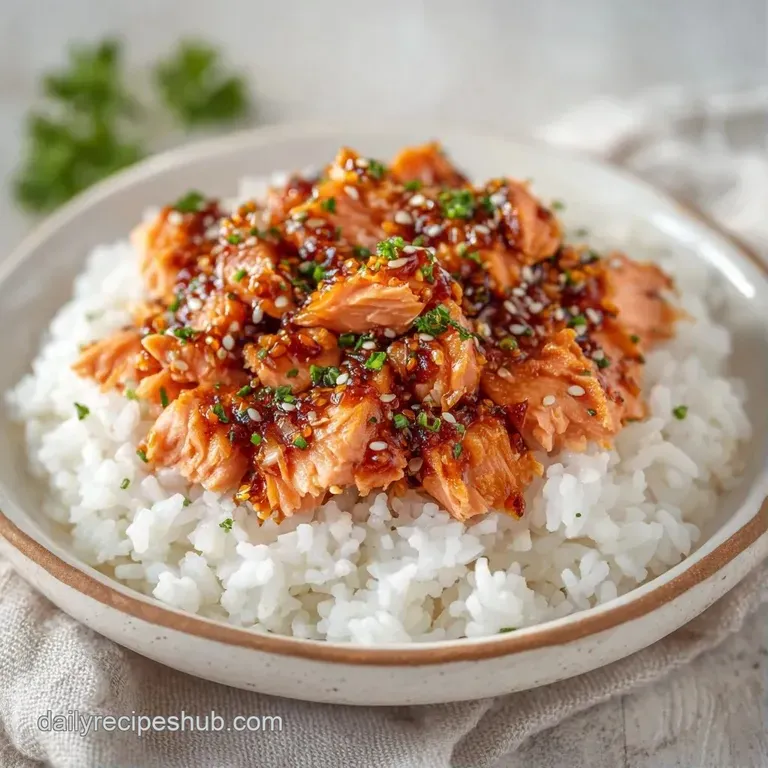
Most issues with Sesame Salmon Rice come down to moisture control. If your rice is clumped, it's usually because it was too fresh or too wet.
| Issue | Solution |
|---|---|
| Why Your Rice is Mushy | This usually happens if you use freshly cooked, warm rice. Fresh rice releases steam, which turns the dish into a porridge when the glaze is added. |
| Why the Salmon Lacks Crunch | If the salmon is soft, you likely stirred it too early. You need to leave it alone in the oil for those first 2-3 minutes. |
| Why the Garlic Tastes Bitter | Garlic burns quickly at medium high heat. If it turns dark brown or black, it becomes bitter. Add the garlic and ginger only after the pan has been slightly cooled or just before the rice goes in. |
Common Mistakes Checklist
- ✓ Used chilled rice instead of fresh.
- ✓ Drained canned salmon thoroughly.
- ✓ Left salmon undisturbed during the first sear.
- ✓ Dissolved honey completely in the glaze.
- ✓ Added aromatics only for 30 seconds.
Adjusting the Portion Size
Scaling this recipe isn't as simple as doubling everything. When you increase the volume of rice, the pan temperature drops, which can lead to steaming instead of frying.
Scaling Down (1 serving): Use a smaller skillet to keep the oil concentrated. Reduce the cook time for the rice by about 20%, as a smaller amount heats through faster. Beat one egg if you're adding protein, then use half.
Scaling Up (4+ servings): Do not double the salt or sriracha, increase them to 1.5x first and taste. Liquids should be reduced by about 10% to avoid a soggy bottom. Most importantly, work in batches. If you crowd the pan with 4 cups of rice, the temperature will plummet, and you'll lose that nutty "pop" of the grain. For another texture, try this Salmon Fried Rice approach if you're cooking for a crowd.
| Amount | Pan Size | Heat Adjustment | Salt/Spice Ratio |
|---|---|---|---|
| 1 Serving | 8 inch | Standard | 1:1 |
| 2 Servings | 12 inch | Standard | 1:1 |
| 4 Servings | 14 inch/Wok | Increase Heat | 1.5x |
Debunking Kitchen Myths
Myth: Canned salmon is tasteless compared to fresh. Truth: Canned salmon is actually more concentrated in flavor. The "blandness" people report is usually because they don't sear it. Once you brown it, the savory notes are more intense than a steamed fresh fillet.
Myth: You must rinse cooked rice before frying. Truth: Never rinse cooked rice. You want the surface to be as dry as possible. Rinsing adds moisture, which is the enemy of the "pop" we want in Sesame Salmon Rice.
Myth: Sesame oil can be used for the initial sear. Truth: Toasted sesame oil has a low smoke point. If you use it for the initial over high heat sear, it will burn and taste acrid. Use a neutral oil for the heat, and the sesame oil for the flavor finish.
Storage Guidelines
If you have leftovers, this dish holds up surprisingly well, provided you store it correctly.
Fridge: Store in an airtight container for 3-4 days. The rice will firm up in the fridge, which is normal. Freezer: I don't recommend freezing this. The texture of the canned salmon and the jasmine rice becomes grainy and unpleasant upon thawing.
Reheating: The best way to revive Sesame Salmon Rice is in a skillet over medium heat with a tiny splash of water or a teaspoon of oil. This restores the moisture to the rice without making it mushy. Avoid the microwave if you want to keep those crisp salmon edges.
Zero Waste Tip: If you have leftover green onion ends or ginger scraps, freeze them in a small bag. When you're making a soup or another stir fry, just toss the frozen chunks in. Also, if you have a bit of the sesame glaze left, use it as a marinade for tofu or chicken.
Great Side Pairings
Since this is a salty, savory dish, you need something fresh or acidic to cut through the richness.
A simple cucumber salad with rice vinegar and a pinch of sugar is the classic choice. The coolness of the cucumber balances the heat of the sriracha. If you're looking for something more substantial, steamed bok choy or snap peas provide a great textural contrast to the soft yet-crispy salmon.
If you're craving something faster or a different take on the bowl, my Asian Salmon Bowl is a 15 minute win that works well as a side or a light lunch. For a more filling meal, serve this with a side of miso soup to lean into the Japanese inspired flavors.
Right then, you've got the tools and the technique. Stop overthinking the canned fish and just get it in the pan. The key is that sear, don't rush it, don't stir it too soon, and you'll have a Sesame Salmon Rice that actually tastes like effort went into it. Enjoy.
High in Sodium
980 mg 980 mg of sodium per serving (43% 43% of daily value)
The American Heart Association recommends a daily sodium limit of no more than 2,300 mg to help maintain healthy blood pressure.
Tips to Reduce Sodium
-
Swap Soy Sauce-20%
Replace regular soy sauce with low-sodium soy sauce or coconut aminos to drastically cut the salt content of the sauce.
-
Rinse Canned Salmon-20%
Thoroughly rinse the canned salmon under cold running water before flaking to remove excess brine and sodium.
-
Use Fresh Heat-5%
Swap the sriracha for freshly chopped chilies or red pepper flakes to maintain the spice without the added salt.
-
Enhance Aromatics
Double the amount of fresh ginger and garlic to create a bolder flavor profile that reduces the need for salty seasonings.
Recipe FAQs
Can you mix canned salmon with rice?
Yes, it is an efficient way to add protein to a quick meal. When seared and combined with a sesame glaze, canned salmon provides a hearty texture that complements jasmine rice.
Is it true that canned salmon is unhealthy?
No, this is a common misconception. Canned salmon is a nutrient-dense source of omega-3 fatty acids and high-quality protein.
How do I prevent the salmon and rice from drying out when reheated?
Reheat in a skillet over medium heat with a teaspoon of oil or a tiny splash of water. This restores moisture to the rice without making the dish mushy.
How to make the canned salmon crispy?
Leave the salmon undisturbed in the oil for 2-3 minutes. Stirring too early prevents the edges from becoming mahogany-colored and crisp.
What is the best way to cook canned salmon?
Sear it in a non-stick skillet over medium-high heat. If you mastered this searing technique here, see how the same principle works in these crispy salmon patties.
Why is my salmon rice turning out mushy?
The rice was likely too fresh. Warm, freshly cooked rice releases steam that turns the dish into a porridge once the sesame glaze is added.
How to make the sesame glaze?
Stir soy sauce, rice vinegar, honey, and sriracha in a small bowl. Mix vigorously until the honey is fully dissolved and the mixture is homogenous.
Sesame Salmon Rice in 25 Minutes