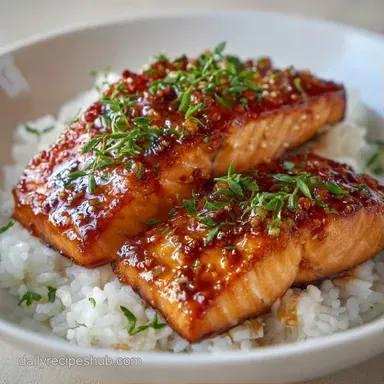
Japanese Salmon Rice Bowl: Honey Soy Glaze
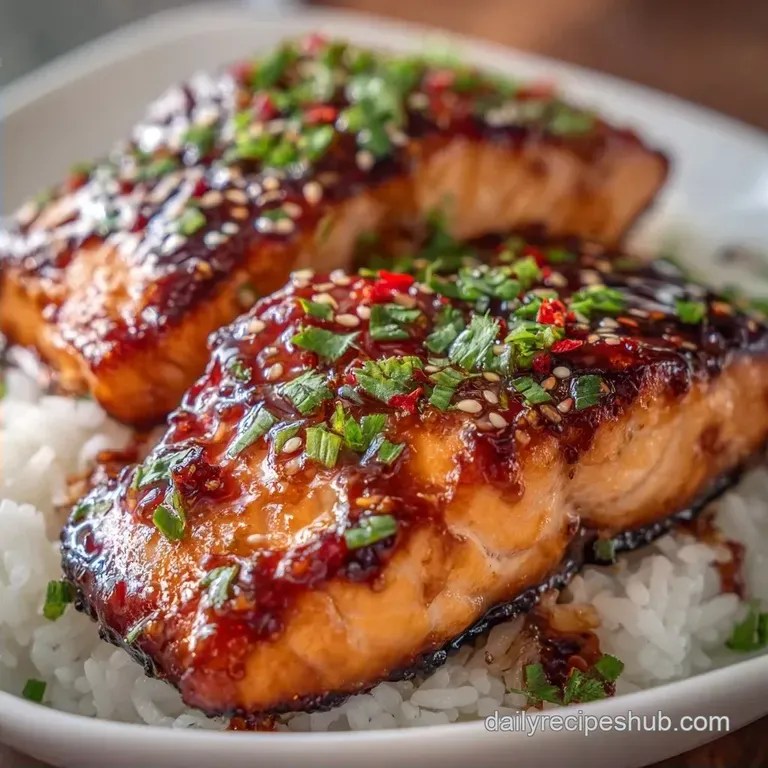
- Time: 15 min active + 15 min cooking
- Flavor/Texture Hook: Mahogany crisp salmon skin with velvety avocado
- Perfect for: A healthy weeknight dinner that feels fancy
That high pitched sizzle is the only sound in my kitchen when the salmon hits the shimmering oil. I remember the first time I tried to replicate this at home; I was too timid with the heat, and the skin just steamed into a soggy mess.
It was frustrating because I wanted that specific, salty sweet crunch you get at a high end spot in Tokyo.
Then I realized the secret isn't a fancy pan, it's just patience and a bit of pressure. Once I stopped poking the fish and let it actually sear, everything changed. Now, this Japanese Salmon Rice Bowl is my go to when I have exactly 30 minutes to get something real on the table.
You can expect a meal that hits every taste bud. The rice is tangy, the fish is rich, and the raw cucumber adds a cold snap that cuts through the fat. It's a straightforward process, but the results feel intentional and polished.
Why This Recipe Works
Getting the balance right in a Japanese Salmon Rice Bowl comes down to a few basic reactions. You aren't just cooking fish; you're managing sugar and moisture.
- Sugar Caramelization: The honey and mirin in the glaze break down under heat, creating a sticky coating that clings to the protein.
- Starch Gelatinization: Using short grain sushi rice allows the grains to stick slightly, which holds the furikake and vinegar in place.
- Acid Balancing: The rice vinegar and fresh cucumber neutralize the richness of the salmon and Kewpie mayo.
- Pressure Searing: Pressing the fillet ensures the skin makes full contact with the pan, creating a uniform crust.
Right then, let's look at how this approach differs from other ways you might prepare salmon and rice. Depending on your schedule, you might want a different flow. If you're in a massive rush, you might prefer my Asian salmon bowl which simplifies some of the searing steps.
| Method | Time | Texture | Best For |
|---|---|---|---|
| Pan Seared (This) | 30 mins | Crispy skin, syrupy glaze | Date night/Quality |
| One Pan | 35 mins | Steamed, cohesive | Easy cleanup |
| air fried | 20 mins | Evenly charred | Hands off cooking |
But if you really want to save on dishes, a one pan salmon rice approach is the way to go.
Ingredient Deep Dive
Not every ingredient here is interchangeable if you want that specific taste. Some items do the heavy lifting for the texture and aroma.
| Ingredient | Science Role | Pro Secret |
|---|---|---|
| Sushi Rice | High Amylopectin | Rinse until water is clear to avoid "mushy" rice |
| Mirin | Sweetness + Acid | Use "Hon Mirin" for a more authentic, less sugary taste |
| Kewpie Mayo | Egg Yolk Density | It uses only yolks, making it creamier than American mayo |
| Furikake | Umami Boost | Add it while the rice is hot so the seaweed softens slightly |
The rice is the foundation. If you use long grain rice, the vinegar won't cling as well, and the bowl will feel disjointed. Stick to the short grain variety to get that cohesive, velvety mouthfeel.
Equipment Needed
You don't need a professional kitchen, but a few specific tools make this a lot easier.
First, a non stick or stainless steel skillet is a must. Stainless steel is better for the sear, but if you're worried about the salmon sticking, non stick is a safe bet. I personally use a heavy bottomed cast iron because it holds the heat consistently, which prevents the fish from dropping in temperature when the cold glaze hits the pan.
For the rice, a standard rice cooker is the gold standard. If you don't have one, a heavy pot with a tight fitting lid works. The goal is to trap the steam. If your lid leaks, you'll end up with unevenly cooked grains, some hard, some overdone.
Finally, grab a fish spatula. The thin edge allows you to get under the salmon skin without tearing it. There's nothing worse than a perfectly seared piece of fish that breaks in half because you used a bulky turner.
From Prep to Plate
Let's get into the actual work. Trust the timing here. If the recipe says sear for a few minutes, don't flip it early just because you're nervous.
Preparing the Base
- Rinse the sushi rice under cold water until the water runs clear. Note: This removes excess surface starch that causes clumping.
- Combine rice and 1 1/4 cups water in a rice cooker or pot and cook until fluffy and tender.
- While the rice is still steaming hot, fold in the rice vinegar and furikake seasoning until evenly distributed. Note: The heat helps the rice absorb the vinegar.
Searing the Salmon
- Pat the salmon fillets completely dry with paper towels. Note: Moisture on the skin prevents a crisp sear.
- Heat neutral oil in a skillet over medium high heat until shimmering.
- Place salmon skin side down in the skillet and press firmly for 30 seconds. Sear until the skin is mahogany colored and crisp.
- Flip the fillets carefully.
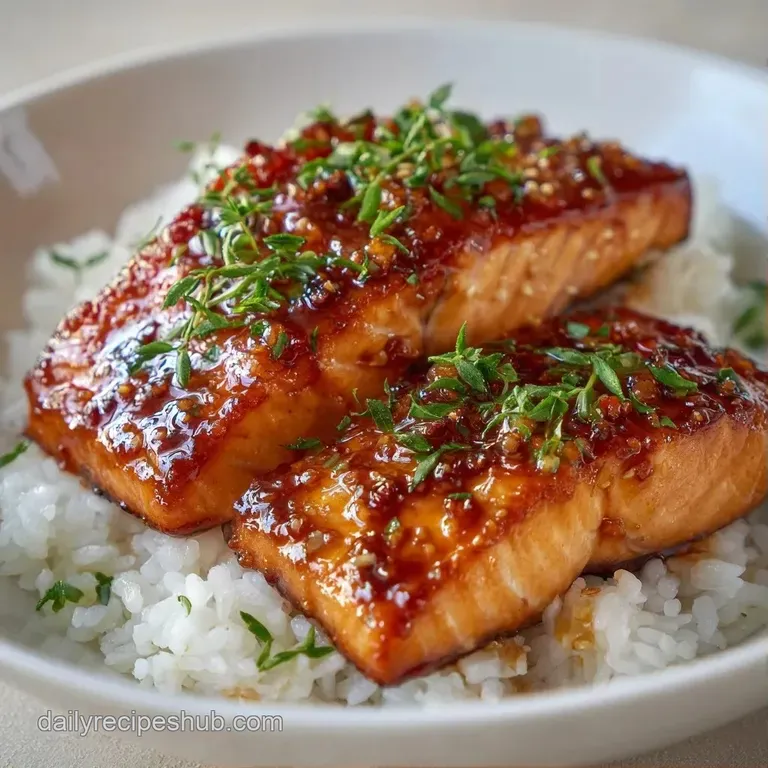
- Pour in the mixture of soy sauce, mirin, honey, and grated ginger. Baste the fish continuously for 2-3 minutes until the sauce reduces to a thick syrup.
Assembling the Bowl
- Divide the seasoned rice into two bowls.
- Place a salmon fillet on top of each.
- Arrange sliced avocado and cucumber around the salmon. Garnish with sliced green onions, a drizzle of Kewpie mayo, and toasted sesame seeds.
Chef Note: When basting the salmon, use a spoon to keep pouring the bubbling sauce over the top of the fillet. This creates a glazed, lacquer like finish rather than just a puddle of sauce at the bottom of the pan.
What Can Go Wrong (and How to Fix It)
Even with a simple Japanese Salmon Rice Bowl, things can slide. Usually, it's a matter of heat management or moisture.
Troubleshooting Common Issues
| Issue | Solution |
|---|---|
| Why Your Salmon Sticks | If your fish clings to the pan, you probably didn't let the oil get hot enough or you flipped it too soon. According to [Serious Eats](https://www.seriouseats. |
| Why Your Glaze Burnt | Honey has a low burn point. If your pan is screaming hot and you pour the glaze in, it can turn bitter and black in seconds. |
| Why Your Rice is Mushy | Too much water or skipping the rinse is usually the culprit. |
Common Mistakes Checklist
- ✓ Didn't pat the salmon dry (leads to steaming, not searing)
- ✓ Flipped the fish too often (prevents the mahogany crust)
- ✓ Added vinegar to cooled rice (vinegar won't absorb properly)
- ✓ Overcooked the salmon (makes the fish dry and chalky)
- ✓ Used low-fat mayo (lacks the richness of Kewpie)
Mix It Up
One of the best things about this Japanese Salmon Rice Bowl is how easy it is to pivot. You don't have to stick to the script if you have different ingredients in the fridge.
Swapping the Protein
If you don't have fresh salmon, you can actually use canned salmon for a budget version. You won't get the crispy skin, but you can still use the glaze. If you go this route, try making crispy canned salmon cakes and placing them over the seasoned rice. For a leaner option, tofu or shrimp work well with the same honey soy glaze.
Adjusting for Diets
For a gluten-free version, simply swap the soy sauce for Tamari or coconut aminos. The taste is almost identical. If you're avoiding sugar, you can use a small amount of maple syrup or a monk fruit sweetener, though the glaze won't be quite as thick.
To make it vegan, use a mushroom based "fish" substitute and vegan mayo.
Bold Flavor Twists
Want more kick? Add a teaspoon of Sriracha or Gochujang to the glaze. It gives the bowl a spicy depth that pairs well with the cool avocado. You can also swap the cucumber for pickled daikon or shredded carrots for a different crunch and a bit more acidity.
| Original Ingredient | Substitute | Why It Works |
|---|---|---|
| Honey (1 tbsp) | Maple Syrup (1 tbsp) | Similar viscosity and sweetness. Note: Adds a slight woody flavor |
| Kewpie Mayo | Greek Yogurt (plain) | Adds tang and protein. Note: Much less rich than mayo |
| Sushi Rice | Quinoa (cooked) | Nutty texture and higher protein. Note: Won't be sticky/cohesive |
Common Misconceptions
Let's clear some things up. There are a few beliefs about Japanese cooking that actually make the process harder than it needs to be.
First, some people think you need a specialized sushi mat or professional grade equipment to make a Japanese Salmon Rice Bowl. That's just not true. This is a "bowl" meal, not a formal sushi roll. A standard skillet and a basic pot are all you need.
Second, there's a myth that salmon must be cooked completely through to be safe. While you should follow USDA guidelines for internal temperatures, salmon is actually much better when it's medium. When you overcook it, the fats leak out, leaving the fish dry.
Aim for a slight translucency in the center for a velvety texture.
Third, people think you have to spend an hour marinating the fish. While marinating adds flavor, the basting method used in this recipe provides a concentrated layer of taste on the outside where it actually hits your tongue first. It's faster and results in a better crust.
Storage Guidelines
If you have leftovers, you have to be strategic. The salmon and the rice behave differently in the fridge.
Store the seasoned rice in an airtight container. It will stay good for about 3-4 days. However, rice tends to harden in the fridge because the starches recrystallize. To fix this, sprinkle a teaspoon of water over the rice before microwaving it for 60 seconds.
The salmon is best eaten fresh, but it can be stored for 2 days. Don't microwave the salmon on high heat, or it'll turn into rubber. Instead, heat it gently in a pan or in the microwave on 50% power.
Zero Waste Tips Don't toss the cucumber ends or the avocado pit. You can use the cucumber scraps in a quick pickle with some of the leftover rice vinegar and a pinch of sugar. If you have extra salmon skin that fell off during the sear, fry it separately until it's like a chip and use it as a garnish.
Also, save any leftover glaze in a small jar, it's great on roasted broccoli or tofu.
How to Serve and Enjoy
Plating is where you can make this Japanese Salmon Rice Bowl feel like a restaurant dish. Start with a wide, shallow bowl. Scoop the rice in first, but don't pack it down; keep it light and airy.
Place the salmon fillet slightly off center. This leaves room for the "garden" of toppings. Arrange your avocado slices in a fan shape and tuck the cucumber slices against the side of the fish. The contrast of the bright green avocado against the deep mahogany salmon is what makes the dish pop visually.
Finish with the Kewpie mayo. Don't just glob it on. Use a squeeze bottle or a small spoon to create thin, zig zagging lines across the top. Sprinkle the toasted sesame seeds and green onions from a height to ensure they cover everything evenly.
For a complete meal, I recommend serving this with a side of miso soup or a simple seaweed salad. If you want a drink, a cold glass of barley tea or a crisp lager complements the saltiness of the glaze.
This dish is all about the contrast, hot fish, cold veggies, tangy rice, so make sure you get a bit of everything in every single bite.
Very High in Sodium
1850 mg 1,850 mg (80% 80% of daily value)
The American Heart Association recommends a daily sodium limit of no more than 2,300 mg, and an ideal limit of no more than 1,500 mg for most adults.
Tips to Reduce Sodium in Your Salmon Bowl
-
Swap Soy Sauce-30%
Replace regular soy sauce with low-sodium soy sauce or coconut aminos, which can significantly lower the salt content of the marinade.
-
Modify Furikake-20%
Reduce the amount of furikake used, or create a homemade version using toasted sesame seeds and crushed nori without added salt.
-
Mayo Alternative-10%
Substitute Kewpie mayo with low-sodium mayonnaise or plain Greek yogurt mixed with a drop of lemon juice.
-
Enhance with Aromatics
Add fresh lime juice or extra grated ginger to the bowl to provide a bright, punchy flavor without adding any sodium.
Recipe FAQs
What is a Japanese salmon rice bowl called?
It is called a Salmon Donburi. "Donburi" is the Japanese term for a bowl of rice topped with fish or meat.
How to make a Japanese salmon rice bowl?
Cook sushi rice, season it with rice vinegar and furikake, and sear salmon fillets skin-side down. Baste the fish with a honey-soy glaze and serve over rice with avocado and cucumber.
What sauce is best for this salmon rice bowl?
A reduction of soy sauce, mirin, honey, and grated ginger. These ingredients create a thick, sweet-savory syrup that glazes the fish during the final minutes of cooking.
Is the salmon rice bowl a healthy meal option?
Yes, it is nutrient-dense. It provides high-quality protein and omega-3s. For a lighter preparation, you can try air fryer salmon as a protein base.
Is it true that you should flip the salmon immediately after placing it in the pan?
No, this is a common misconception. Press the fillet firmly for 30 seconds and sear until the skin is mahogany-colored and crisp to prevent sticking.
How to prevent the glaze from burning in the pan?
Control the pan temperature before adding the sauce. Because honey has a low burn point, adding it to a screaming hot pan can cause the glaze to turn bitter and black.
How to revive leftover sushi rice that has hardened?
Sprinkle a teaspoon of water over the rice. Microwave it for 60 seconds to re-hydrate the recrystallized starches and restore the fluffy texture.
Japanese Salmon Rice Bowl in 30 Minutes